From the Edges — Sensing Soil: Encouraging caring relationships with soil through more-than-human design – By Hanna van Heugten Breurkes
In our ‘From The Edges’ series we feature Aotearoa NZ Academic Design Projects. Our practice as designers can be seen to be explored, pushed and perhaps become something entirely new where it exists at the edges of our practice in the world of academia. Free from the constraints of commercial outcomes and clients, designers explore and challenge existing paradigms.
In this article, we talk with Hanna van Heugten Breurkes about Sensing Soil: Encouraging caring relationships with soil through more-than-human design, a Master of Design project from Massey University exploring how design can foster deeper connections with the living world beneath our feet.
What’s your background?
I grew up on the outskirts of Ōtautahi, Christchurch, suburbia on one side of the house and farmland on the other. I spent my time playing outside in our garden and the surrounding fields. I have Dutch heritage and moved to Wellington in 2020 to study a Bachelor of Visual Communication Design at Massey University. In my honours year, I designed an interactive book about native invertebrates of Aotearoa. This book helped me to realise my passion for illustration and science communication. At the end of my third year, I started working at Toi Āria, Design for Public Good which is a research cluster also based in Toi Rauwhārangi the College of Creative Arts at Massey. Here, I have practiced design, illustration, science communication, community engagement and research.
What goals and aspirations do you have for the future?
I would like to continue learning and growing my science communication skills. I want to share my love and care for the natural world and encourage this care in others too. A dream I have is to one day do field observation work and then communicate what I learned to others through visuals. I believe that seeing something with my own eyes and experiencing it with my other senses means that I can better communicate it to others.
When did you first learn about your area of specialty? What about it piqued your interest?
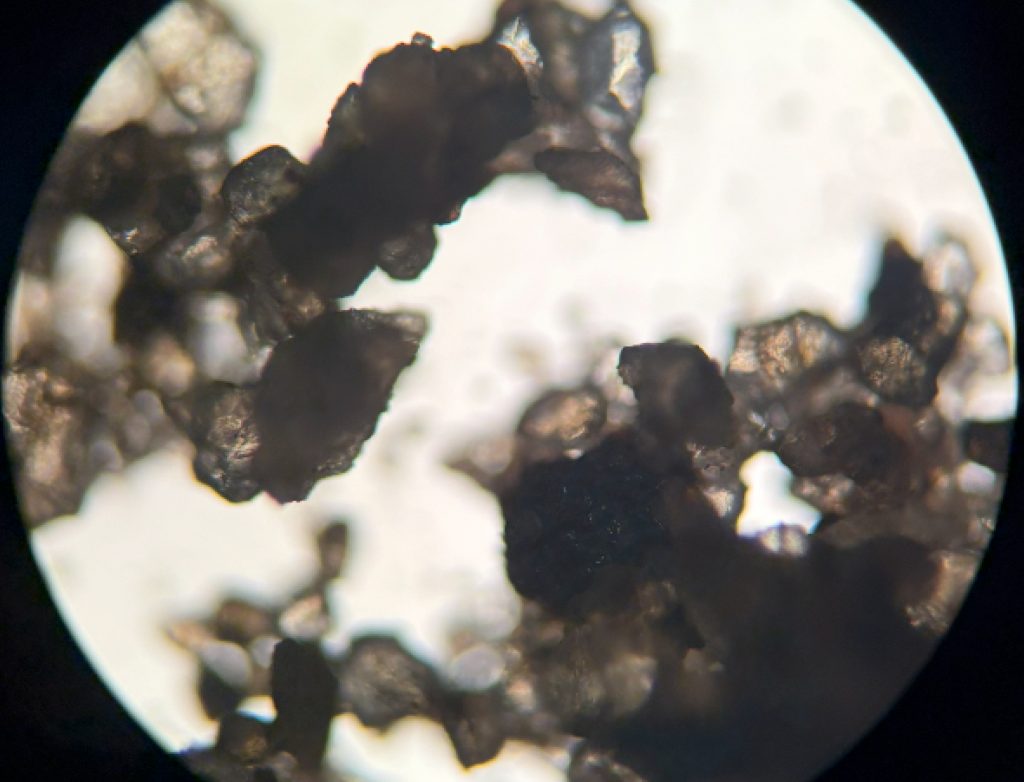
I had not had much experience with soil in a design context before I began my master’s. Aside from a few words and illustrations involving soil in my honours project Unearthed, my only existing work that engaged with soil was my participation in Ka Mua, Ka Muri, a celebration of stories of hope and resilience for the one year anniversary of cyclone Gabrielle in Tairāwhiti Gisborne in February of 2023. Here, I collaborated with a soil scientist in creating an interactive installation. Videos of microscopic soil beings were projected onto branches and the walls of a storage cupboard, transforming this into a mini gallery space, providing viewers a sense of being transported under soil.
The more I learned about soil, the more interesting I found it. From an untrained eye, soil can look dull or lifeless and many might see it as inert matter. But soil is complex, animate, multispecies and living kin who is made of organic matter, rock particles, air, water and other beings. Soil is in your backyard, under your fingernails and beneath the pavement. Your own body is a host to microorganisms who are members of the same food chain and ecosystem. Soil is relevant to everyone and a taonga with both whakapapa and mana.
What’s the background of your current project?
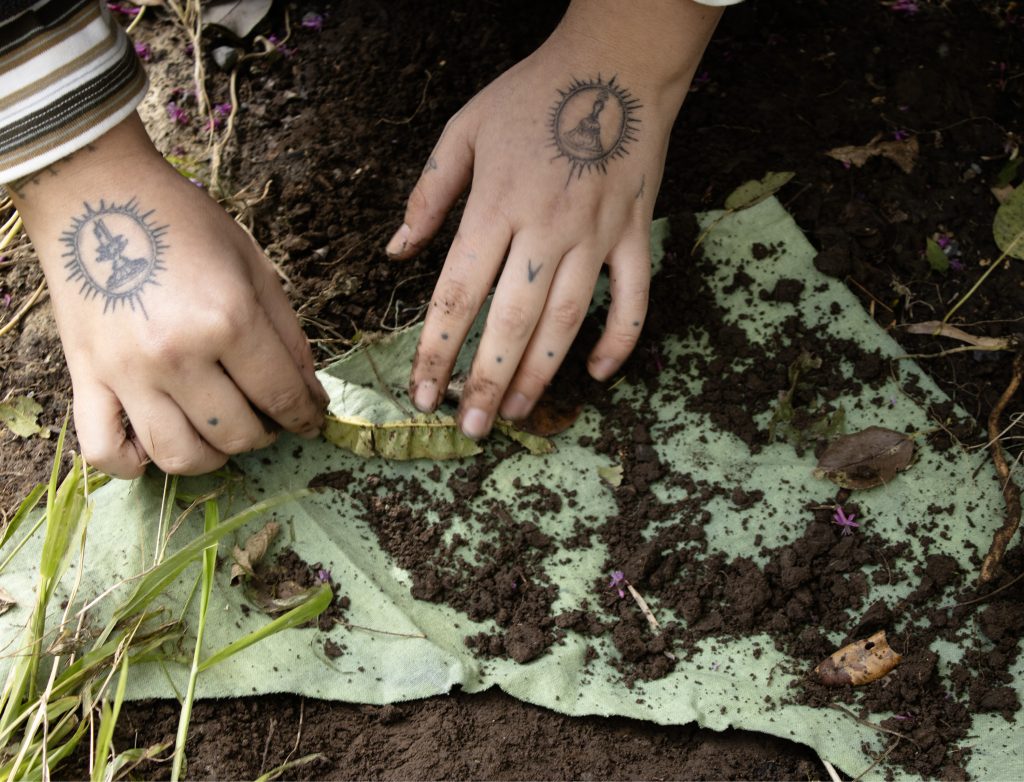
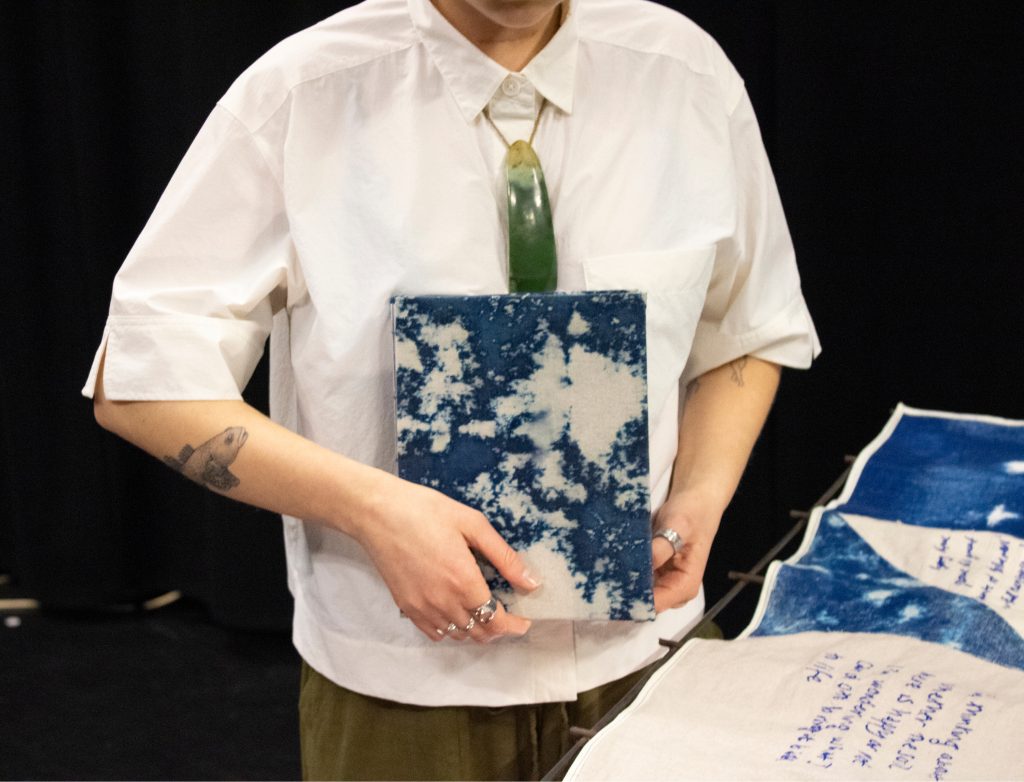
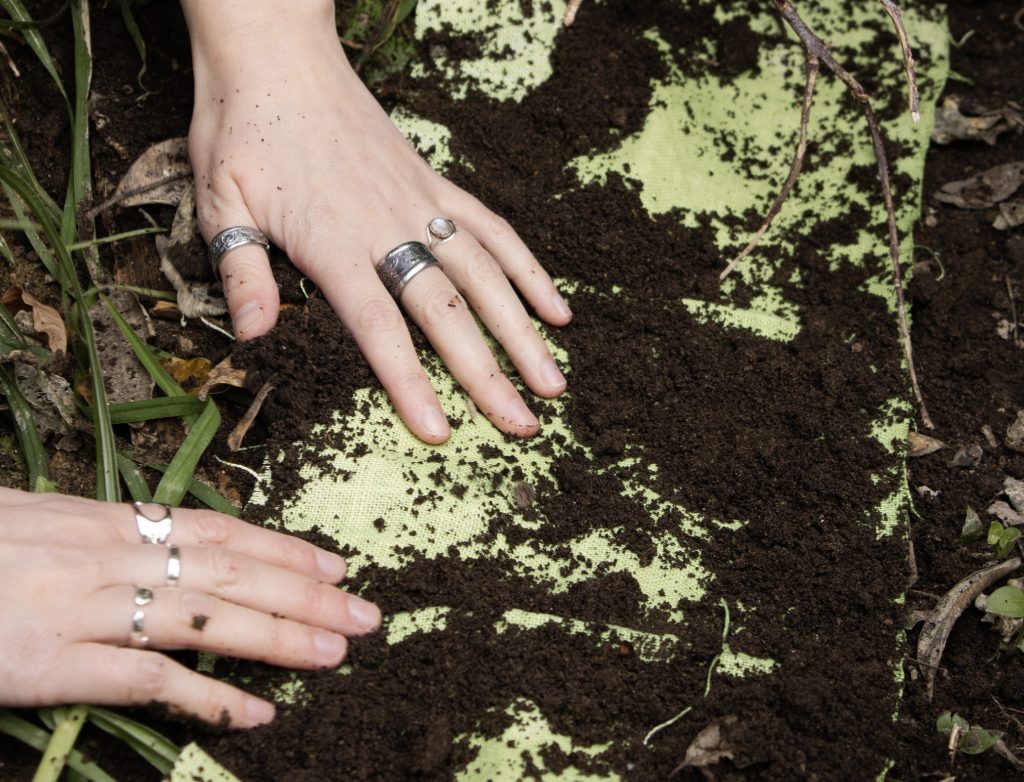
The goal of my master’s was to explore how more-than-human design might encourage caring relationships between people and soil. The method for the research involved a range of exploratory designed encounters with soil including microscopy, cyanotypes and participatory Attentive Encounters with soil, with 38 participants in total. These encounters encouraged sensory attentiveness and encouraged people to see themselves as part of a living and multispecies community that includes soil.
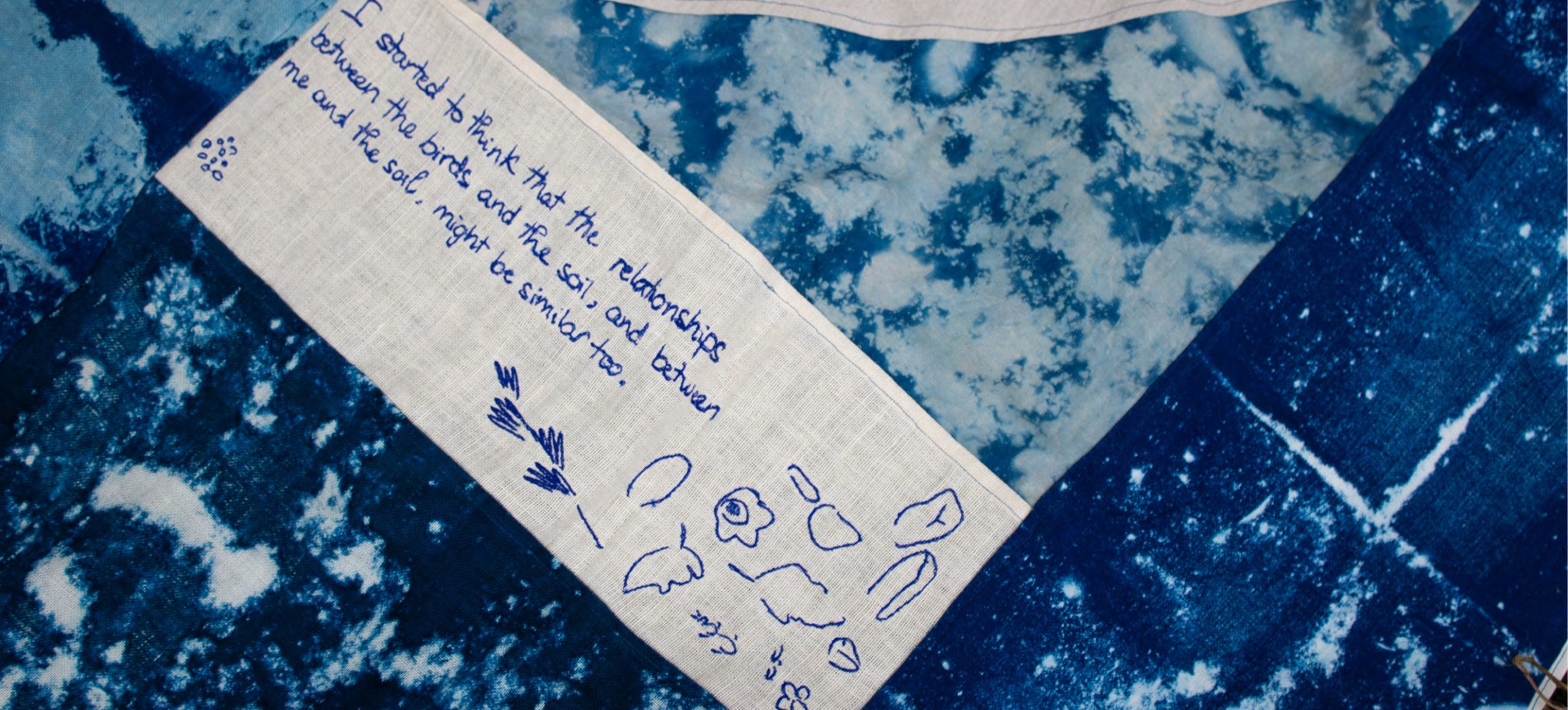
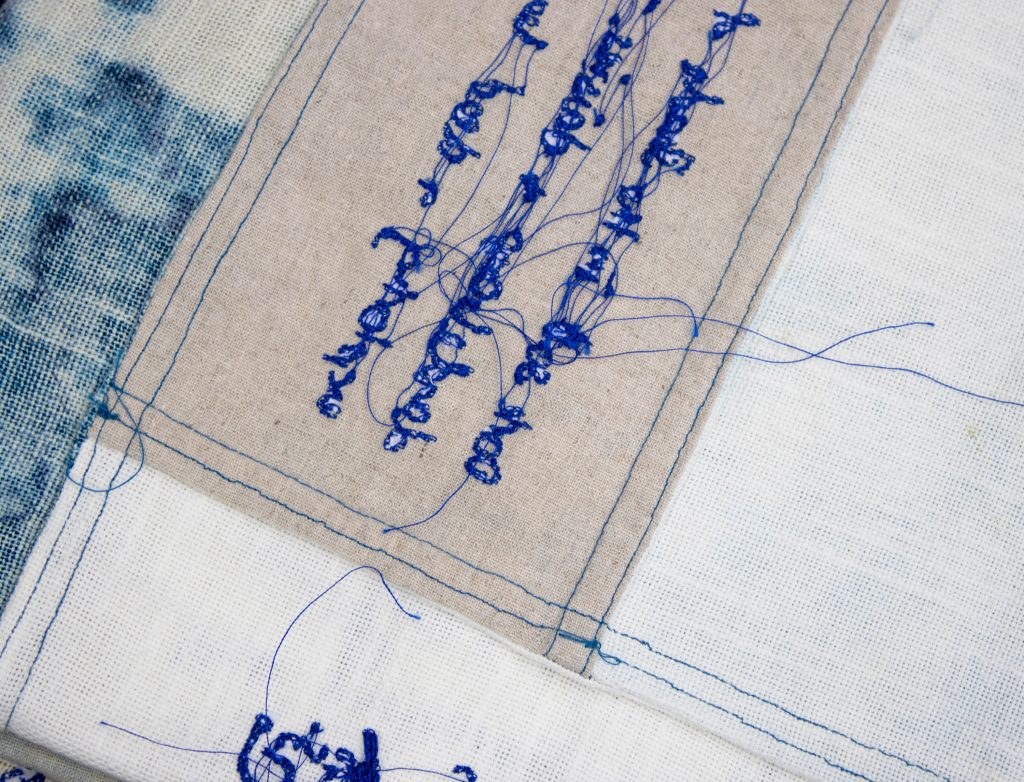
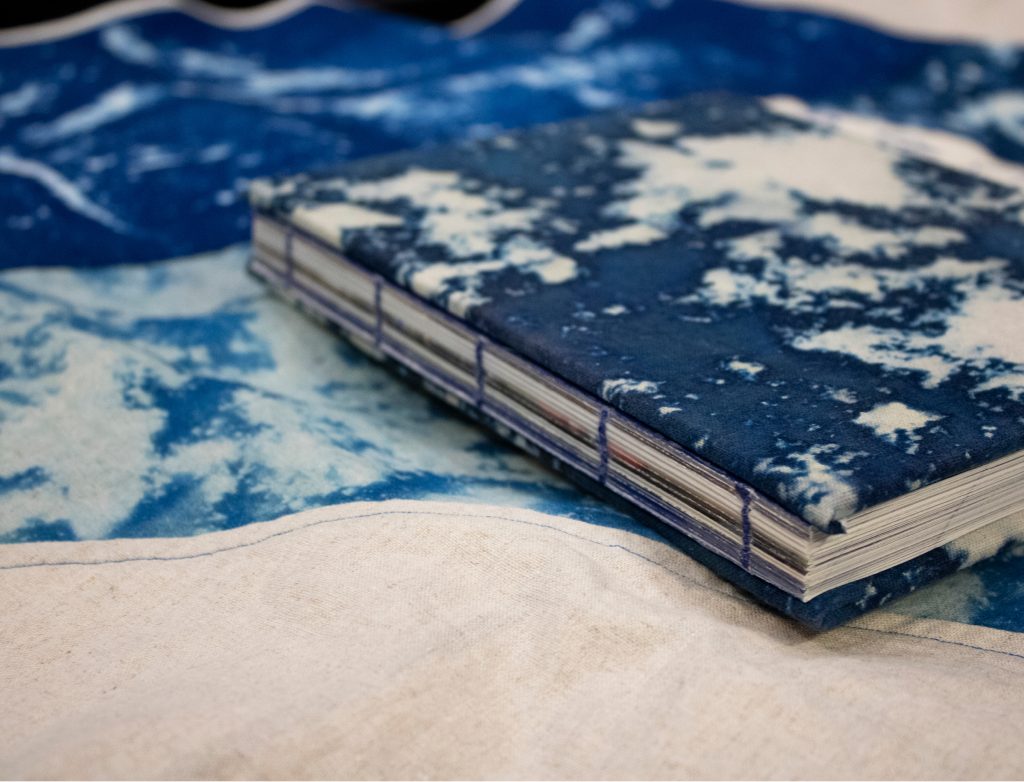
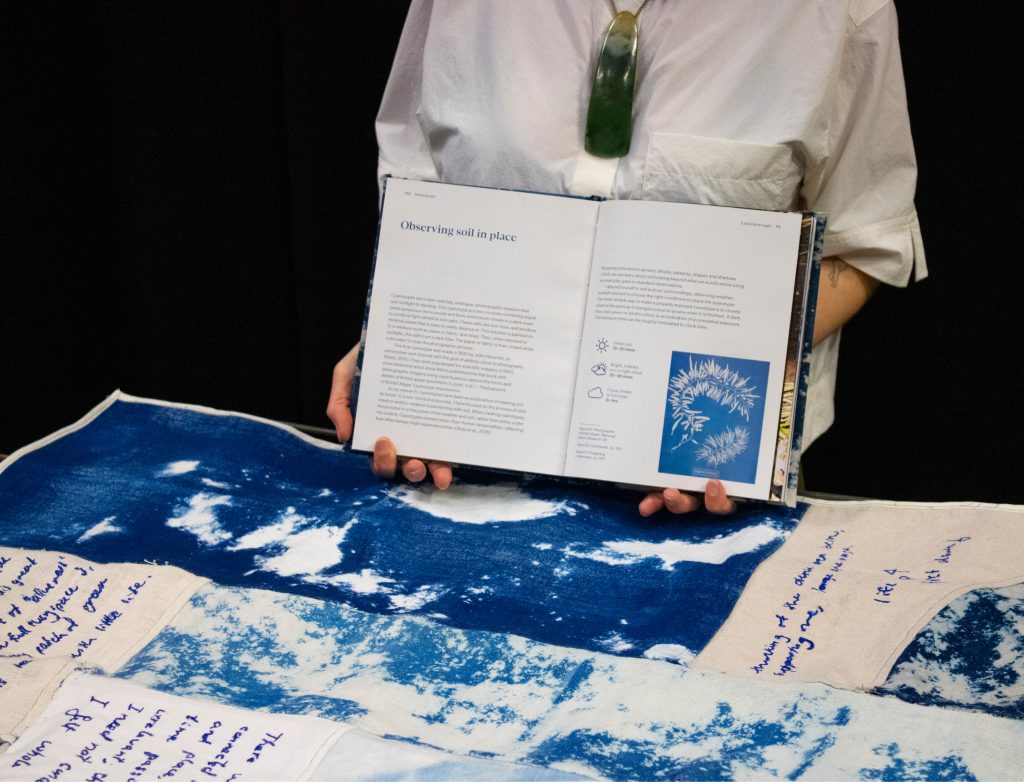
A final output of my research was a tapestry, crafted in collaboration with contributors, soil and myself. Handwritten reflections have been embroidered into panels to capture contributor experiences with soil. The tapestry is also made of cyanotypes, created by contributors in partnership with soil. Throughout the process, contributors paid close attention to their senses, how they interacted with soil and attuned themselves to the environment around them to select the best conditions for making a cyanotype.
There was also a strong ethical element to the project, built as I continued to strengthen my understanding of more-than-human design, indigenous practices and perspectives and what kinds of impacts colonisation has had on soil. To align with my own personal ethics, I structured a more-than-human design ethical framework of three commitments: non-extractive and non-exploitative approaches, positioning humans among other beings rather than above them and thoughtful and protracted observation. By following these commitments, I acted with care and respect while exploring my relationship with soil and how I might encourage a more caring relationship with soil for others as well.
What were the catalysts/inspirations for undertaking post-grad and this particular project?
I had often expected that I would do my master’s. I love to learn and research, and I love the freedom of a big project that I can take down whatever path I like. I have been inspired by others in my life who have completed their master’s before me, and by other people in my community that I aspire to learn from.
Through my work at Toi Āria, I gained experience in science communication and design research. In one memorable project, I worked with researchers and scientists from Te Pūnaha Matatini, a centre of complex systems research excellence to develop the Foundations of Complex Systems series, a collection of written and illustrated publications exploring collaborative storytelling and science communication to explain complex systems to laypersons. Through this collaboration, I met Dr Emma Sharp, a soil expert, funder and supervisor of my master’s.
I knew that I loved design to encourage conservation and connection with te taiao, and this project felt like the perfect step into widening my practice. Soil is complex, animate, multispecies and living kin who is made of organic matter, rock particles, air water and other beings. Soil cares for us by growing food, cycling oxygen, decomposing organic waste and much more, and we have a responsibility to show care in return. For my master’s project, I wanted to extend my work from facilitating a connection, to focussing specifically on care.
What insight can you give us into your design process?
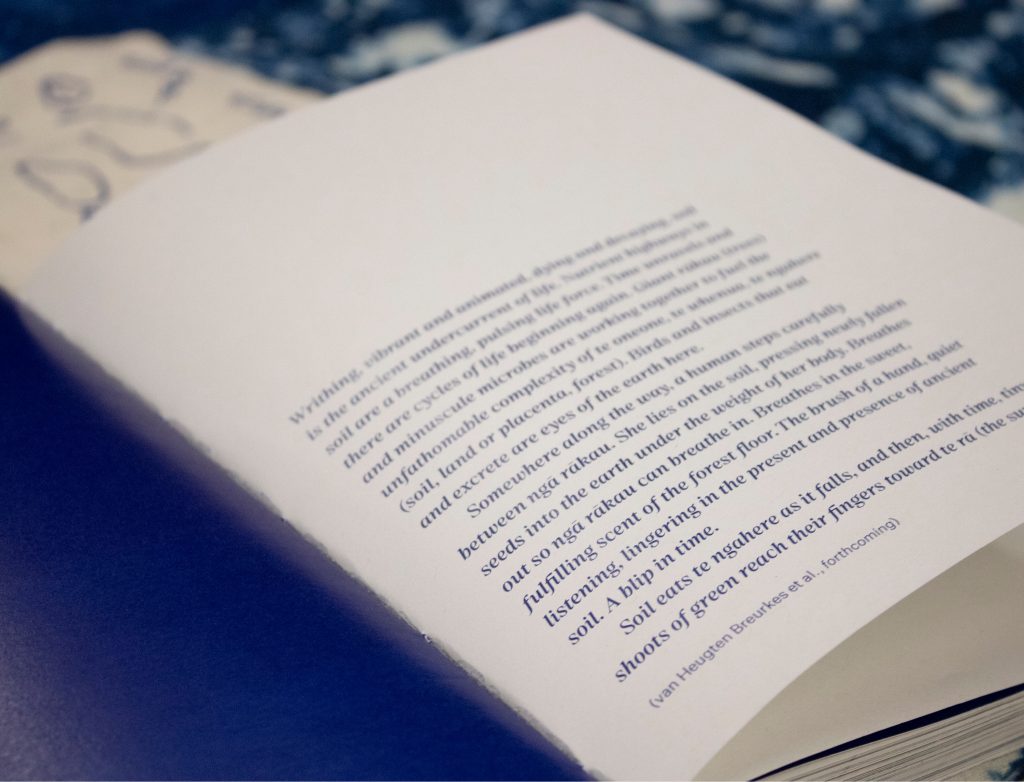
My process tends to be different for every project I undertake, but for this project specifically it was very exploratory. To encourage care for soil, I first needed to understand my own relationship with soil and what that was like. I did this through exploring soil using my senses and recording my experiences through written reflections, illustration, photographs and video. Alongside this, I also learned about the globalisation of extractive relationships with soil and where these might have come from. I was learning continuously throughout my master’s, and learning through practice and exploration was essential for me.
How has post-grad study impacted your design practice?
I would say it had not only impacted my practice, but fundamentally changed it. Undertaking a project with little guidance or structure taught me to trust myself and my thoughts. After having completed this project, I feel much more confident and more like yes, I do belong in this space and have something to offer. I also feel that my understanding of design and what design is has broadened.
Why did you choose this particular program/university/qualification?
As an undergraduate student and staff member at Massey University on the Wellington campus, it was a no-brainer for me to choose to study at Toi Rauwhārangi the College of Creative Arts. I have loved all my study at Massey, and it feels like a place where I have roots grounded in the college and its people. I also know many people in my community who have studied a master of design, all with amazing projects and who are still doing incredible work. My master’s supervisors were also my colleagues, and I feel that the existing trust and relationships I had meant I could push my work further and explore in ways I may not have been able to otherwise.
Socials
hannabreurkes@gmail.com
Website
Instagram
LinkedIn
Toi Rauwhārangi Massey University