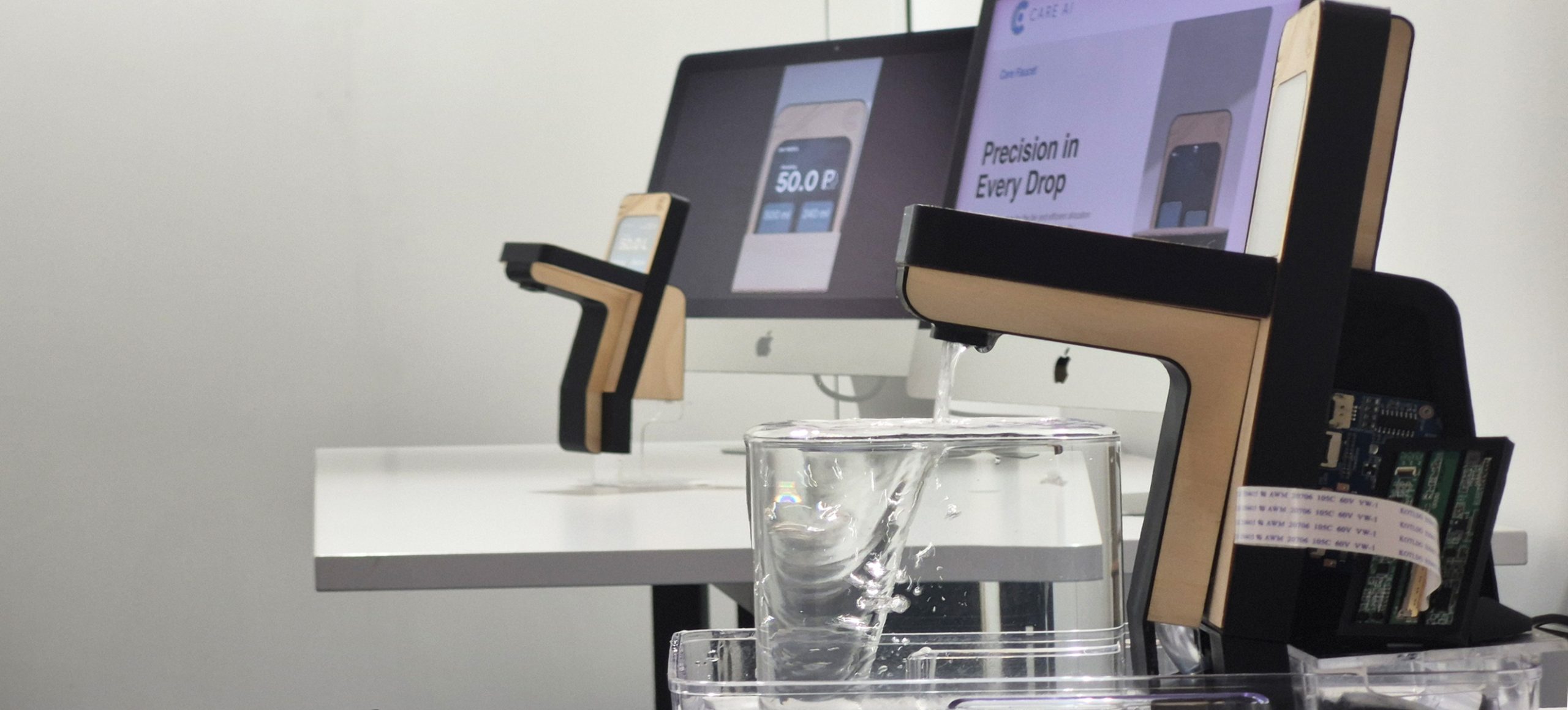
From the Edges — Care67 – By Alvaro Franco Obregon Guerra
In our ‘From The Edges’ series we feature Aotearoa NZ Academic Design Projects. Our practice as designers can be seen to be explored, pushed and perhaps become something entirely new where it exists at the edges of our practice in the world of academia. Free from the constraints of commercial outcomes and clients, designers explore and challenge existing paradigms.
In this article, we talk with Alvaro Franco Obregon Guerra about CARE67: Speculative Infrastructures of Access and Control, a speculative design project from the Master of Design programme at Media Design School at Strayer. Exploring the intersection of emerging technologies, access to essential resources, and the systems that shape our daily lives, CARE67 invites us to question what our future could look like.
What’s your background?
I have always been driven by a combination of creativity, technology, and storytelling, along with a strong willingness to pursue opportunities across different fields and countries. I’m Originally from Argentina and Uruguay, I have worked as a Graphic Designer, Illustrator, 3D Artist, and Technical Artist across a wide range of projects, always approaching them from a creative perspective.
Driven by a desire to learn more and challenge myself, I moved back to New Zealand, an environment I had experienced before and fallen in love with, and enrolled in the Master of Design program at Media Design School. Here, I have focused on exploring the relationship between emerging technologies, society, and speculative design through projects that combine research, storytelling, and interactive experiences.
Today, I continue working at the intersection of creativity and technology, combining industry experience with academic research. My goal is to create meaningful experiences that not only engage people but also encourage them to think critically about the future and the systems that shape our lives.
Who is your favourite designer/creative/artist and why?
It’s hard to choose just one, but I’ll try to narrow it down. I would say Hayao Miyazaki, Jim Henson, Wes Anderson, and Katsuhiro Otomo.
I think I can group them together because of the way they combine strong imagination with compelling narratives, storytelling, and beautifully crafted worlds. Their work demonstrates an incredible ability to create distinctive visual experiences while remaining deeply connected to human perspectives, emotions, and relationships.
What goals and aspirations do you have for the future?
If I had to outline my next steps, I would like to establish myself within New Zealand’s creative industry, particularly in games, film, or other creative technology fields. I want to gain experience, collaborate with talented people, and continue learning from professionals working in these industries.
In the longer term, I hope to apply that experience to developing my own narrative-driven projects, combining storytelling, design, and emerging technologies to create meaningful experiences for audiences.
Eventually, I would like to return to an academic environment with a broader range of professional and creative experience. One of my aspirations is to support and mentor new creatives, helping them develop their skills, discover their own voices, and find confidence in the stories they want to tell.
When did you first learn about your area of specialty? What about it piqued your interest?
I would say that my area of specialty is 3D design. I was first introduced to it through my passion for films and video games, where I became fascinated by the process of creating worlds, characters, and experiences that people could connect with.
Later I realised that what motivated me most was not the visual side alone, but the ideas and experiences behind it. This led me toward storytelling, world-building, and eventually speculative design. During my Master’s studies, I discovered a practice that allowed me to explore how social, cultural, and technological changes might shape everyday life.
I am particularly interested in examining the relationship between emerging technologies and society, using creative projects to explore possible futures, raise questions, and encourage people to reflect on the systems and trends that influence their lives.
What’s the background of your current project?
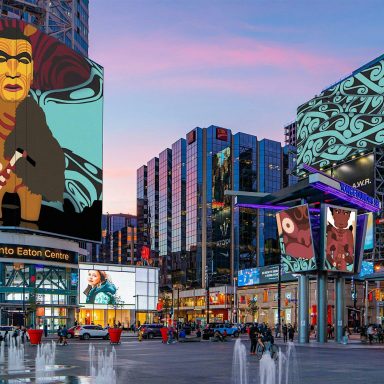
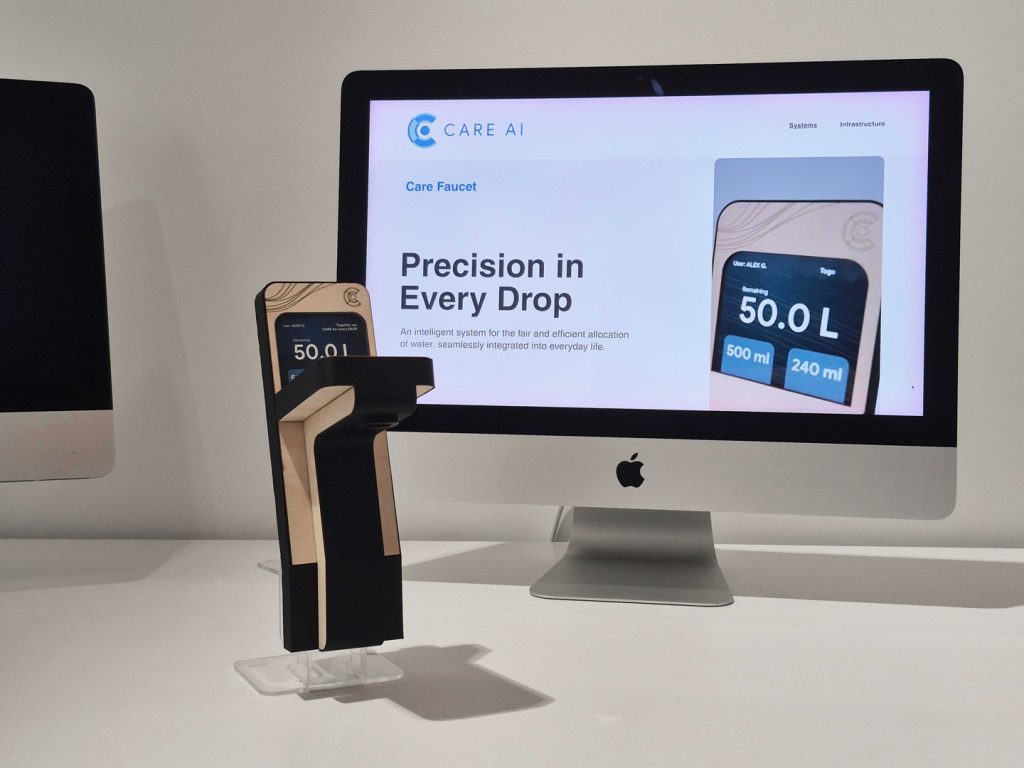
CARE67: Speculative Infrastructures of Access and Control, was developed as part of my Master of Design studies at Media Design School. The project explores a near-future scenario in which essential resources such as water are distributed through intelligent infrastructure managed by powerful corporate systems. Rather than presenting a distant science-fiction world, I wanted to create something that felt familiar and plausible, encouraging people to reflect on how current technological, economic, and social trends might develop over time.
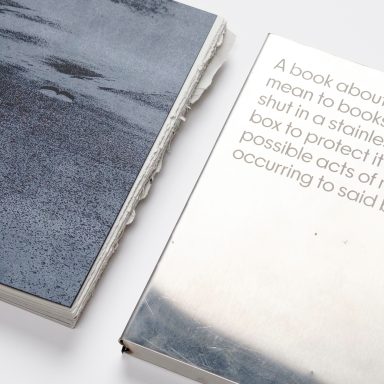
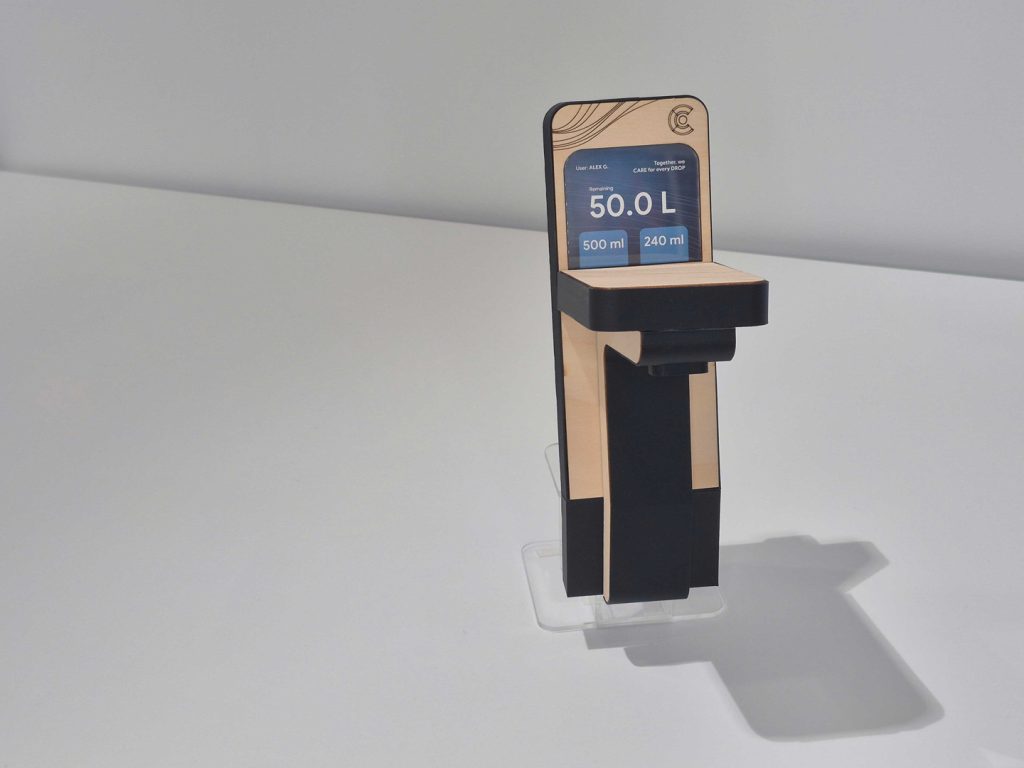
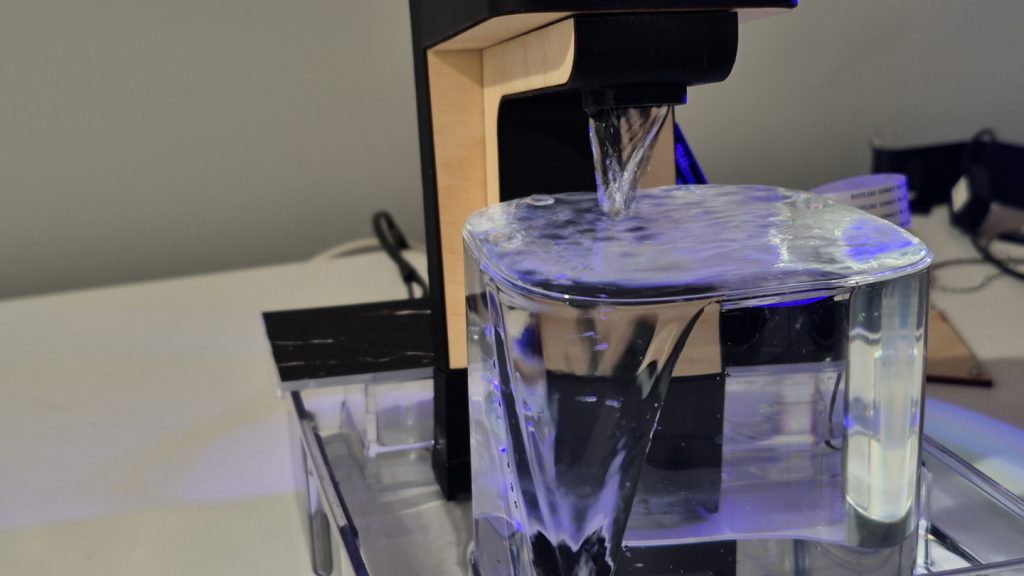
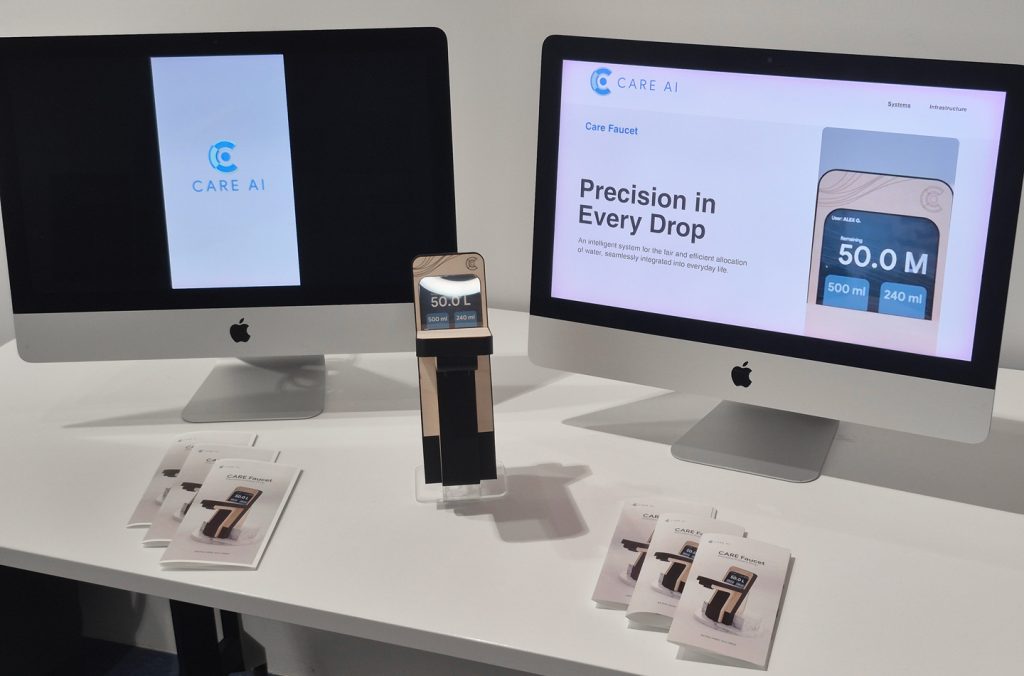
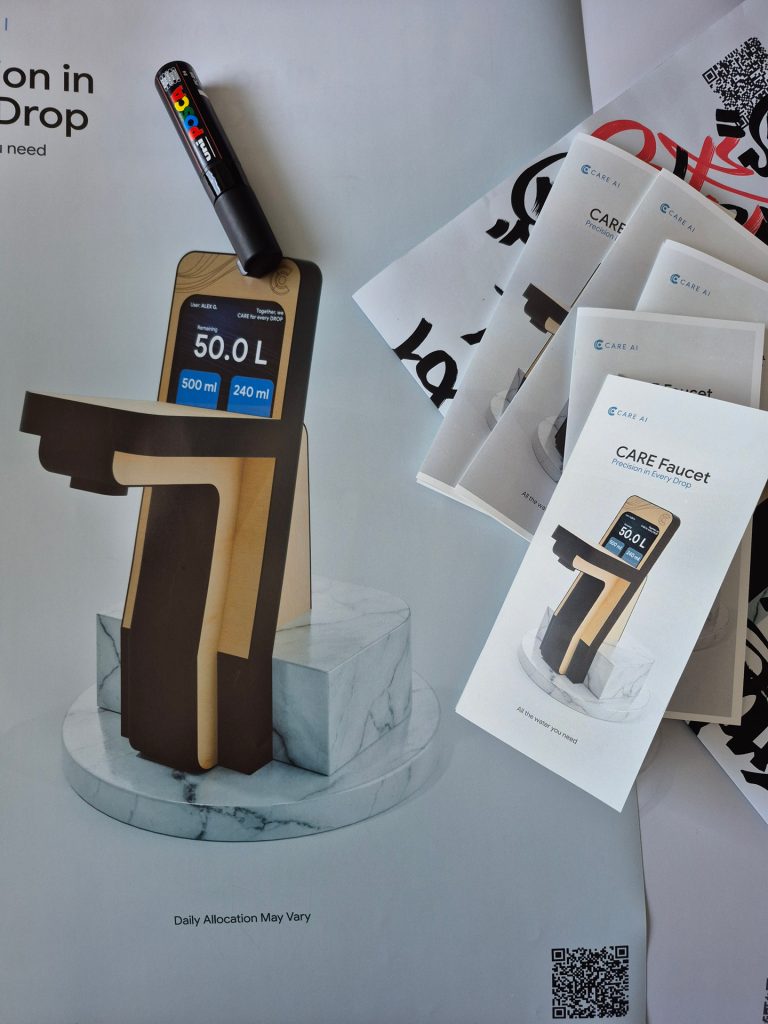
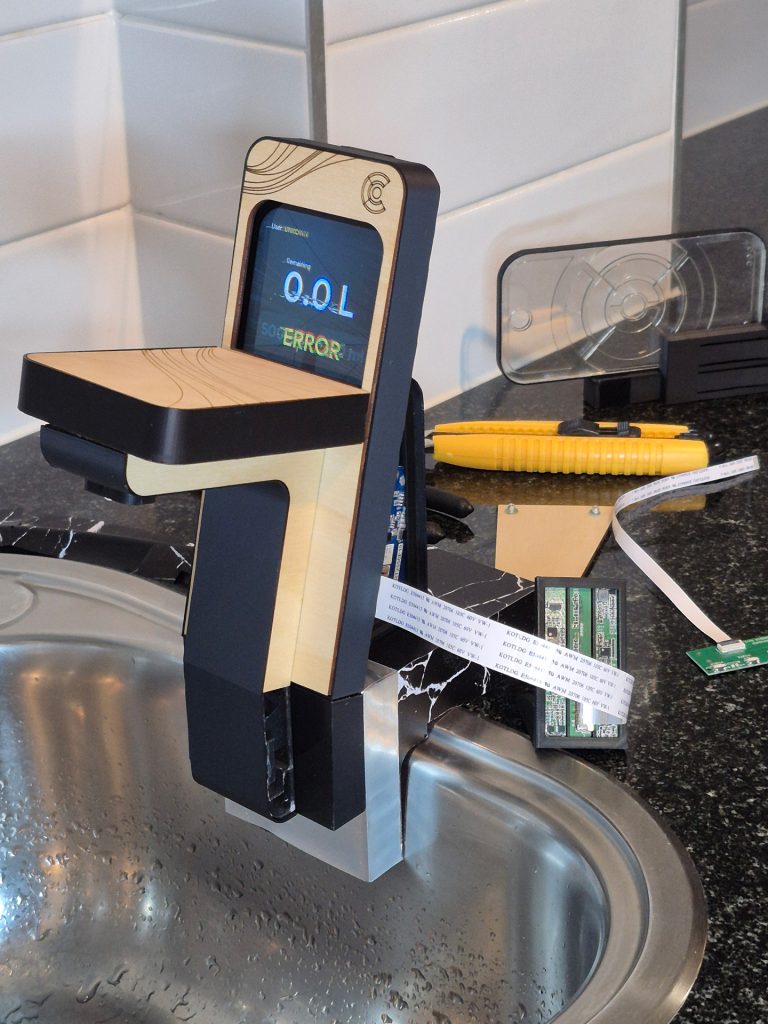
In response to the brief, I focused on combining speculative design, storytelling, and physical artefacts to create an experience that people could engage with directly. The project included a corporate product called the Care Faucet, a connected device that allocates water through identity verification and automated quotas, as well as a parallel narrative involving 67MODS, an informal network that modifies these systems to regain access and autonomy. Through these contrasting perspectives, the project explored themes of access, control, adaptation, and dependence on technological infrastructure.
One of the biggest challenges was finding the right focus. Early in the process, I explored many different themes and futures, but through research, feedback, and iteration I realised that concentrating on a single everyday resource would create a stronger and more relatable experience. Water became a powerful lens through which to discuss broader questions about technology, governance, and power.
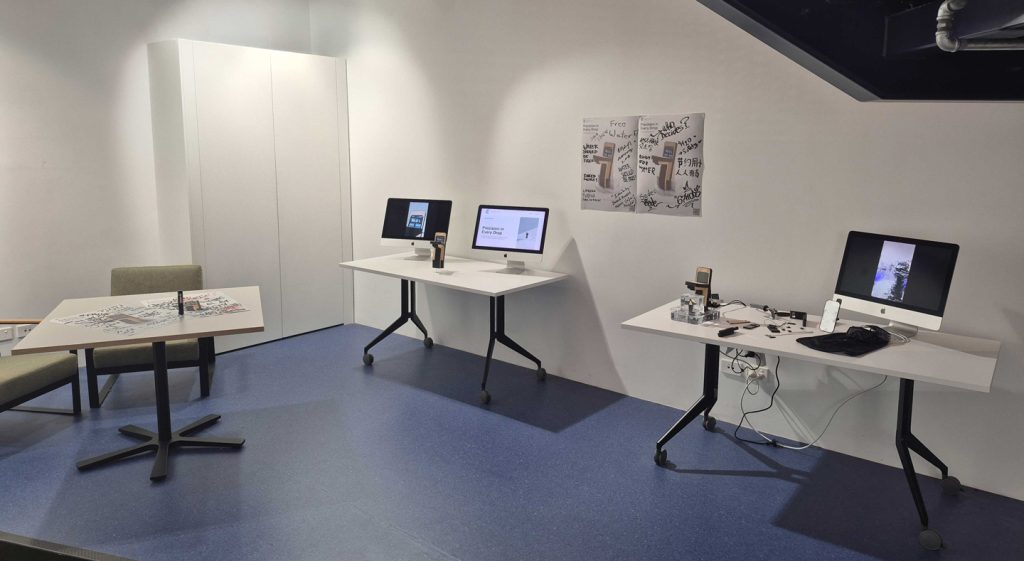
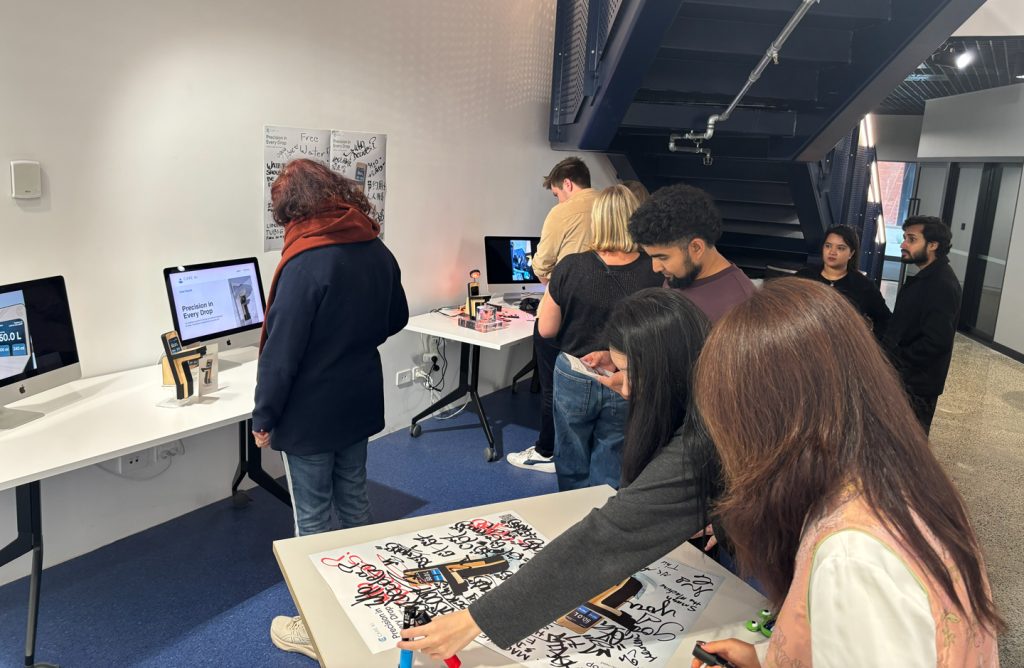
The most interesting aspect of the project was seeing how people responded to it during the exhibition. Many visitors initially viewed the system as useful or efficient, but their perspective often changed as they discovered the restrictions and implications behind it. Watching those reactions reinforced my belief that design can be a powerful tool for encouraging reflection and creating conversations about the futures we may be building today.
What were the catalysts/inspirations for undertaking post-grad and this particular project?
Mostly a desire to expand my perspective beyond professional practice. I wanted the opportunity to explore bigger questions, challenge my assumptions, and develop a deeper understanding of how design can be used to investigate complex social and technological issues.
The inspiration for this particular project emerged from a growing interest in the rapid development of artificial intelligence, automation, and large-scale technological systems. While much of the public conversation focuses on innovation and convenience, I became increasingly interested in the infrastructure, incentives, and power structures that exist behind these technologies, as well as their potential impact on individuals and society.
Through my research, I found myself drawn to questions of access, dependency, and control. Water became a powerful way to explore these themes because it is both essential to human life and increasingly connected to broader environmental, political, and technological challenges. The project allowed me to combine many of my interests, storytelling, world-building, technology, and speculative design, into a single experience that encourages people to reflect on the future and the systems that shape it.
What insight can you give us into your design process?
I would say that my design process is driven by curiosity and exploration. It usually starts with a subject, question, or trend that captures my attention. From there, I spend time researching, reading, collecting references, and trying to understand different perspectives before deciding where to focus my efforts.
One of the most valuable lessons from my Master’s studies was learning the importance of defining a clear direction. I naturally tend to explore many ideas at once, so developing a process that helps me identify what is most relevant to a project has been incredibly useful. Once that focus is established, I move between research, experimentation, prototyping, and reflection, allowing the project to evolve through iteration and feedback.
Storytelling is often the thread that connects my work, regardless of the medium. Whether I am working in 3D design, speculative design, or interactive experiences, I am interested in creating something that people can connect with, interpret, and reflect upon. Rather than trying to provide definitive answers, I aim to create experiences that encourage curiosity, conversation, and new ways of looking at familiar subjects.
Through your post-grad research have you made any interesting or unexpected discoveries or insights that you can share with us?
Many of the scenarios explored in CARE67 were not driven by new technologies, but by existing systems and incentives pushed a little further. That shifted my attention away from the technology itself and toward the structures, decisions, and interests behind it.
During the exhibition, I also noticed that people often accepted the system when they focused on its efficiency, but questioned it once they experienced its restrictions. Seeing that change in perception highlighted how design can help people engage with complex issues in a more immediate and personal way.
What has been the most challenging part of your research thus far? How did you overcome it, or are you still working to resolve it?
Finding the right focus. I am naturally curious and tend to explore many directions at once, which made it difficult at times to decide what the project should ultimately be about.
Over time, research, feedback, and iteration helped me identify the core questions that interested me most. Learning to narrow the scope without losing the complexity of the subject became an important part of the process.
How has post-grad study impacted your design practice?
Before starting the Master’s, I was primarily focused on creating outcomes. Through research, experimentation, and reflection, I learned to spend more time understanding why I am designing something and what questions it is trying to explore.
It also expanded my perspective on what design can be. I became more comfortable working with uncertainty, exploring complex topics, and using design as a way to investigate ideas rather than simply solve problems.
Most importantly, it gave me the confidence to trust my own voice, interests, and approach, while developing a stronger connection between my professional practice and the subjects I care about.
Why did you choose this particular program/university/qualification?
I had wanted to study at Media Design School for years. New Zealand’s strong reputation for creativity and storytelling was already a major draw for me, and MDS stood out for its practical approach, industry connections, and creative environment.
The program gave me the freedom to explore subjects that genuinely interested me while challenging me to think more deeply about the role of design in society and the future.
Contact details and socials
Alvaro, alfraog@gmail.com, 0211274897
Website
LinkedIn
Linktree
Artstation
Media Design School