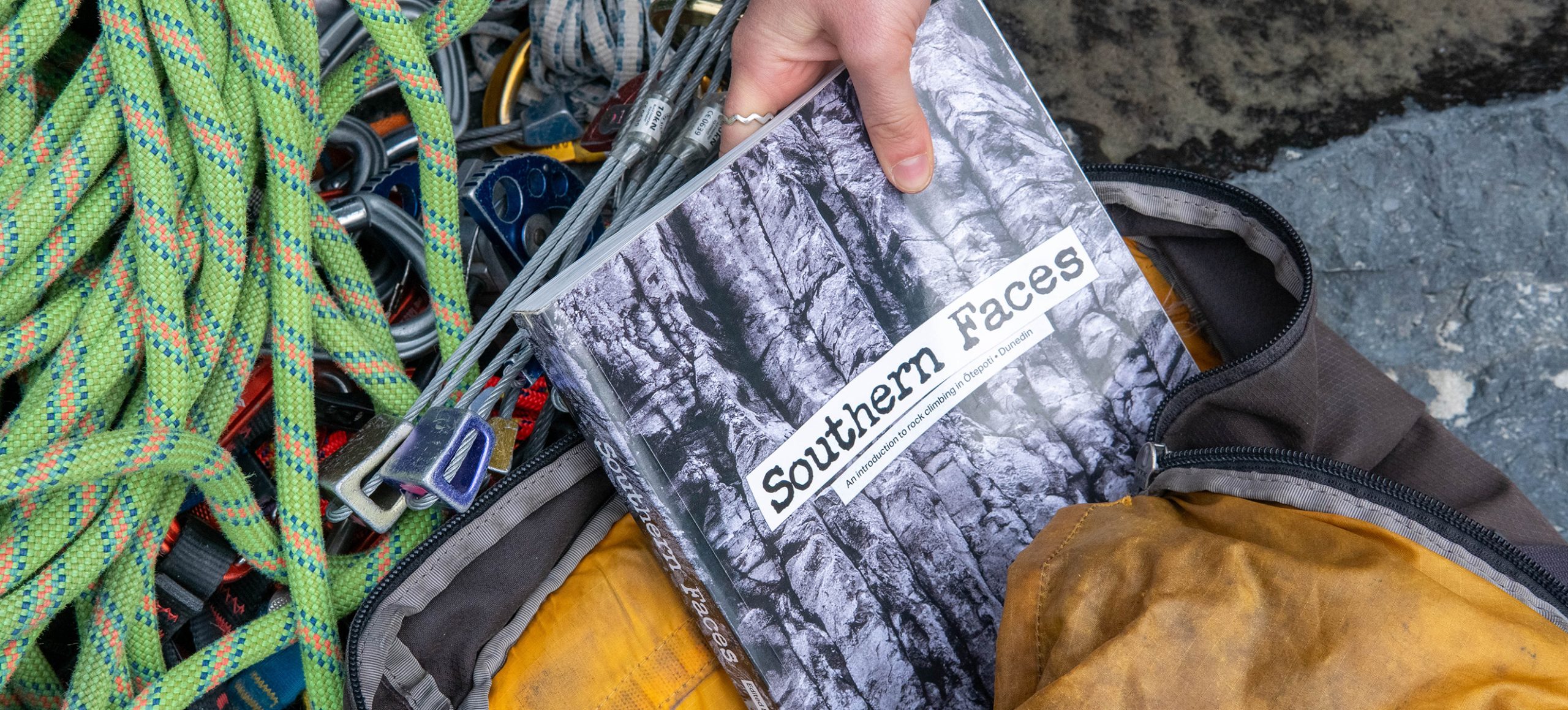
From the Edges — Southern Faces: an Introduction to rock climbing in Ōtepoti Dunedin – By Riley Smith
In our ‘From The Edges’ series we feature Aotearoa NZ Academic Design Projects. Our practice as designers can be seen to be explored, pushed and perhaps become something entirely new where it exists at the edges of our practice in the world of academia. Free from the constraints of commercial outcomes and clients, designers explore and challenge existing paradigms.
In this article, we talk with Riley Smith about Southern Faces, an honours project at Otago Polytechnic exploring how design can reconnect people with place, community, and the landscapes that shape us through the creation of a unique climbing guidebook for Ōtepoti Dunedin.
What’s your background?
Growing up in Ōtepoti Dunedin, I was introduced to rock climbing by my dad at age 10. What started as a weekend hobby quickly became a lifelong passion – not just for the sport, but for the amazing places I did not know existed. The crags (cliffs) around Ōtepoti are wild, varied and full of character – places we all return to again and again, not just to climb, but to connect with nature, people and ourselves.
While studying communication design at Otago Polytechnic, I began exploring how to adapt my creative practice to best support the people and places I care about. Southern Faces is an output from that learning journey – a way to merge worlds and to share some of the stories embedded in the community and landscape that I am lucky to have grown up within.
Who is your favourite designer/creative/artist and why?
I’m biased, I know, but the designer I admire most is my colleague Mick Abbott, founder of WildLab! What strikes me most isn’t just his career, which spans many diverse design disciplines, or his vast network of collaborators across Aotearoa and beyond. It’s the life spent in the outdoors that inspires it all. From a 130 day solo traverse of the South Island’s main divide to three decades restoring native forest above Otago Harbour, that connection to nature runs straight through his work. Mick has a new book coming out in August called Designing with Nature, it has I highly recommend any designer in Aotearoa to pick it up!
What goals and aspirations do you have for the future?
I aspire to continue exploring design’s great potential for creating positive impact not only at a societal level in Aotearoa New Zealand, but also in my own day-to-day life. In the future, I hope to continue integrating new skills to help fuel prolific work, while finding ways to work on complex design projects alongside leading an exciting personal lifestyle.
When did you first learn about your area of specialty? What about it piqued your interest?
My focus has been on finding ways to adapt my process that allows me to explore new avenues of design with other creatives and project partners. I’ve found this approach to be deeply linked to collaboration and building relationships with others, and the resulting projects do not stand upon any particular skill of one person alone.
More than anything, I’m grateful that this perspective has sprouted many exciting opportunities and meaningful relationships. From communication design projects to product, landscape architecture, print, creating experiences and more; the one underlying language of design we all speak underpins it all. This piqued my interest because it allows my life outside of the studio to be an important source of new ideas, energy and passion.
What’s the background of your current project?
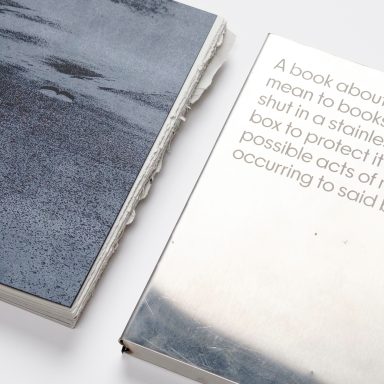
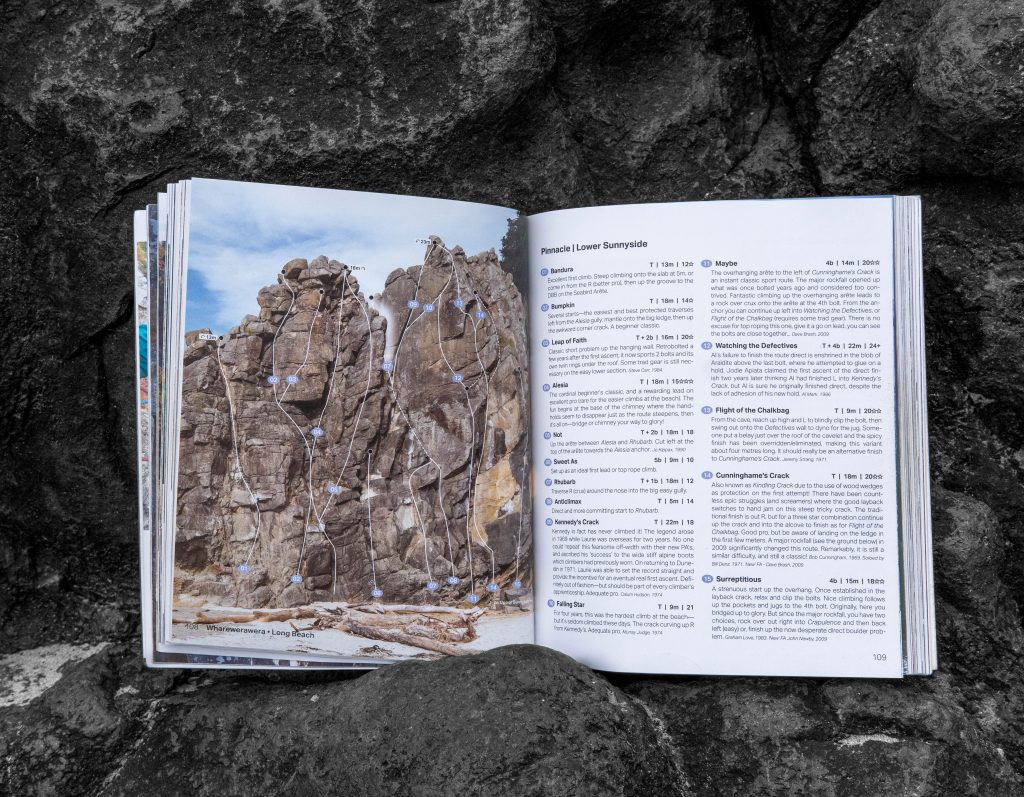
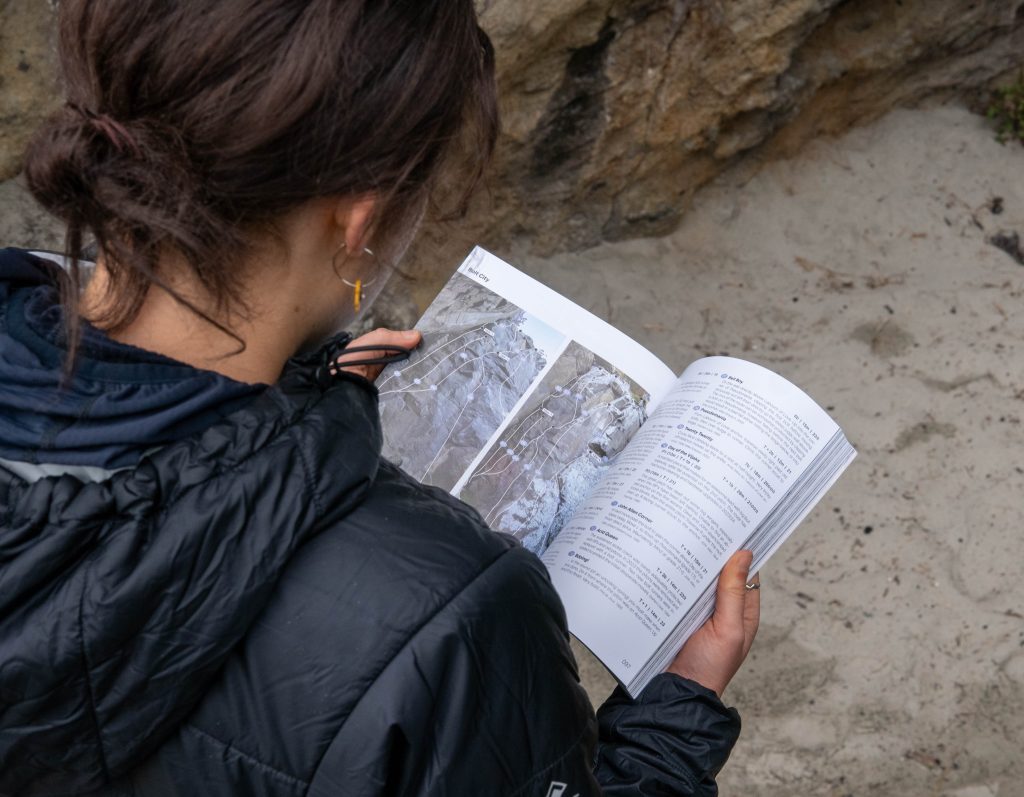
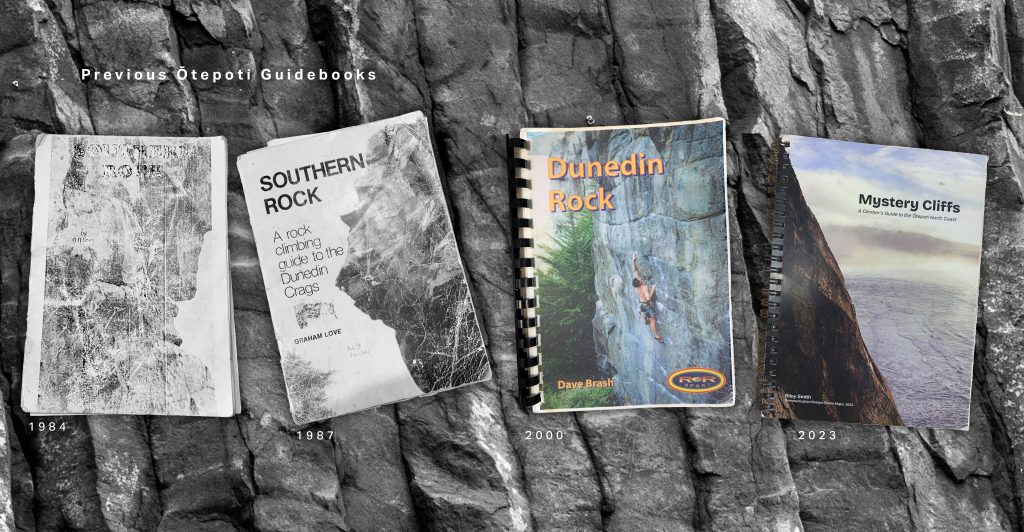
Southern Faces emerged from a desire to reconnect people – with each other, with rock climbing and with the land. For 25 years, Ōtepoti Dunedin had lacked a climbing guidebook. But this absence presented a unique opportunity: to create more than a technical manual. How could a printed publication unveil Dunedin’s climbing landscapes in a way that celebrated their beauty, history and deep cultural significance?
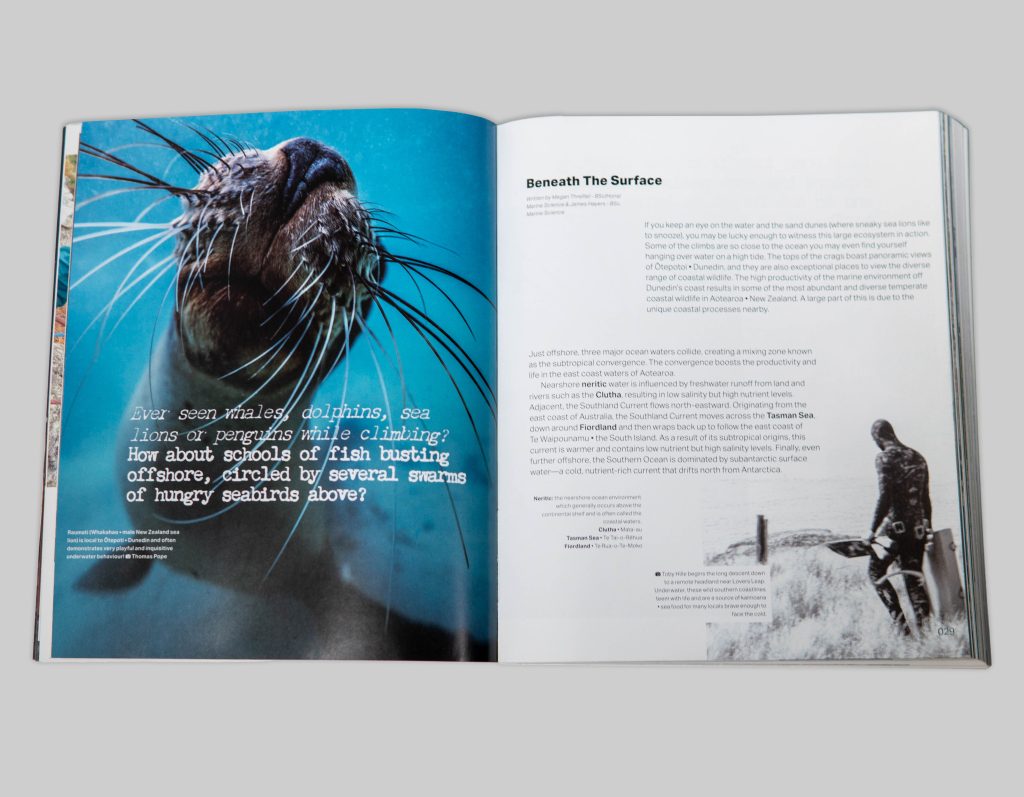
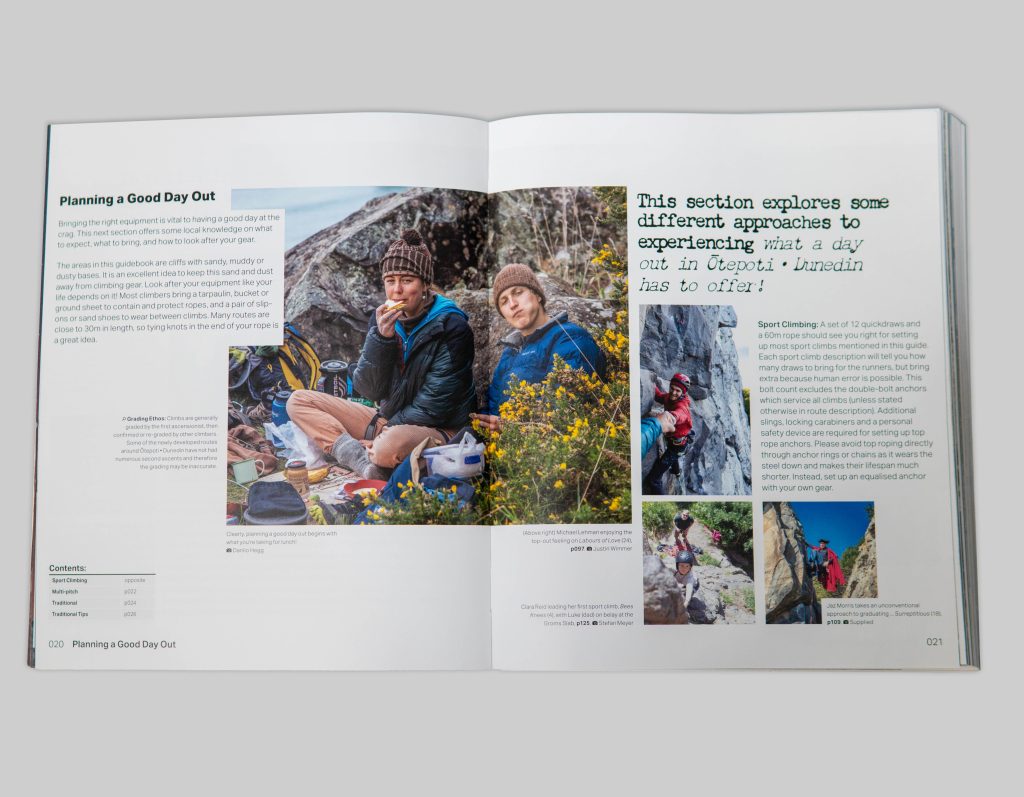
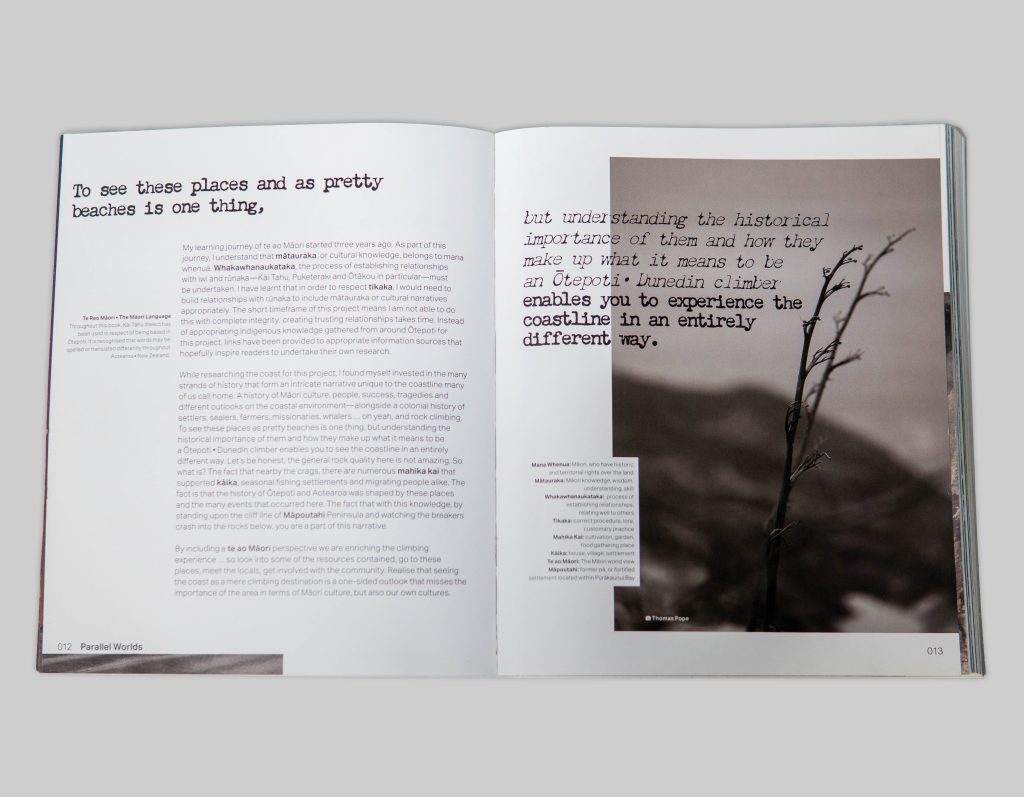
A big part of the challenge was accessibility – making a book that works for experienced climbers, newcomers and even people who’ve never climbed but care about local history, conservation or the outdoors. It goes beyond how-to instruction, encouraging readers to think about their own role in the landscape. Over two years, the book brought together a wide mix of contributors: climbers, Kāi Tahu mana whenua, scientists, artists, photographers and community members to help define the local voice of southern people.
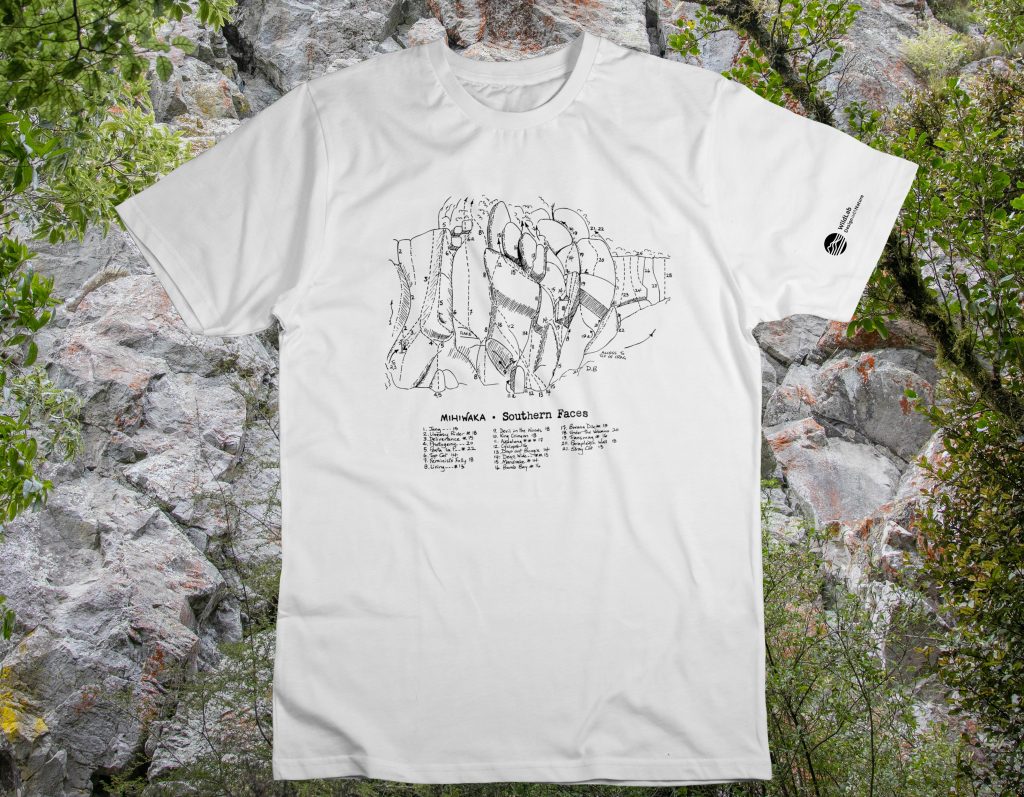
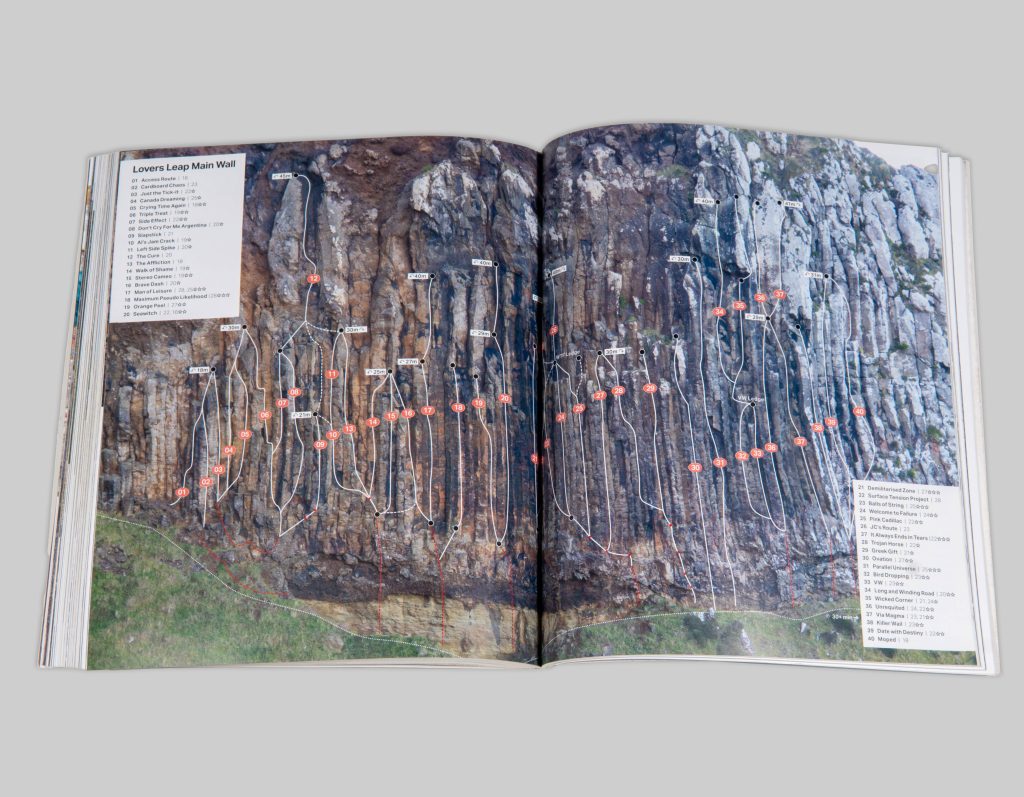
Rather than following the standard guidebook formats or defaulting to digital, the decision was made to create full-scale print publication that would feel as much like an art book as a practical guide. This hybrid approach allowed the team to integrate climbing route information with essays, maps, archival images and original illustrations – making it equally at home in a backpack or on a coffee table.
What were the catalysts/inspirations for undertaking post-grad and this particular project?
In my third year of undergrad, I created a test version of a Dunedin climbing guidebook as my major project. Rather than publishing it outright, I gave copies to the community members who’d helped shape it, so they could test the ideas and information over the following summer. My hope was to carry the project into honours and turn it into a full-scale print publication.
That plan shifted early on, when my supervisor Mick Abbott offered a different way of thinking about the year. He explained that spending several months on a single project wasn’t the best use of the degree, and helped me redefine my scope; Southern Faces would be completed in full within three months, freeing up the rest of the year for design-based research projects, which I reflected on and wrote about in my thesis. This fundamentally changed how I operated as a designer, opening up new ideas through hands-on experience and reflection.
What insight can you give us into your design process?
My process starts by stepping back from my own instincts and preferences – as tempting as it is to lean on personal style, I’ve learned it can quietly stand in for real thinking if I’m not careful. With Southern Faces, that meant staying close to the community throughout, rather than working in isolation and presenting a finished idea at the end. I’d test concepts, get feedback, and let that shape the next decision, so the book grew out of collective input rather than a single creative direction. That collaboration wasn’t just about being inclusive – it genuinely shaped the outcome in ways I couldn’t have reached alone. For me, process is less about following a fixed method and more about staying deliberate at every stage, so that the final result reflects sustained, conscious decisions rather than one lucky outcome. This outlook has continued to inform my practice to this day.
Through your post-grad research have you made any interesting or unexpected discoveries or insights that you can share with us?
One of the most interesting things I discovered was something I couldn’t have known until the guidebook was actually out in the world: would it really connect the community and meet the goals we’d set for it? The answer turned out to be yes. That said, this book is designed for a very specific corner of the climbing world, so I wouldn’t assume the same approach would translate directly elsewhere.
What surprised me most was the launch event itself. Over 200 people showed up, crossing boundaries between climbing, conservation, education and creative practice. It became a celebration not just of the book, but of a community that felt genuinely interconnected. That sense of collaboration and shared storytelling has helped build local pride and a collective sense of guardianship over the landscape – which, honestly, felt like the real success of the project.
What has been the most challenging part of your research thus far? How did you overcome it, or are you still working to resolve it?
The hardest part of my research was not being obsessed by it! Due to the projects falling within passionate areas of my life, it was hard not to be all-consumed by it. Reflecting on this two years later, I feel lucky to have been able to dedicate so much time and energy into the research and those projects. They set up a really good foundation for me to continue growing. I still struggle to let go of exciting projects!
How has post-grad study impacted your design practice?
Massively. I was tutored by WildLab founder Mick Abbott during my honours year – a connection that later led me to join the team. WildLab is a group of designers and researchers united by a single focus: working for and with nature. Spanning landscape, architecture, strategy, communication, product and interaction design, they collaborate with community groups, iwi, farmers, businesses and government agencies to create regenerative landscapes, experiences and tools that deepen people’s connection to te taiao.
Being part of that world has changed how I approach a project from the outset. I’ve learned to slow down at the start – spending more time understanding a place, its people, and its history before jumping to design solutions. Working alongside landscape architects and researchers has also pushed me to think beyond the page: to consider how a design decision plays out spatially, culturally, or ecologically, not just visually. And collaborating across such different disciplines has made me a better communicator – working with complex environmental and cultural information without losing what makes it meaningful.
The shift from designing for an audience, to designing with a community, has become the baseline of my practice. It’s something I carry into every project now.
Why did you choose this particular program/university/qualification?
I chose Otago Polytechnic because of the people and the environment they created around learning. From early on, I thrived in the creative and dynamic space of the Communication Design department, and I gained so much from working alongside my lecturers – I honestly can’t recommend them enough. OP gave me the room to experiment, build new skills, and test ideas in a genuinely supportive environment, and that openness led to opportunities I’m still grateful for.
What stood out most was how connected the departments were. If a communication design student wanted to explore laser cutting or sewing, for instance, that curiosity was encouraged rather than boxed in by discipline. That kind of flexibility meant my learning never felt limited to one narrow skill set – it let me pull in perspectives from architecture, art, and beyond, which shaped how I approach design to this day.
Being surrounded by a community that valued experimentation, collaboration and real-world application was exactly the environment Otago Polytechnic has set up.
Your Team
This was a collaborative project between myself, other Aotearoa based creatives and and the wider southern climbing community. Thanks also to WildLab, the New Zealand Alpine Club, Tūpiki Trust and Otago Polytechnic.
Socials
Website
LinkedIn
Instagram @riiiileysmith_
Otago Polyechnic
WildLab