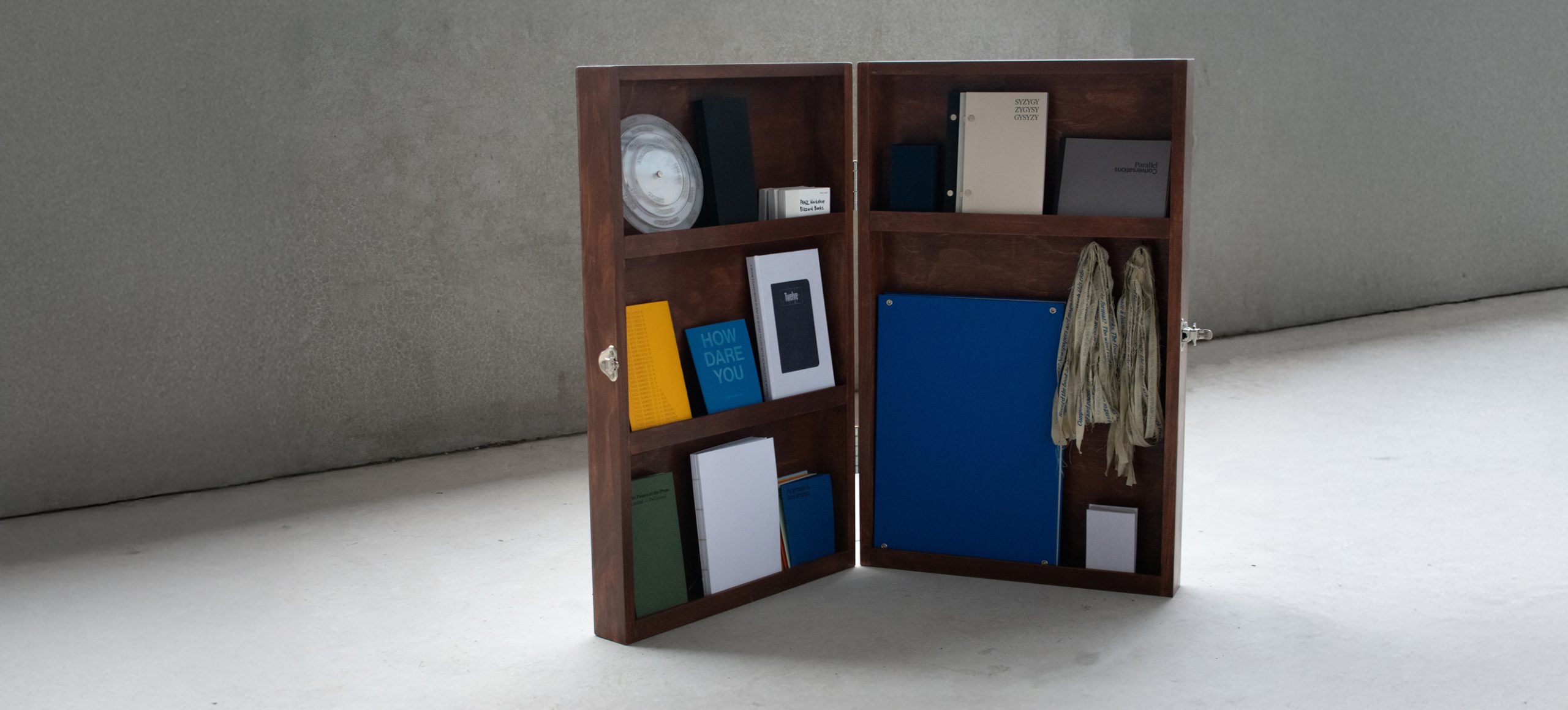
From the Edges — What Is It, If It Is Not This? – By Thomas Cumming
In our ‘From The Edges’ series we feature Aotearoa NZ Academic Design Projects. Our practice as designers can be seen to be explored, pushed and perhaps become something entirely new where it exists at the edges of our practice in the world of academia. Free from the constraints of commercial outcomes and clients, designers explore and challenge existing paradigms.
In this article, we talk with Thomas Cumming about his Master’s project on ‘What Is It, If It Is Not This?.
The brief
Originally from Christchurch, I moved to Pōneke in 2018 to begin my undergraduate studies towards a Bachelor of Design, majoring in Visual Communication, at Toi Rauwhārangi — College of Creative Arts. Wellington is now my home, where I have spent time working in the design industry. Unexpectedly, though, I had the chance to spend the last few years working at Toi Rauwhārangi in various capacities, predominantly as a tutor. I thoroughly enjoyed my time as a student, and so being able to return to that environment to further contribute to it has been very fulfilling.
The Design Response
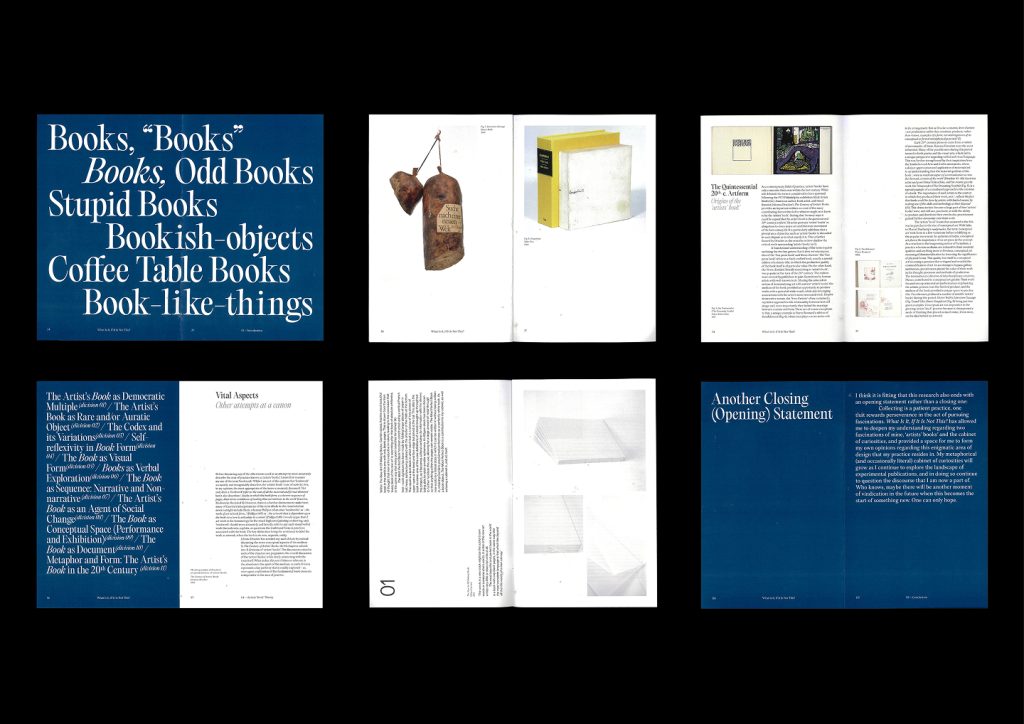
An ‘artists’ book’ refers to the format and structure of a book when used to convey artistic expression, rather than merely acting as a container for written content. As a contemporary practice, the development of ‘artists’ books’ encompasses a wide range of material qualities and conventions, resulting in many and varied book and ‘book-like’ formats. However, there is a significant dissonance regarding the terminology used to describe such work, and, as a book designer with an interest in experimental publications, I’ve found myself producing work that could be considered a part of this practice.
Cabinets of curiosities were 16th century European proto-museums and encyclopaedic curatorial devices. The nature of these arrangements provided a unique conceptual framework regarding taxonomies, objects of wonder, and personal sense-making to examine the potential boundaries of the ‘artists’ book’. Through the act of collecting and displaying, curators of these cabinets employed narrative devices as a means to generate interplay between the many and varied objects contained within — a necessary step due to the innate differences found in the rare items that subverted other collection archetypes. In practising the use of narrative devices, the curator stepped into the realm of the artist and began engaging in active storytelling.
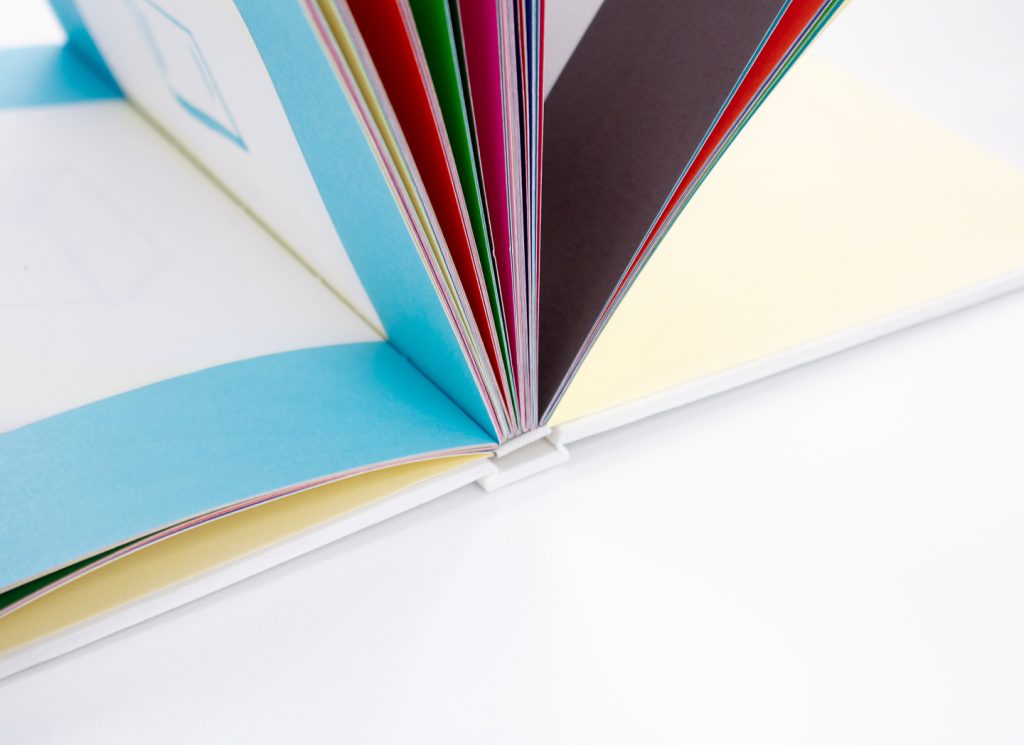
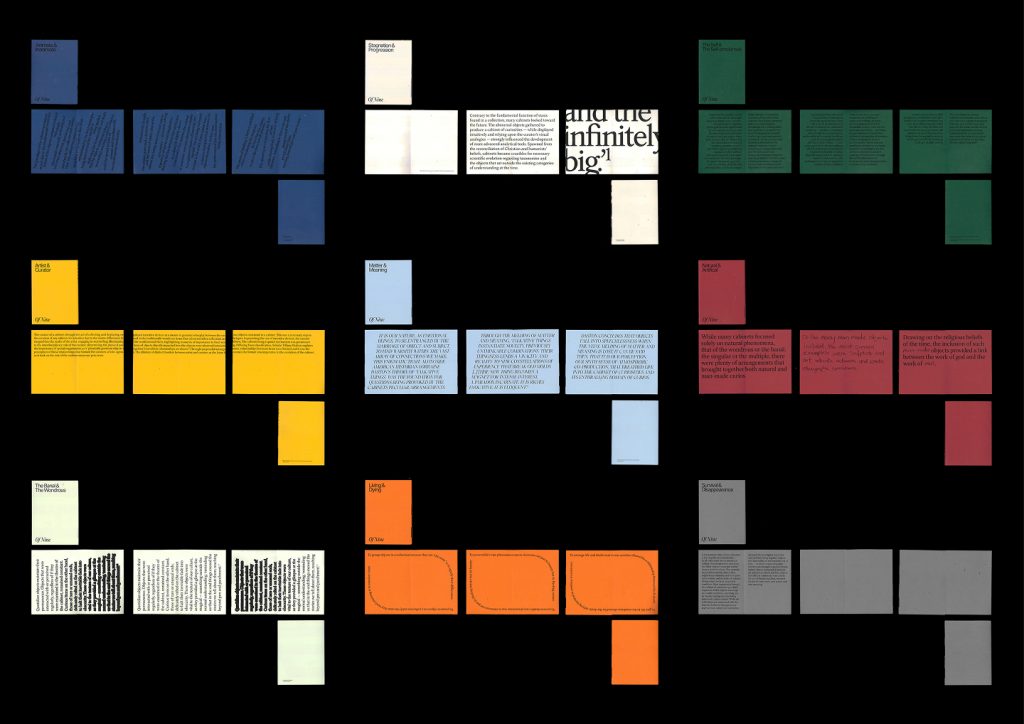
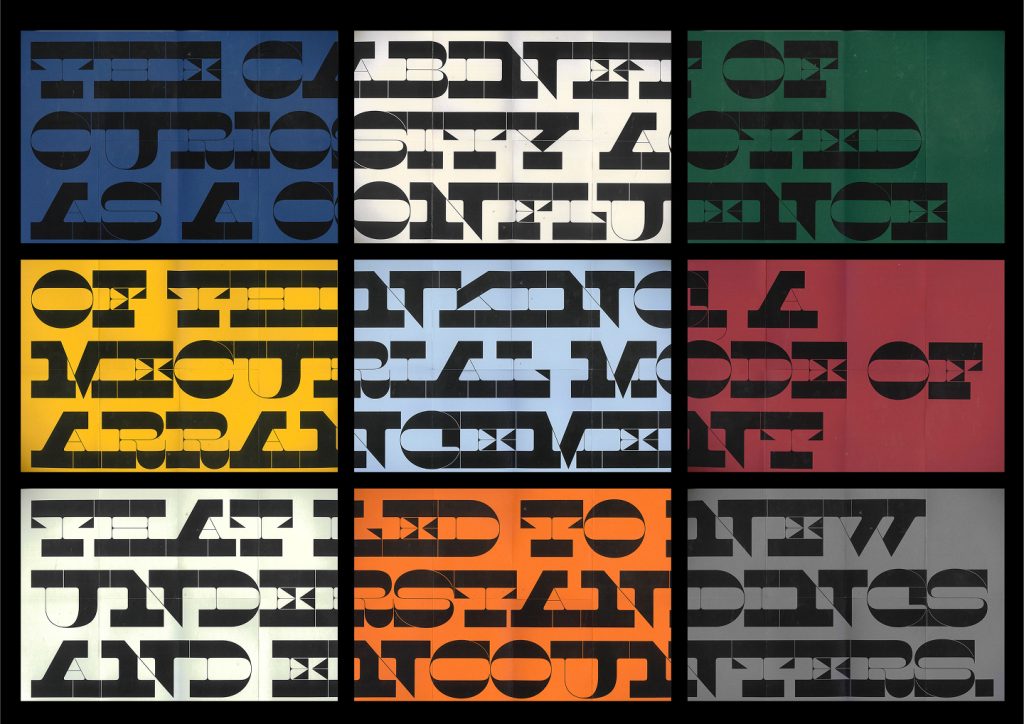
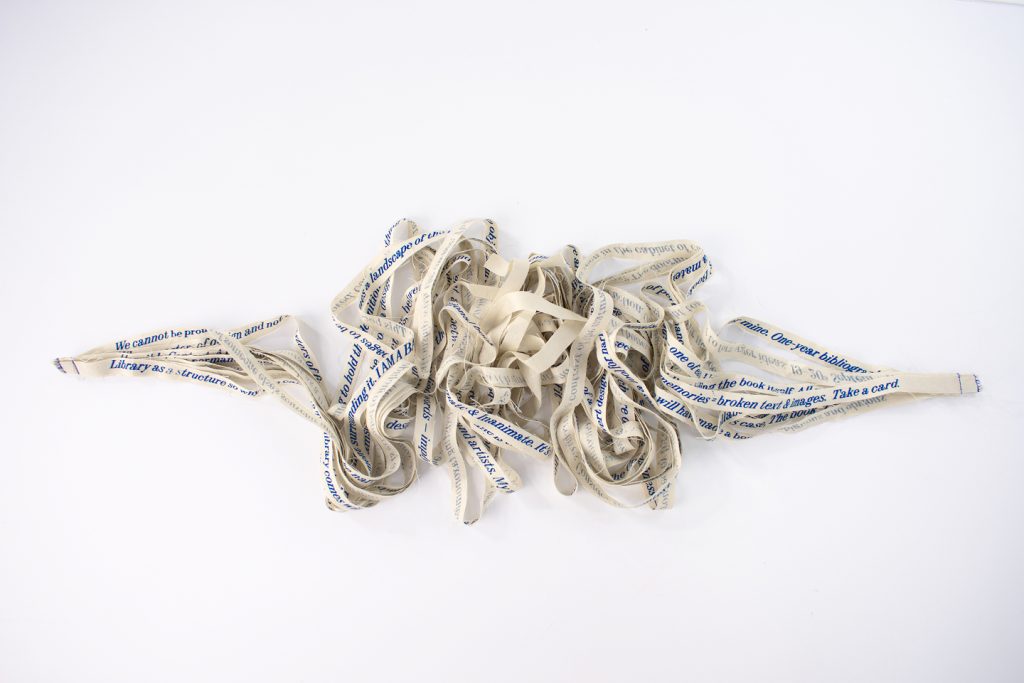
In its early stages, questions were raised, by myself and those around me, about the relevance of the cabinet of curiosities. But the connections between the two practices proved fruitful, shaping the way in which I set out to better understand the area of practice that I find myself in. This research was conducted through an auto-ethnographic design practice, acknowledging the centrality of the values, perspectives and experiences of myself as the designer. In utilising iterative practice-led research and research-led practice, and an alignment with Oulipian playfulness, the process of creation throughout this work has been responsive and intuitive. This shifted the project’s perspective towards sense-making, and in doing so aligned with the cabinet of curiosities’ panoramic goal of representing the world around the collector.
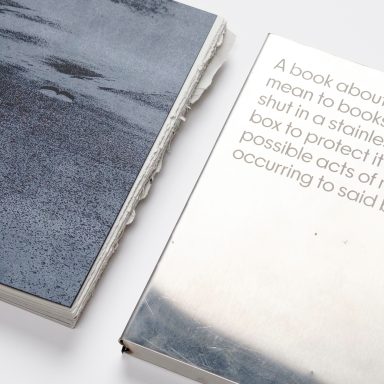
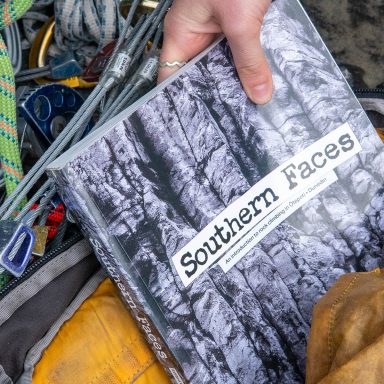
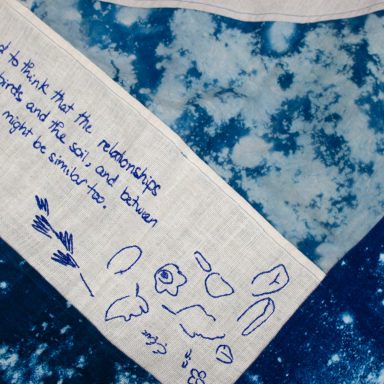
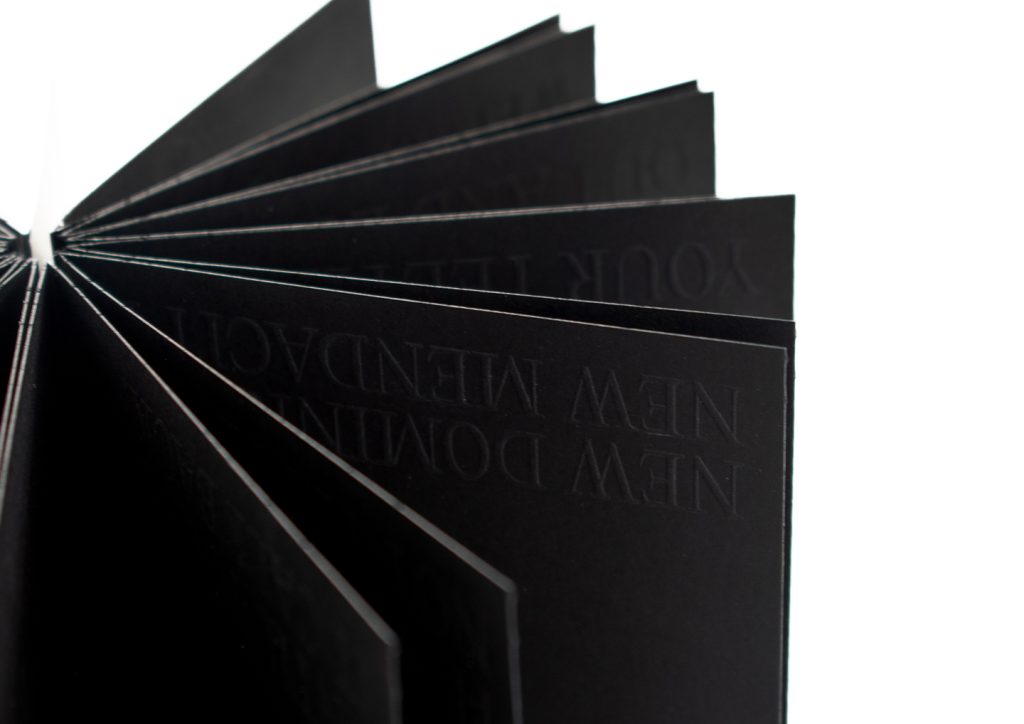
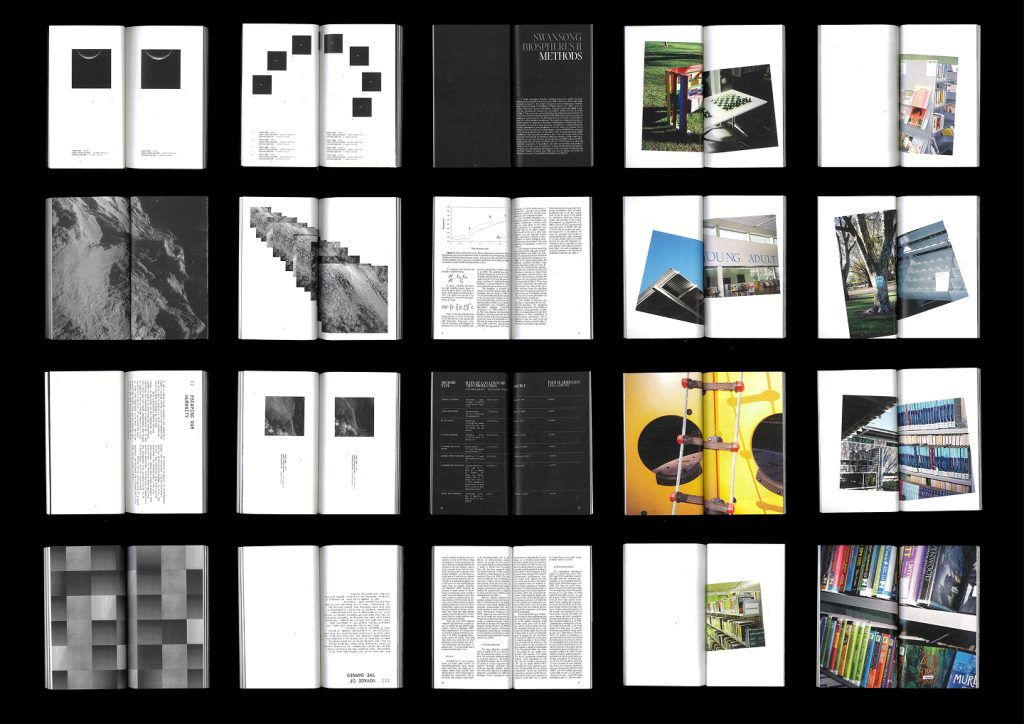
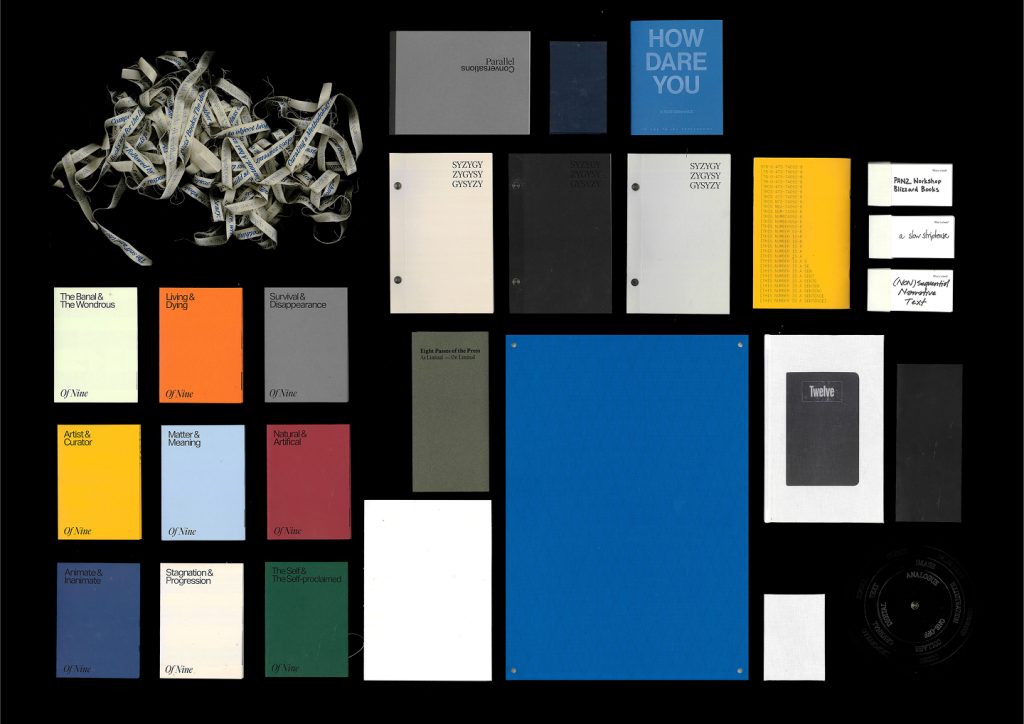
To identify the potential margins of what could be considered an ‘artists’ book’, a collection of 16 bookworks were designed that explore, subvert, or embrace the different facets of ‘artists’ books’. In doing this, I’ve gained better insights into existing theory and begun to contribute to the discourse surrounding ‘artists’ books’, and a designer’s place within the practice. The nature of the objects associated with both practices show a systemic avoidance of existing flawed taxonomies, and the more fluid interpretation of knowledge associated with the cabinet facilitated my navigation of this. By using similar techniques to the cabinet, I’ve brought together not just a range of ‘talkative’ objects but constructed a larger narrative through the positioning of their concepts.
The Design Team
https://exposure2025.massey.ac.nz/students/master-of-design/thomas-cumming
Thomas on Insta https://www.instagram.com/twelveam_press
School on insta https://www.instagram.com/allaccesscoca/
https://www.instagram.com/toi_rauwharangi