From the Edges — Bridging the Gap: Increasing Girls’ Interest in Technology Through Immersive Experiences – By Poornima Meegammana
In our ‘From The Edges’ series we feature Aotearoa NZ Academic Design Projects. Our practice as designers can be seen to be explored, pushed and perhaps become something entirely new where it exists at the edges of our practice in the world of academia. Free from the constraints of commercial outcomes and clients, designers explore and challenge existing paradigms.
In this article, we talk with Poornima Meegammana about Bridging the Gap, a designed XR learning project exploring how immersive technology can help girls build confidence, curiosity, and a stronger sense of belonging in technology, from the University of Auckland.
What’s your background?
I am a Sri Lankan designer, researcher, and social entrepreneur working at the intersection of design, storytelling, technology, and gender equity. My work has always been driven by an interest in connecting design and technology to create real-world impact. My creative practice began through theatre and short films, where I used storytelling to explore social issues. I later studied animation at the Academy of Design Colombo, which sparked my interest in interactive media and set me on a path to creating immersive XR experiences. Alongside my creative journey, I began volunteering at a young age and saw how girls in rural communities often had limited access to technology and were made to feel that it was not for them. That experience shaped my long-term commitment to creating more inclusive technology learning opportunities. Later, I founded NextGen Girls in Technology to create opportunities for rural girls in Sri Lanka to engage with hands-on technology learning. I am now exploring how co-designed XR experiences can help girls see themselves as creators of technology.
Who is your favourite designer/creative/artist and why?
One of my favourite creatives is Leslee Udwin, a filmmaker and human rights activist. I admire how she has used film, storytelling, and education to create meaningful social impact. Her work shows that creative practice can do more than communicate an idea. It can shift conversations, challenge injustice, and lead to real-world change. I especially loved what she did with India’s Daughter and how that work led to the establishment of Think Equal. That journey resonates deeply with me because my own work also sits between design, technology, storytelling, and social change. Beyond her achievements, I also admire her warmth and generosity as a person. To me, she represents the kind of creative I look up to: someone who uses their craft with courage, care, and a clear commitment to making the world more equal.
What goals and aspirations do you have for the future?
My future goal is to continue building work that connects design, technology, and social impact. Through my PhD, I hope to develop practical knowledge, design methods, and XR learning experiences that can help more girls see themselves as creators of technology. I want this research to move beyond a thesis and become something that can support schools, community spaces, and organisations working with underrepresented learners.
In the long term, I hope to expand this work across Sri Lanka, Aotearoa New Zealand, and other contexts where girls face barriers to technology education. I also want to continue growing NextGen Girls in Technology and create more opportunities for girls to learn through creativity, play, and hands-on making. My aspiration is to contribute to a future where technology education feels more inclusive, culturally relevant, and empowering, especially for girls who are often left out of these spaces
When did you first learn about your area of specialty? What about it piqued your interest?
There was no single moment when I discovered my area of speciality. My path has been shaped by curiosity, experimentation, and following the medium that felt most alive to me at each stage. I began with photography, then started arranging images into photo stories because I wanted to say more than a single image could convey. That led me into short films, animation, 3D, game design, and eventually XR. Each step opened a new way to create, interact, and tell stories.
What has remained consistent is my desire to use creative tools to speak about social issues and injustice. Over time, I began to ask not only how creative media could raise awareness, but how it could also create real change. That question led me towards social entrepreneurship and gender-focused technology education. I am now also learning and applying co-design, which feels like a natural progression in my practice. It allows the people affected by an issue to have a voice in shaping the experience. XR brings these interests together by combining storytelling, design, technology, participation, and impact.
What’s the background of your current project?
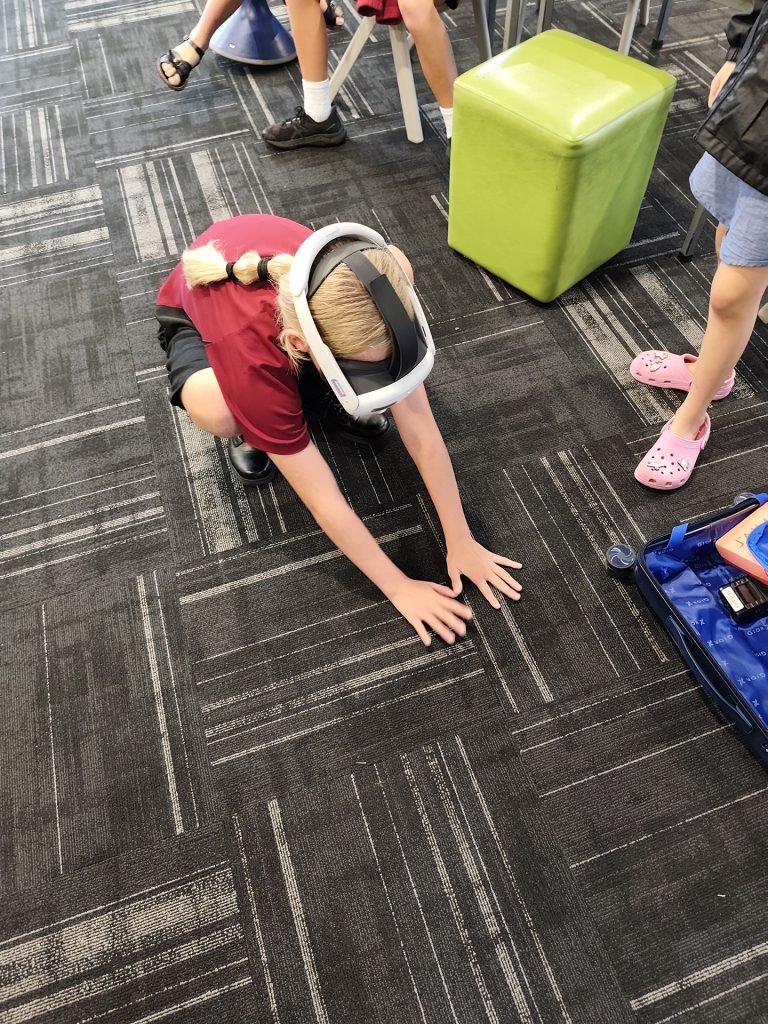
My current project grew from a question I have carried through my work: how can design and technology help girls see technology as something they can shape themselves? Research shows that girls’ interest and confidence in STEM and technology often begin to decline during early adolescence. This is linked to gender norms, limited exposure, low self-efficacy, and a lack of relatable role models. XR has also been used in education to create interactive and engaging learning experiences, but many of these projects do not involve girls directly in the design process.
My PhD project responds to this gap by exploring how co-designed XR experiences can support girls’ confidence and interest in technology. Through my work with rural girls in Sri Lanka, I saw how limited access and a lack of relatable examples often made technology feel distant. This project builds on that experience and moves into co-designing and using XR as a space where girls can try ideas, make mistakes, and imagine themselves using technology to solve problems.
Rather than designing an XR learning experience for girls, I wanted to design it with them. This is where co-design became central to the research, because girls should have a meaningful role in shaping technologies intended for them.
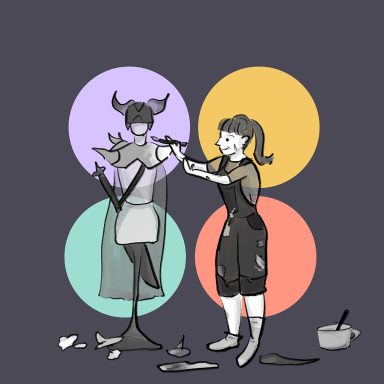
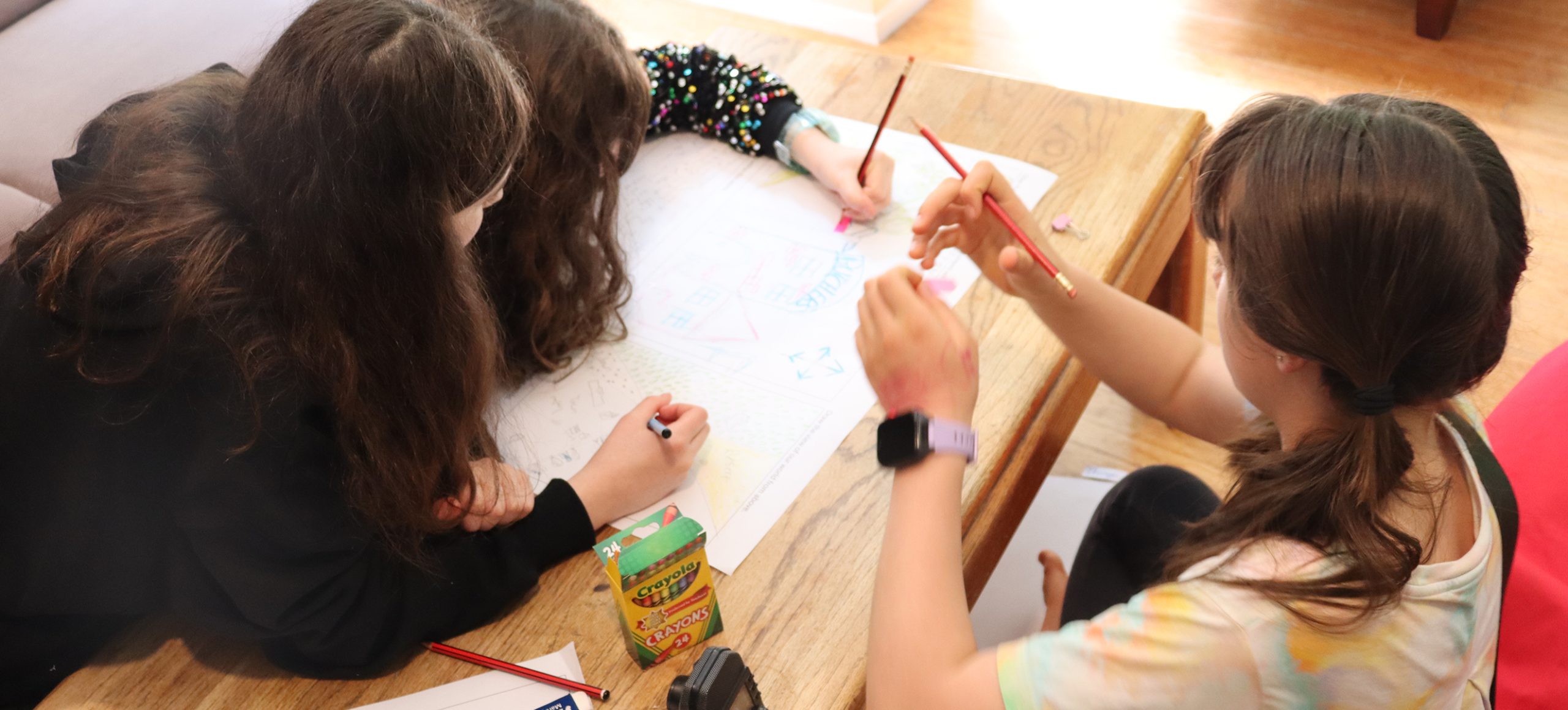
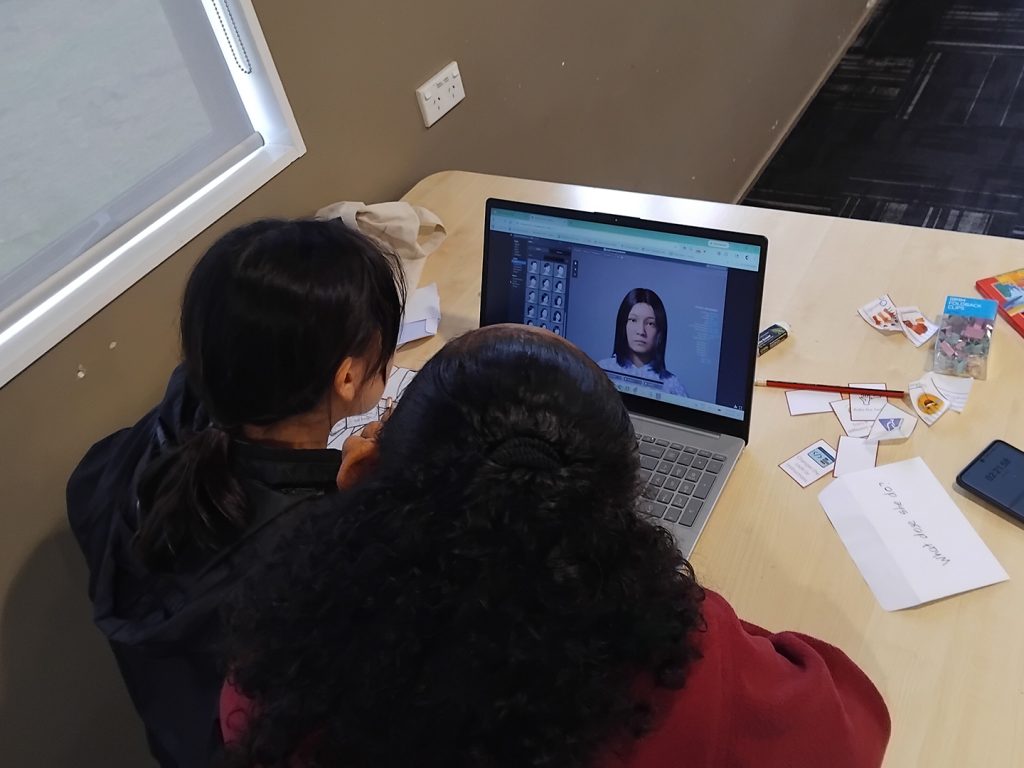
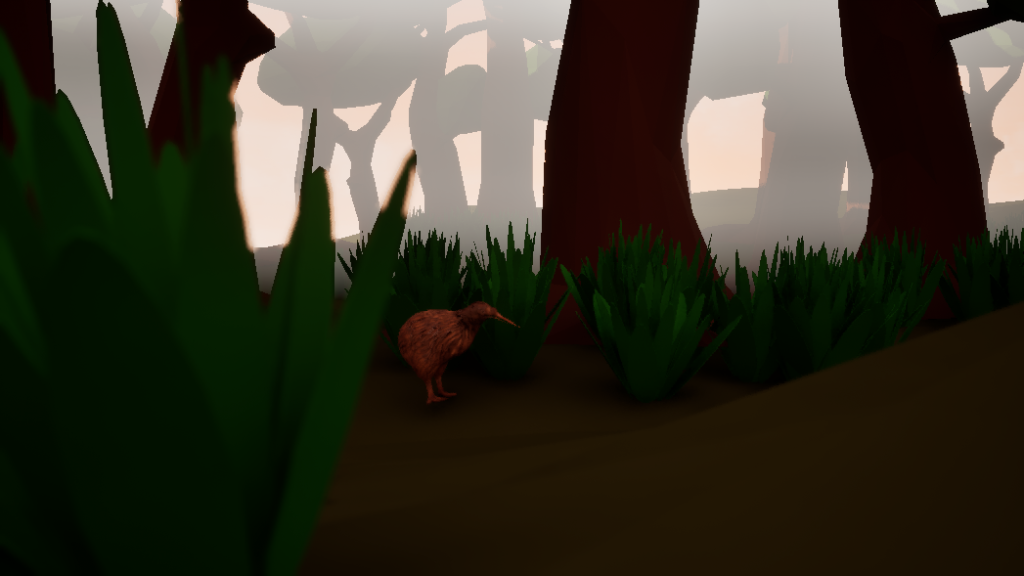
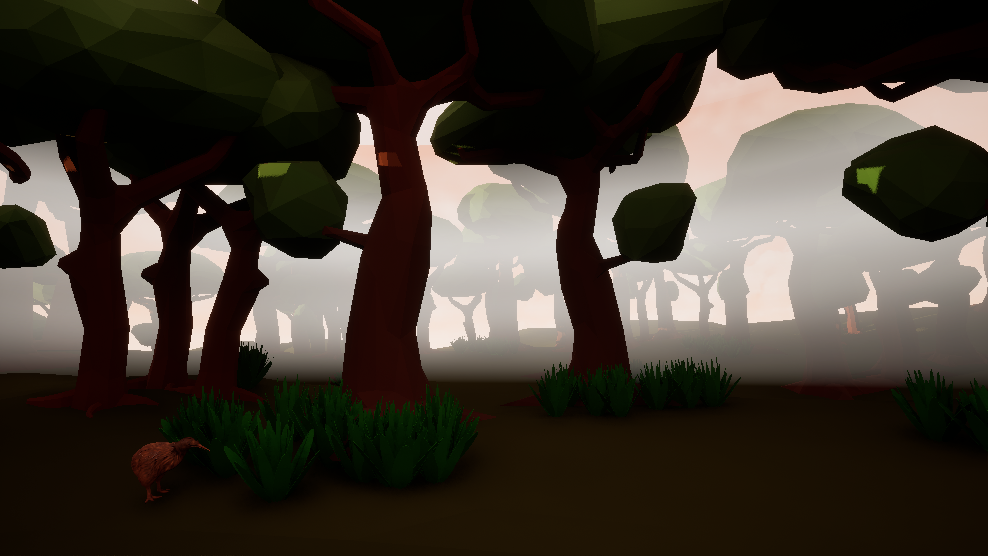
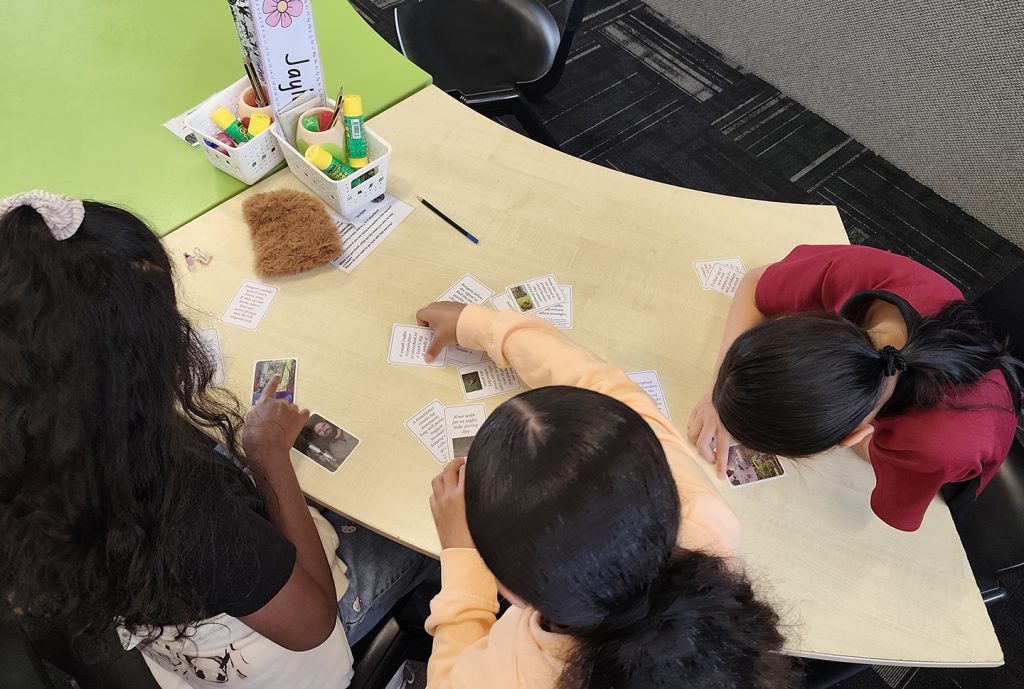
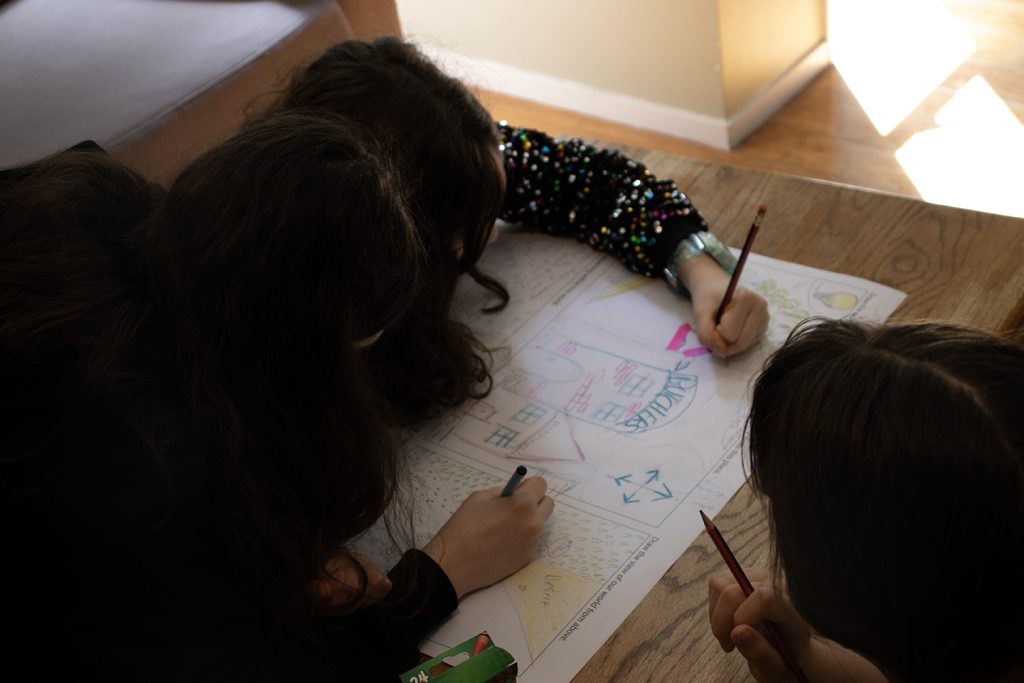
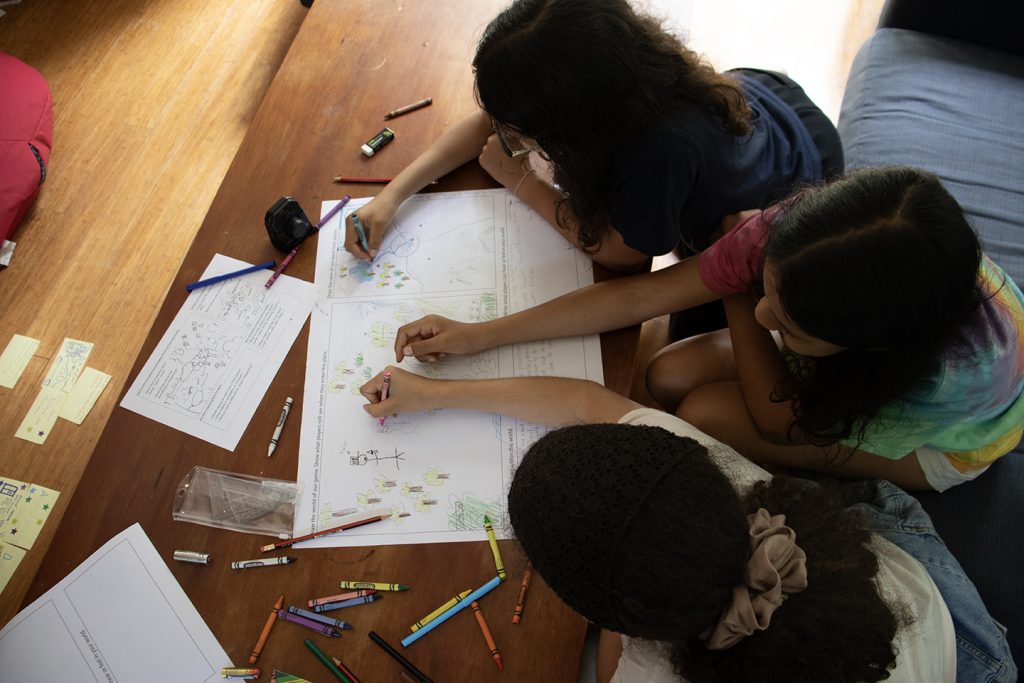
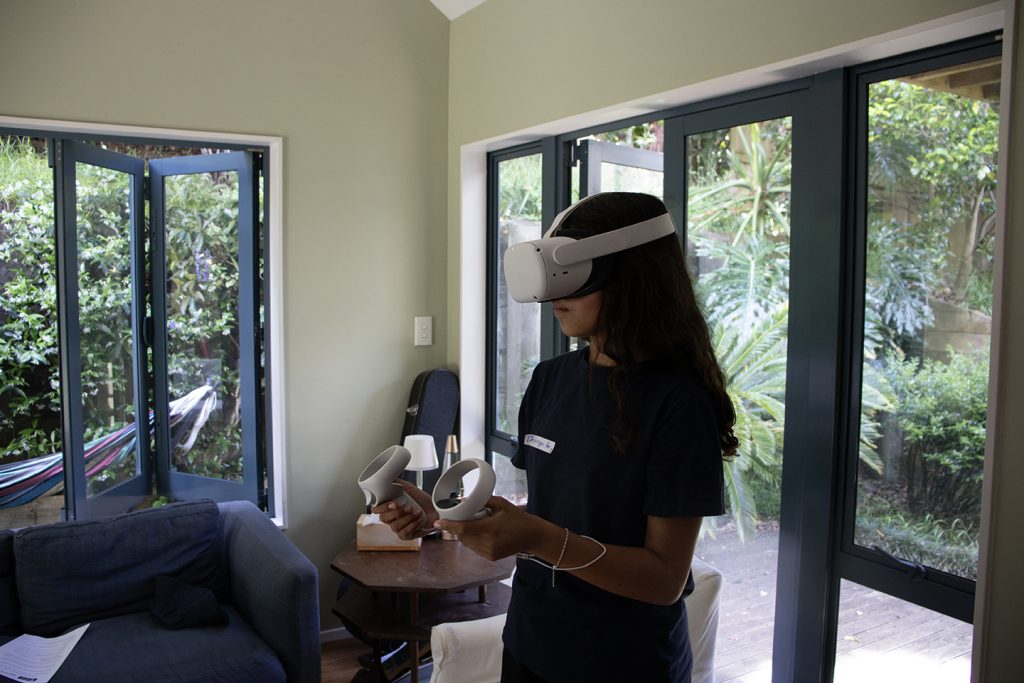
The project uses playful workshops where girls share ideas through discussion, drawing, storytelling, and low-tech prototyping. In the first phase, they helped shape the concept for an XR experience where players use technology in a virtual environment to help protect kiwi birds.
What interests me most is how the project connects design, technology, education, and gender equity in a practical way. The work is about building an XR prototype, but it is also about creating a process where girls’ ideas, values, and experiences shape the technology from the beginning.
Through your post-grad research have you made any interesting or unexpected discoveries or insights that you can share with us?
One unexpected insight came from the first co-design workshops. Because the XR experience focuses on environmental issues, I introduced the girls to pressing concerns in Aotearoa New Zealand, such as water contamination and deforestation. I expected them to respond directly to those issues, but they redirected the project. They told me they cared more about animals and wanted the experience to focus on protecting them. This shifted the concept towards using technology in a virtual environment to help kiwi birds.
That moment taught me something important about co-design. What adults may see as the most urgent issue is not always the most meaningful entry point for children. For the girls, animals created an emotional connection, and that connection made the environmental theme more engaging.
Another insight I gained from analysing how the girls approached the design process was how much they drew on their own experiences and knowledge. They did not only respond to the activity in front of them. Instead, they brought in prior knowledge, local and place-based understanding, personal experiences, and familiar stories. This was an interesting insight because it highlighted how girls actively shape the design process through the knowledge and experiences they bring with them.
How has post-grad study impacted your design practice?
Postgraduate study has made my design practice more intentional, reflective, and collaborative. Before my PhD, I often moved through practice by following curiosity and experimentation. That sense of exploration is still important to me, but postgraduate study encouraged me to think more carefully about how design can be shaped with people and connect my creative decisions to existing research, theory, and evidence.
A significant shift in my practice has been moving towards co-design. I am learning how to create opportunities for participants to contribute their own experiences, ideas, and perspectives throughout the design process. Rather than relying solely on my own assumptions, I now see design as something that emerges through collaboration, conversation, and shared making.
Alongside this, I have become increasingly interested in the role of play within research and design. I am learning how playful methods can help people feel more comfortable, creative, and engaged when exploring complex topics. Workshops, prototyping activities, and interactive exercises have become valuable ways of generating insights while also creating enjoyable and meaningful experiences for participants.
This shift towards co-design and playful approaches has made my practice more open, participatory, and grounded in the experiences and perspectives of the people involved.
Why did you choose this particular program/university/qualification?
I chose the PhD in Design at the University of Auckland because it supports interdisciplinary research and provides the flexibility to bring together design, technology, education, and gender equity within a single project. My research draws on XR, co-design, human–computer interaction, and community-based education, allowing me to explore complex social challenges through multiple disciplinary perspectives and develop solutions that connect design innovation with social impact.
My supervision team also played a key role. I am supported by Dr Mairi Gunn, Associate Professor Danielle Lottridge, and Professor Mark Billinghurst, whose expertise aligns closely with my research and practice.
Your Team
Supervisors
Dr Mairi Gunn, Associate Professor Danielle Lottridge, Professor Mark Billinghurst
External advisor
Associate Professor Angus Campbell