2026 Hot New Things: Rebekah Wood, Wellington School of Design Ngā Pae Māhutonga, Massey University
Design Assembly profiles a selection of the top graduates from the best Art and Design Schools in Aotearoa New Zealand. We welcome these talented emerging professionals to our industry, learn about their passions, final projects, developing creative confidence and ambitions for the future.
Today we speak with Rebekah Wood who recently graduated from the Visual Communication Design at Wellington School of Design Ngā Pae Māhutonga, Massey University . Find out more about tertiary study options across Aotearoa New Zealand on our Design Schools page.
Tell us a bit about yourself
Kia ora, I’m Rebekah, a recent design graduate from Toi Rauwhārangi, Massey University, with a Bachelor of Design (Hons), majoring in Visual Communication. I grew up in Wellington, Aotearoa, and this is still my favourite place to be. I am drawn to design projects that involve designing and organising information for ease of experience, particularly editorial design and occasionally print and web design. During my studies, I found that the tangible, interactive experience of books was a welcome return to the hand-made experience, something I had missed, as my previous work was mostly in a digital format. This developed a passion for typographic design and a fascination with how typefaces have evolved in response to their intended use, and how they enhance the visual communication of a design.
What was the focus of your graduating project?
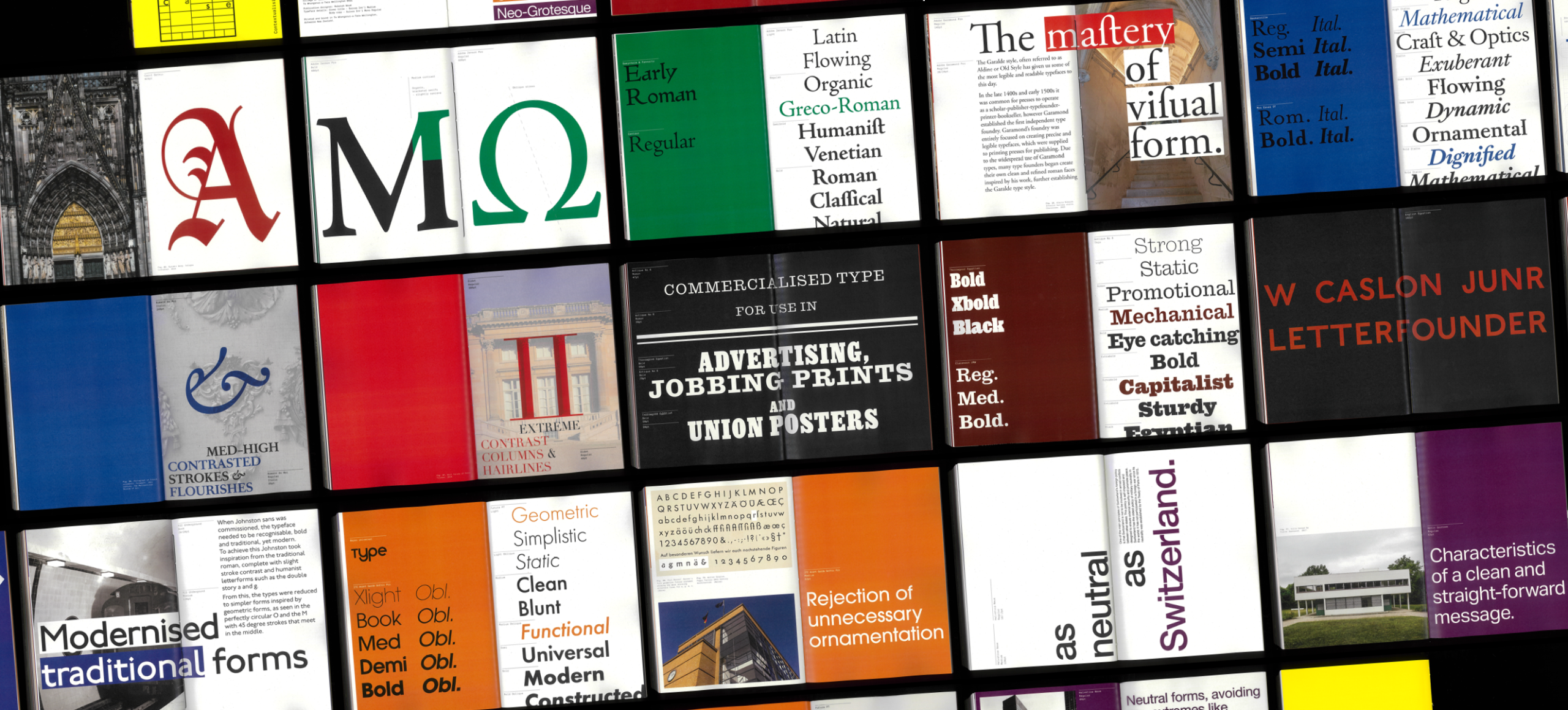
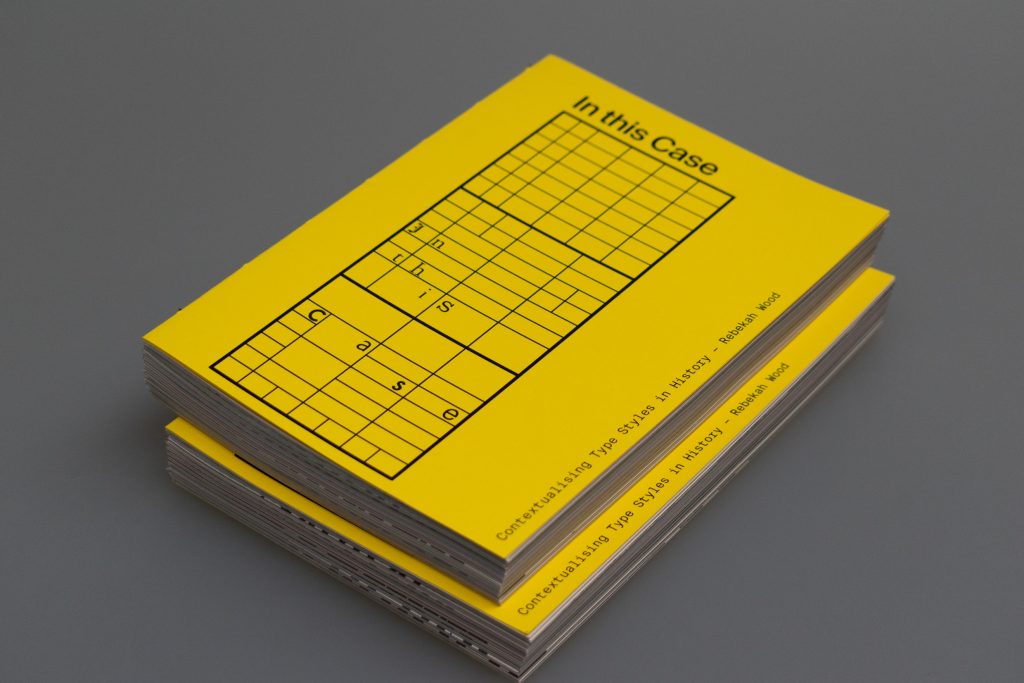
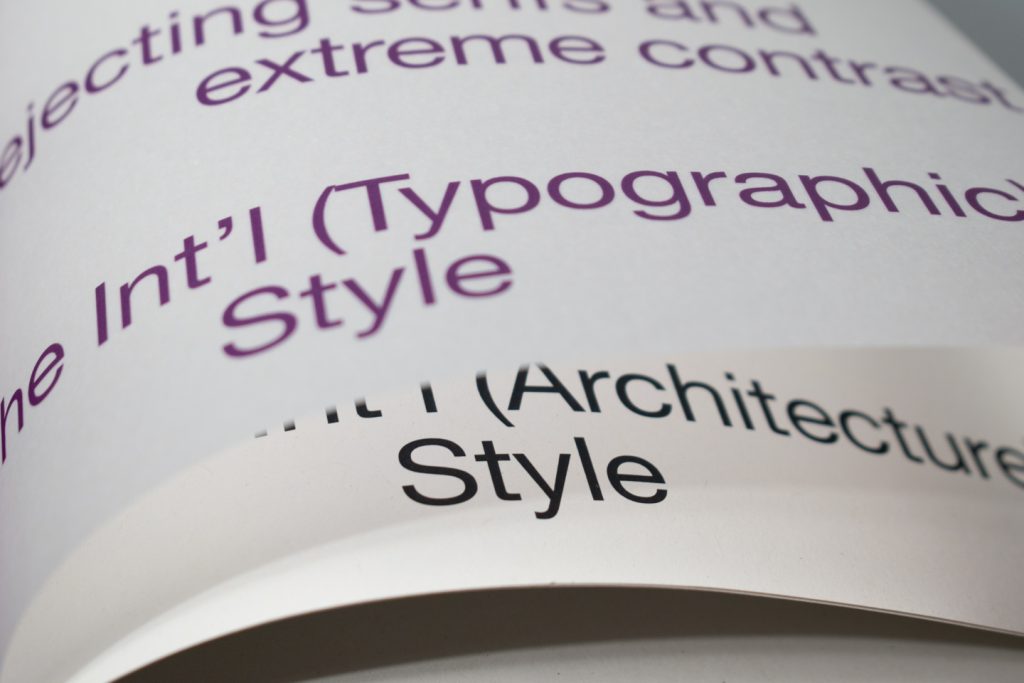
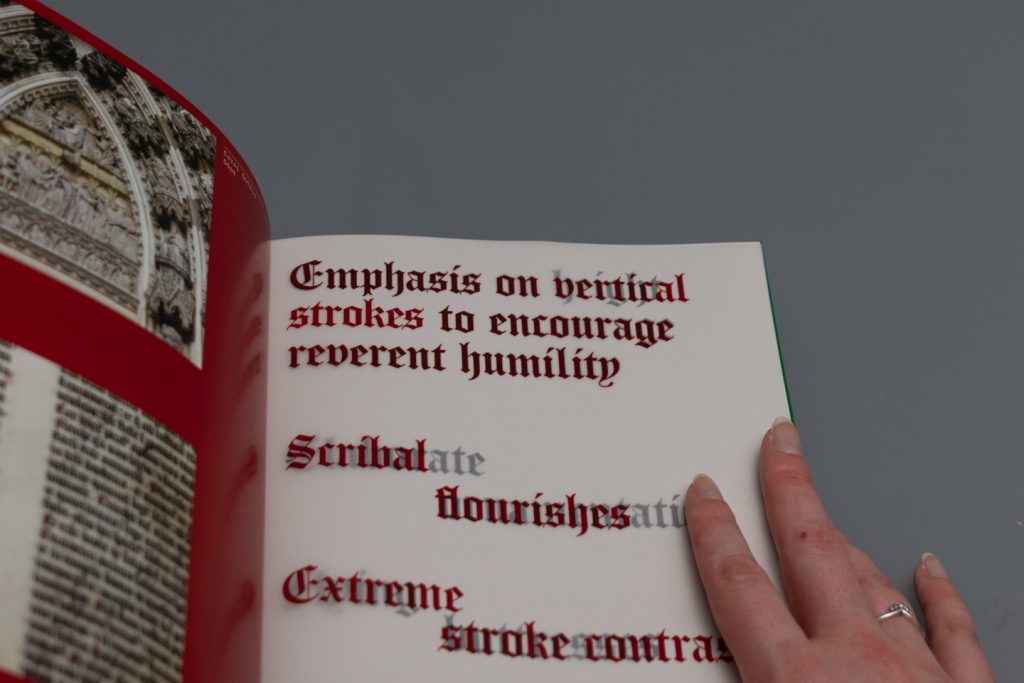
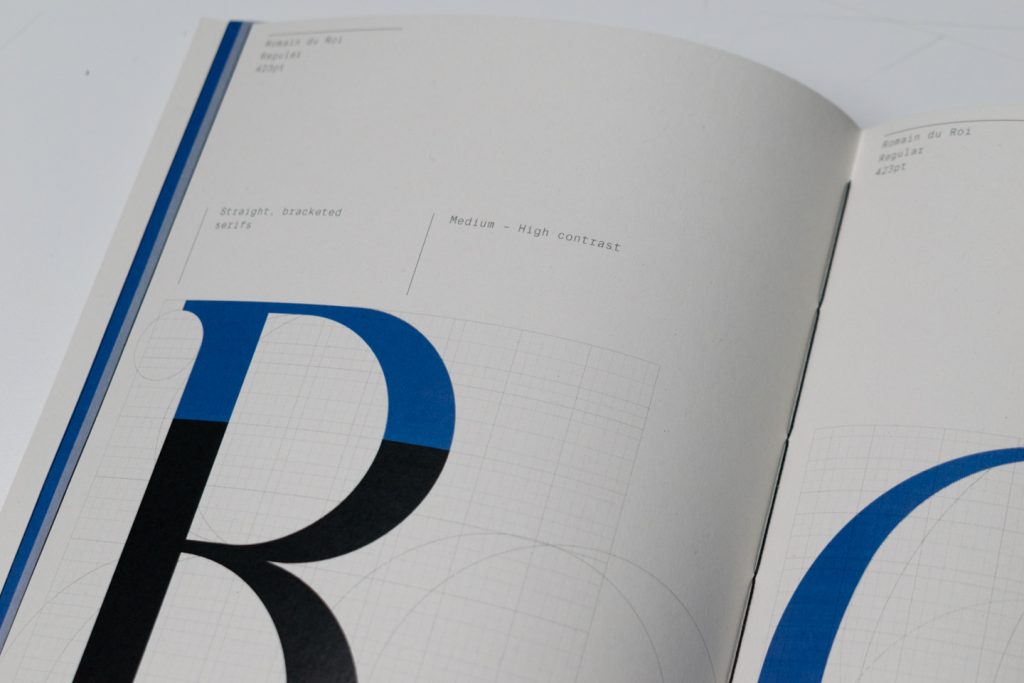
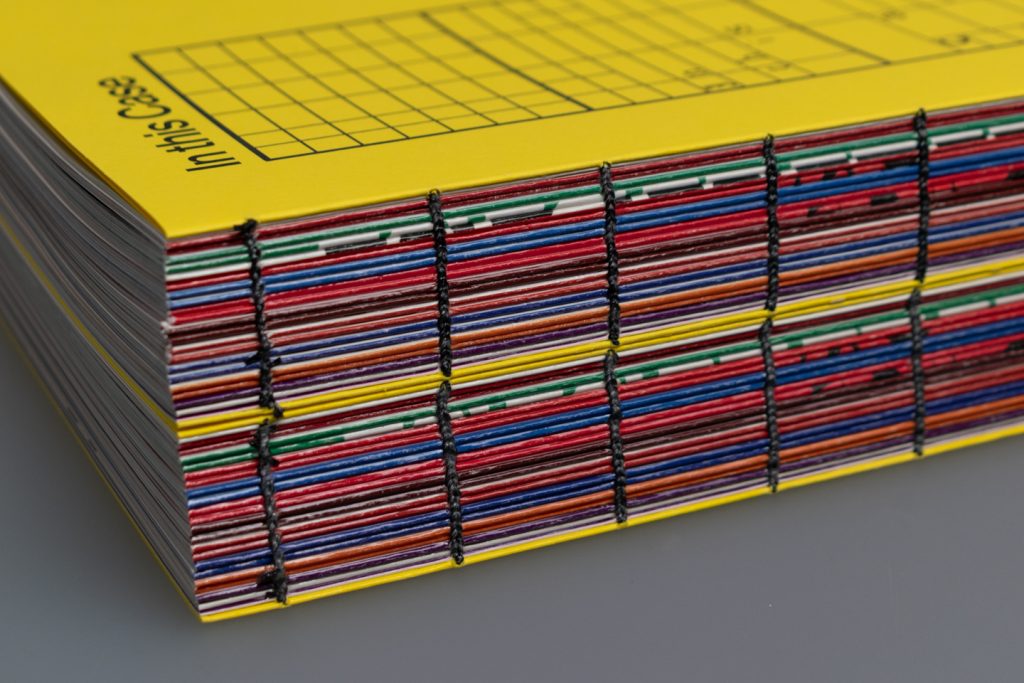
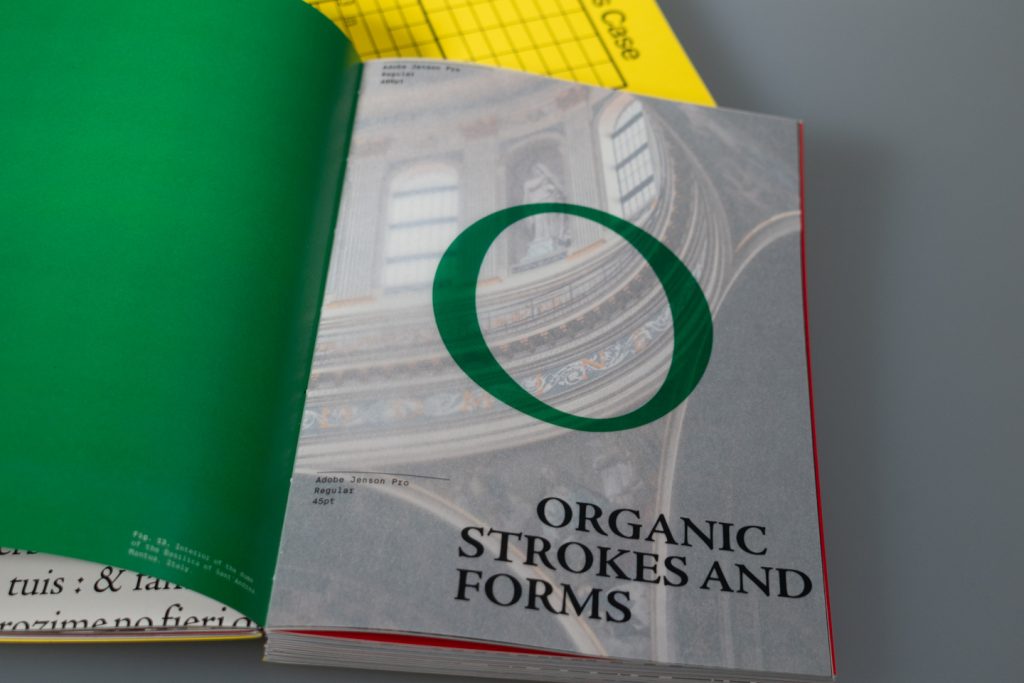
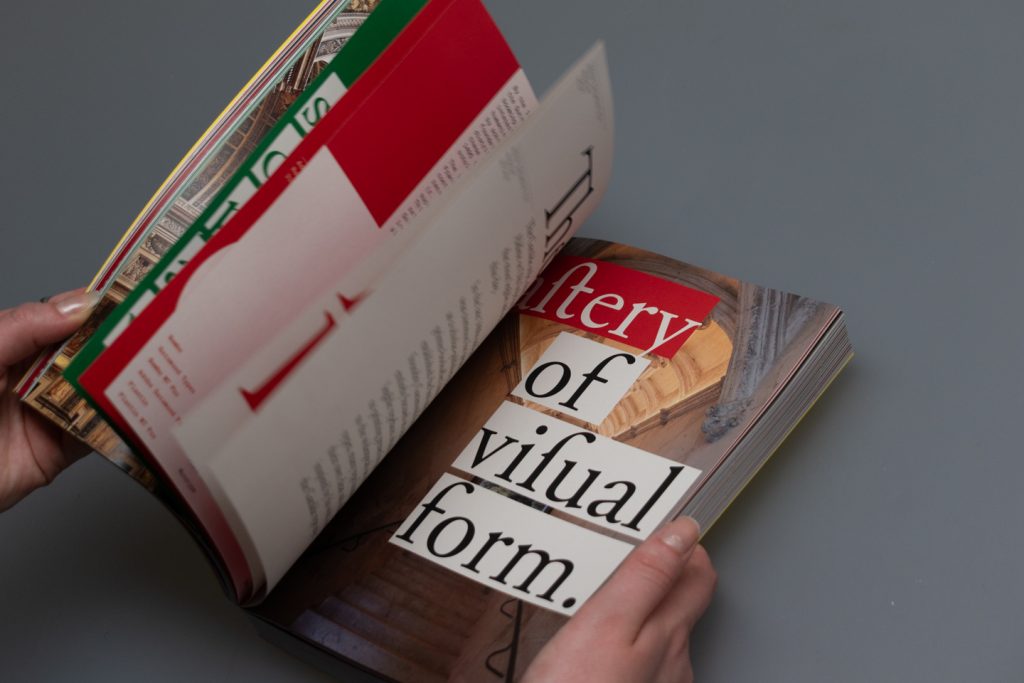
My Honours project, ‘In this Case’, is, at its core, a type specimen that aims to engage design students with the historical contexts and attitudes behind well-known type styles. It contextualises typeface classifications within their respective periods by drawing parallels with architectural styles of their time. This presents typefaces as a sort of ‘time capsule’ which reflects their historical contexts.
I wanted to share my fascination with the history of typefaces with other young designers. To create an output that made the traditionally academic subject of history attractive to my demographic, I steered away from the content-heavy, online resource format, towards the tangible and visually engaging ‘type specimen book’. The typefaces are presented as a means of visual communication through imagery and typeface anatomy, drawing comparisons to architecture of the time, rather than focusing on an excess of written content.
What did you choose to study Visual Communication Design at Wellington School of Design Ngā Pae Māhutonga, Massey University?
I chose to study at Massey University as I had heard from a teacher way back in Year 10, when I was considering interior design, that Massey was known for its excellent design programs. This stayed with me through many changes of career choice, and when I eventually found my love for graphic design, choosing Massey seemed like a natural choice.
I was drawn to Visual Communication Design mainly due to my interest in graphic design from Year 13, while also allowing me to test my strengths and areas for improvement and encouraging me to widen my horizons.
What did you enjoy most about the programme?
I loved that the first couple of years encouraged students to try as much as they possibly could. The option to take courses from other majors helped me gain invaluable skills in areas such as photography that could later be applied to my design work. My third and fourth years allowed me to take all that I had learned, find an area or niche that I was particularly passionate about, while encouraging me to nurture my skills and interests.
My time at Toi Rauwhārangi has left me with lasting relationships with my peers and lecturers. The social and interactive nature of the courses allowed us to learn the ins and outs of each other’s passions and strengths. Despite often working on independent projects, being surrounded by my peers supported a collaborative environment, which really helped me thrive in my courses. We became familiar with each other’s projects by discussing our work and offering and receiving feedback and advice. As I progressed through my courses, the lecturers also understood my interests and skills, and became some of my biggest supporters.
What was your biggest challenge while studying?
More common than I thought, my biggest challenge was trusting my gut. Feedback from lecturers had told me that I’m good at what I do, but somehow that didn’t settle! Every six months or so, for the first couple of years of study, I experienced major bouts of imposter syndrome. A slight setback or moment of indecision would send me spiralling into self-doubt and comparison, making me wonder if I was where I was meant to be. I struggled to trust myself and my creative decisions and often had to remind myself that feedback is just a suggestion: valuable and helpful, but not a rule I needed to follow to a T. Solutions could come from, and support, my vision for my work.
I had to learn how to talk myself up, both to others and to myself. Outwardly backing myself and my strengths, especially publicly, hasn’t always come naturally, but this was thrust upon me (and my peers) towards the end of our honours year. It turns out this is quite common for my demographic of young women in Aotearoa.
Who (or what) inspired you to pick design as a career path?
I have been creatively inclined since I was young. Potential career options over my childhood to my teens evolved from art, to interior design, to dance, to graphic design.
My first experience of design was in year 12 Visual Art, when we were given the option to choose between painting and design for our final portfolio. I switched from painting to design at the last minute. It’s odd to think that if it weren’t for that choice, the last five years of my life would’ve looked very different!
In Year 13, deciding what to do next was quite overwhelming, but my lunchtimes and after-school times spent in the computer pod were some of the most enjoyable.
My new interest in graphic design was encouraged and supported by my design teacher Caroline Bartholomew. Her excitement that I had developed an interest and skill in this area, and her confidence in my abilities was a huge boost to my own enthusiasm, and this stuck with me throughout my university studies. Ms Bartholomew gave me the support I needed during the confusion of choosing a career path. Her mentorship and encouragement led me to consider design as a field that I could thrive in.
Who is your favourite designer?
I find inspiration from so many creatives that have influenced my design work! However some work I have most enjoyed is from Klim Type Foundry. Although type design is a niche I haven’t experimented with myself, Kris Sowersby’s work in reviving popular typefaces from history and refining them for the digital age is something I find very interesting.
It was particularly enjoyable to explore during my honours project, as I was learning how popular type designs have evolved over centuries for a printing press media, and how they can now be adapted and applied to the digital age. Not only are his typefaces inspired by popular designs, but they also celebrate their origins, paying homage to the original design process.
What is next for you?
At the moment, I’m staying in Wellington and enjoying being a graduate. I would love to join an enthusiastic studio environment that incorporates all the best of a collaborative and creative atmosphere. I’m furthering my understanding of the history behind design by conducting my own research, which only increases my appreciation for and enjoyment of using typefaces to enhance visual communication. I intend to apply this to a couple of passion projects which will strengthen my skills, and keep my creative juices flowing.
Where can we see more of your work?
Online Portfolio – https://rebekahwooddesigns.com/
LinkedIn – https://www.linkedin.com/in/rebekah-wood-0a5907346/
Instagram – https://www.instagram.com/rebekah_wood.design.png/
Graduation Exposition – https://exposure2025.massey.ac.nz/students/visual-communication/rebekah-wood