2026 Hot New Things: Ruby Ross-Hayes, Wellington School of Design Ngā Pae Māhutonga, Massey University
Design Assembly profiles a selection of the top graduates from the best Art and Design Schools in Aotearoa New Zealand. We welcome these talented emerging professionals to our industry, learn about their passions, final projects, developing creative confidence and ambitions for the future.
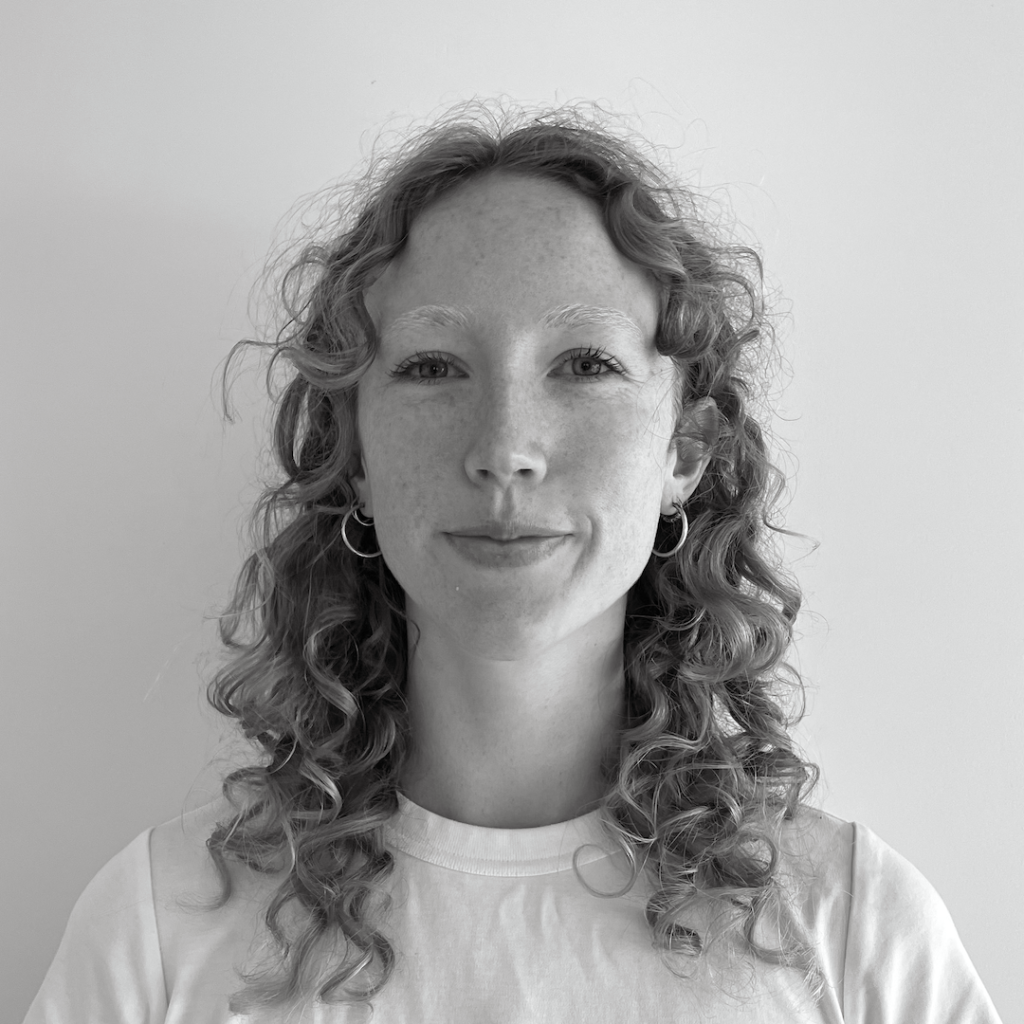
Today we speak with Ruby Ross-Hayes who recently graduated from the Visual Communication Design at Wellington School of Design Ngā Pae Māhutonga, Massey University. Find out more about tertiary study options across Aotearoa New Zealand on our Design Schools page.
Tell us a bit about yourself
Kia ora, I’m Ruby. I recently graduated from Toi Rauwhārangi with a Bachelor of Design with Honours, majoring in Visual Communication Design. I have always considered myself a creative person, gravitating towards hobbies that incorporate making things, such as sewing, making jewellery, knitting and book binding. I was born and raised on Waiheke Island before moving to Te Whanganui-a-Tara to study. Growing up surrounded by nature has given me a strong love for the environment and I spent many of my high school years in various sustainability-related endeavours.
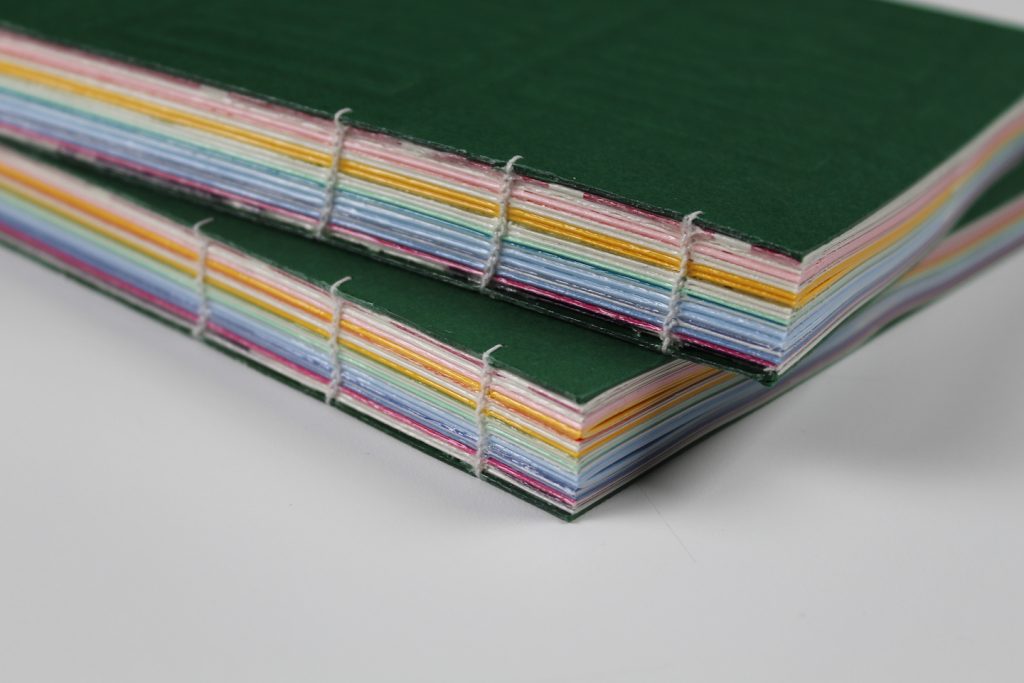
I’m really drawn to creative problem solving and the way design can communicate complex ideas in clear and engaging ways. Throughout my studies, I developed a strong interest in typography, editorial design and branding, and have enjoyed building my skills across these areas. I love the details of design and how small decisions build up to create a bigger picture. I also enjoy incorporating tactile and hands-on elements into my work, particularly as we move further into a digital age. In recent years, this has taken the form of printmaking and bookbinding.
What was the focus of your graduating project?
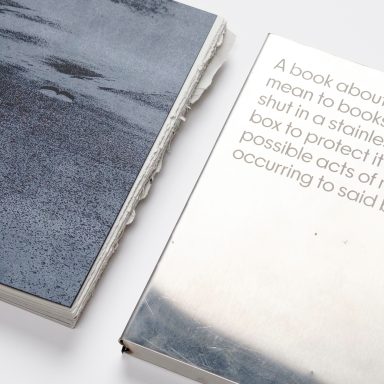
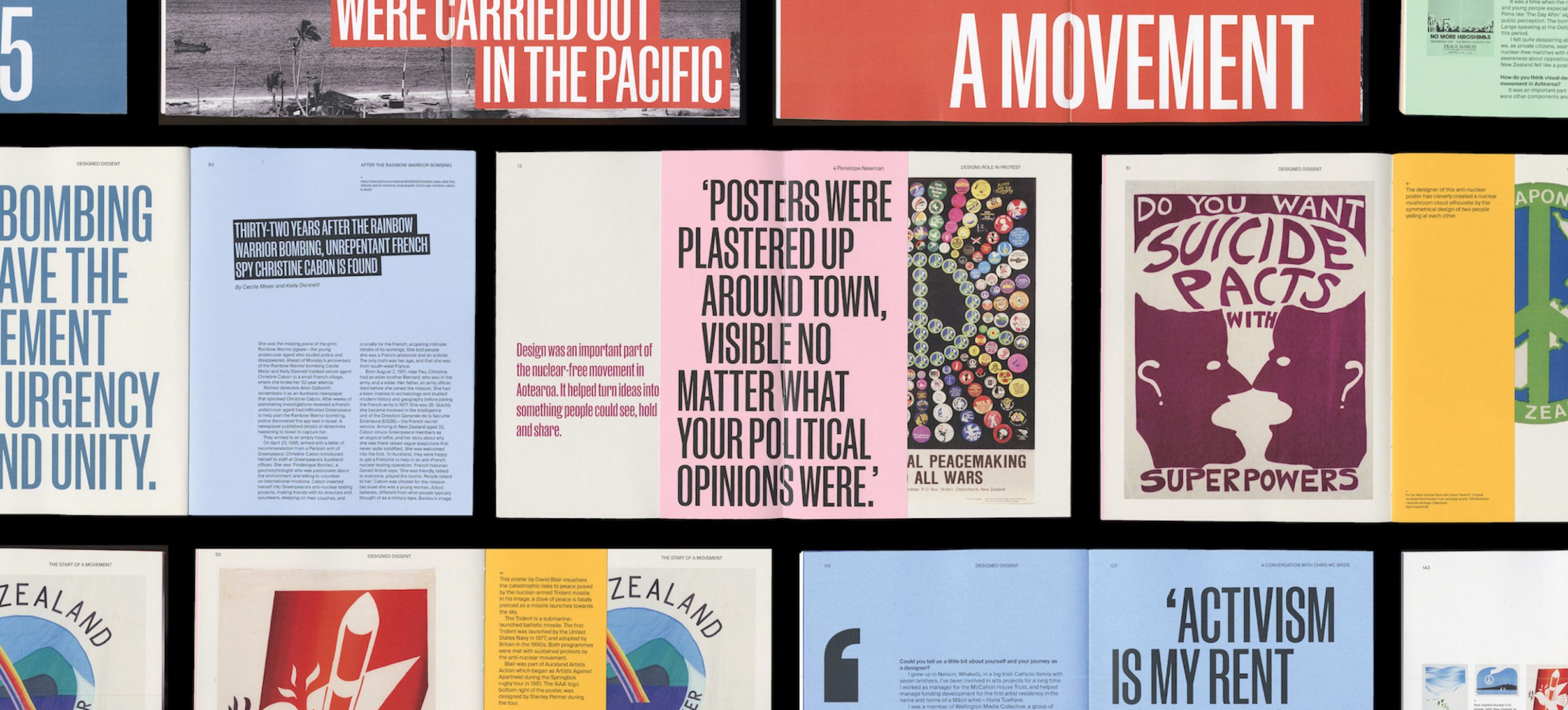
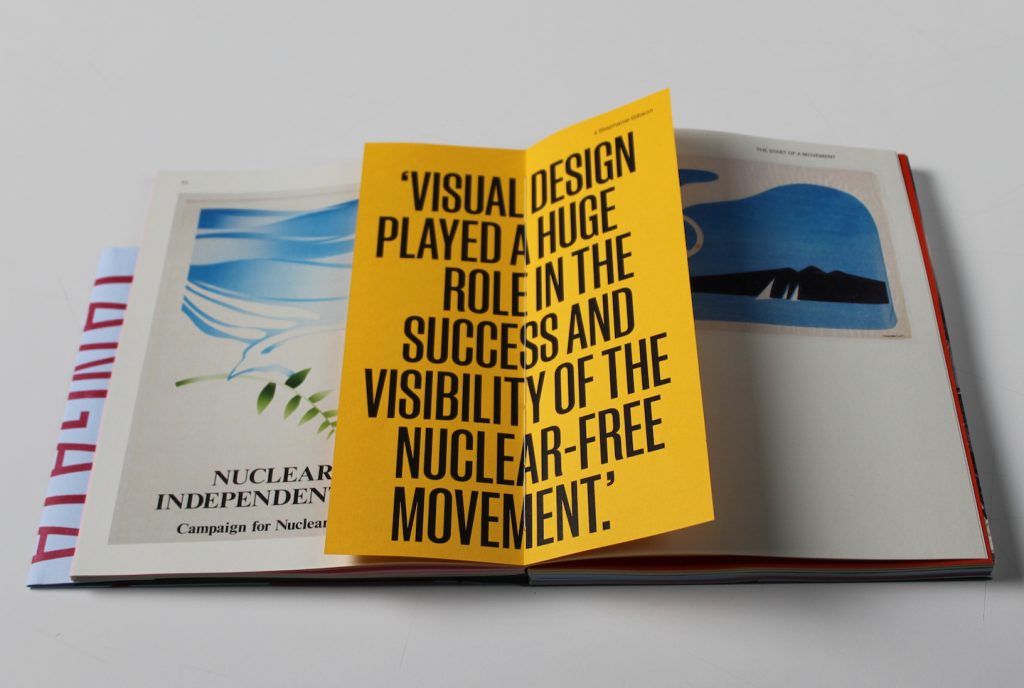
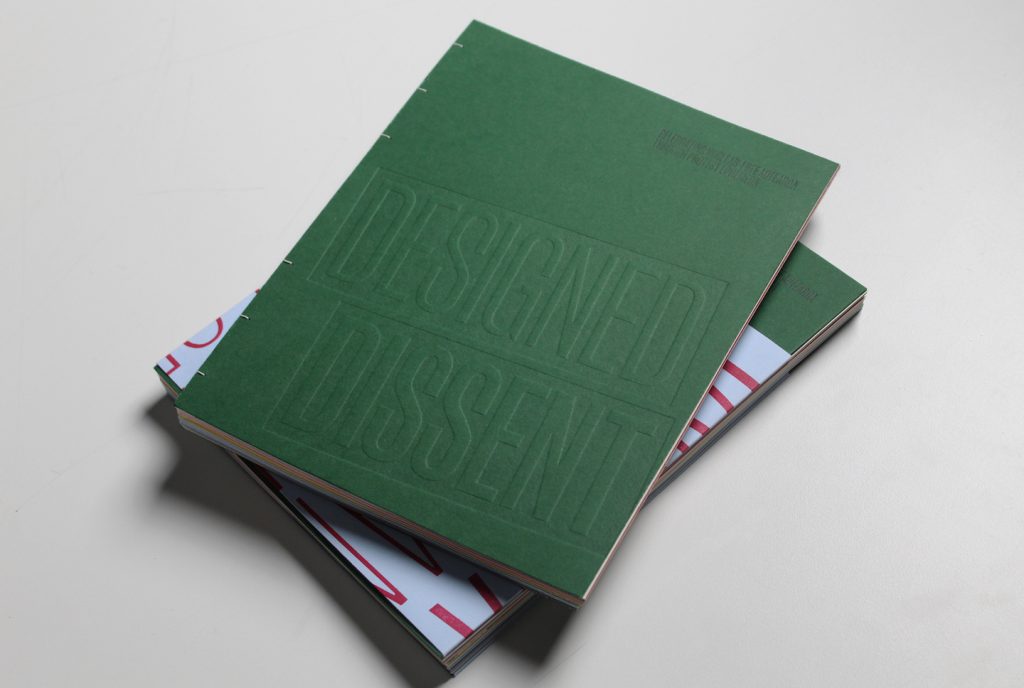
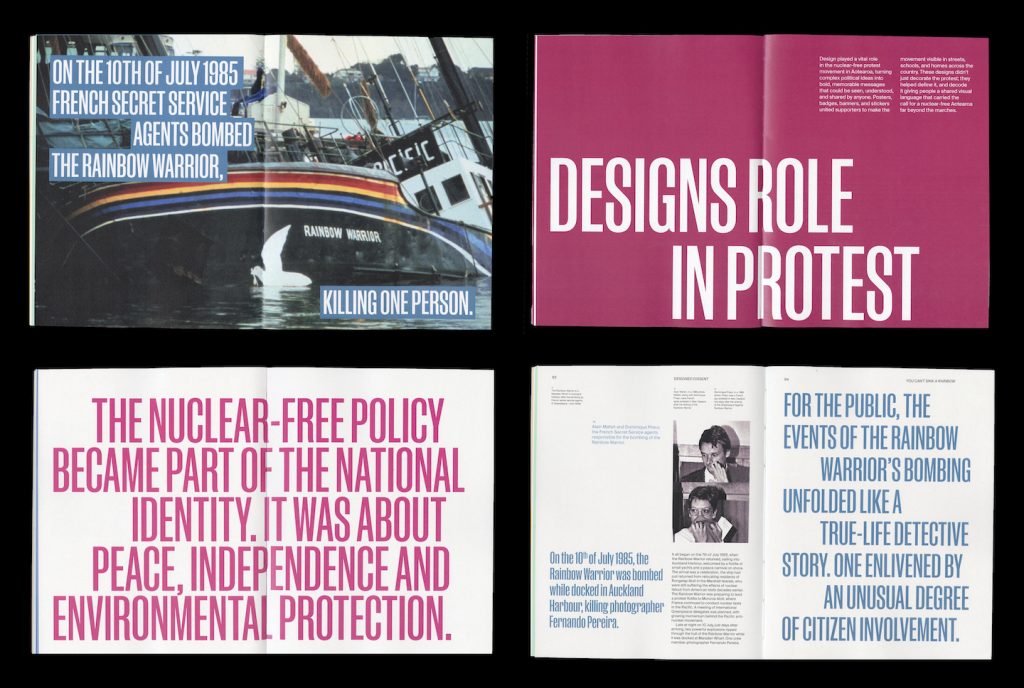
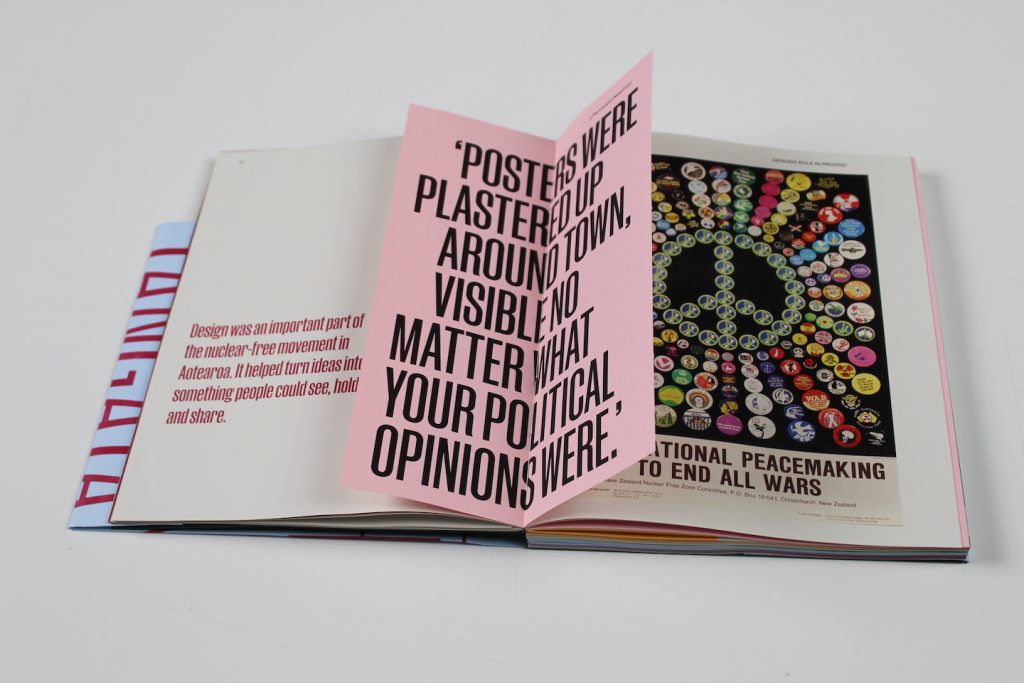
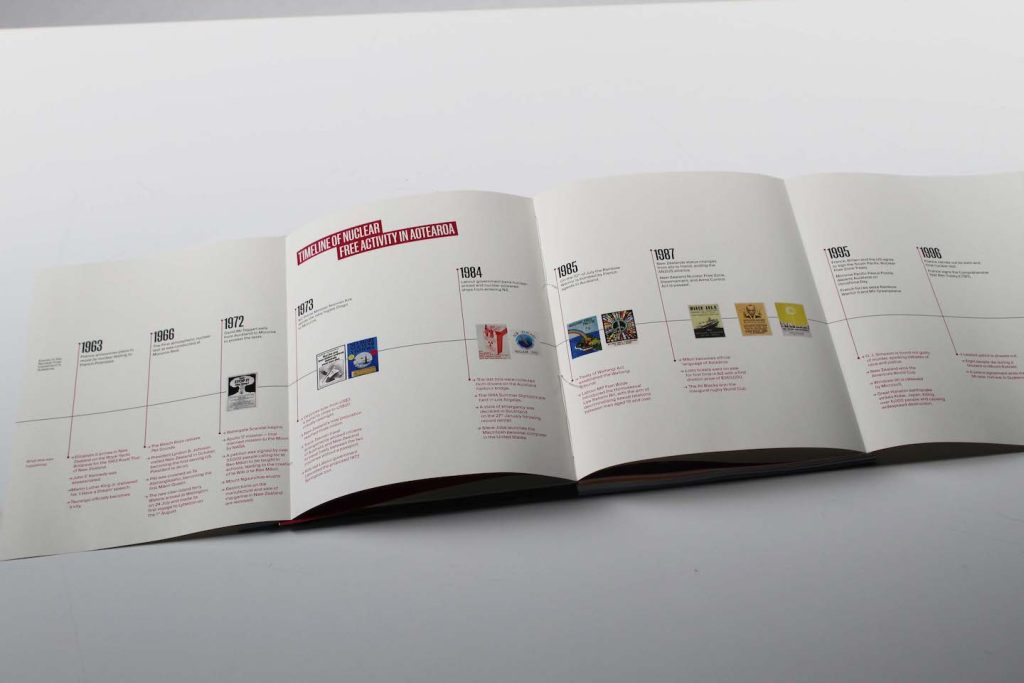
My Honours project, Designed Dissent, is an editorial design project that celebrates Aotearoa’s nuclear-free movement through the protest ephemera it left behind. While researching the history of nuclear-free protests in Aotearoa, I began to uncover a wide range of posters, badges, and other forms of ephemera. I was struck by how clearly these objects demonstrated the relationship between design and protest, and surprised that, as a young designer, I had encountered so little of this material before.
Much of this ephemera was scattered across different online archives, and lacked sufficient historical or design context, making it difficult to fully understand its significance. This gap became the catalyst for my project. Through editorial design, I brought together the visual language of protest with the historical context, highlighting the role of design in activism. Using bold, uplifting colours, interviews with designers and activists, and a call to create new protest ephemera, the book connects past movements with the present, encouraging young designers to see protest as powerful and relevant today.
What did you choose to study Visual Communication Design at Wellington School of Design Ngā Pae Māhutonga, Massey University?
I knew that I wanted to study some form of design, but coming from a small high school I wasn’t quite sure of the specific type of design that I wanted to pursue (as the only design options were Art, Photography or DVC). Back in 2022, the first year at Massey was very broad and you could choose a range of different design majors to try and see what interested you; this, combined with the fact that my DVC teacher in high school spoke highly of Massey’s design programmes, was the reason I chose to do the Bachelor of Design with Honours at Massey.
What did you enjoy most about the programme?
I’m so glad that I decided to study at Toi Rauwhārangi; not only do I feel like I learned so many valuable skills, but I have also created lasting relationships with my cohort and lecturers. What I loved about this programme was the sense of community and the hands-on nature of the course, combined with relatively small cohorts. By my third and fourth year, the lecturers knew us—our names, our interests, and our strengths and weaknesses. This really made it feel like a personal learning experience, not just a big lecture hall where you are only receiving one-sided information, but a conversation. The lecturers have so much valuable knowledge to share, and I feel like I have learned so much from my studies.
What was your biggest challenge while studying?
Like many, my biggest challenge whilst studying was navigating self-doubt and learning to trust myself. Learning not to let a bad grade define my skills as a designer, and by the fourth year learning to take what lecturers say as suggestions, not must-do’s. Having that fourth honours year to do a project of your choosing that is self-directed allowed me to feel a lot more agency over my work, and when that was successful I started to realise, okay, I did this, and I’m happy with how it turned out, so I must have some idea of what I’m doing!
Who (or what) inspired you to pick design as a career path?
I have always enjoyed making things, so pursuing a creative career was something I had definitely considered. However, the person who most inspired my decision to study design was my Year 13 DVC teacher, Demelza Round. During my final year of high school, Ms Round encouraged me to explore different areas of design not usually offered at my school, helping me create a personalised fashion/textile design subject during her free periods and my unscheduled class time.
Her trust in my abilities and willingness to support my creative interests allowed me to spend a lot of time doing design-related work that year, and I realised that it was by far the most enjoyable work I was doing. I was happy to lock in and put the time in to create things I was proud of. That experience played a significant role in my decision to pursue design in tertiary education.
Who is your favourite designer?
One designer I consistently admire is Gail Bichler, the Creative Director of The New York Times Magazine. Her approach to creative direction is really inspiring, particularly the way she combines bold imagery with strong typographic decisions to create engaging and often unexpected editorial layouts. I’m especially drawn to how her work sits at the intersection of print and digital design, navigating both with clarity and impact, which feels really relevant in editorial design at the moment.
What is next for you?
After a bit of travel this year I would love to join a design team that aligns with my values and works to make the world a better place, incorporating sustainability, tikanga and empathy into design. I’m hoping I’ll be able to find the time to do some design for myself, whether that’s a passion project or a book for whanau or friends.
Where can we see more of your work?
Ruby’s socials:
Instagram – instagram.com/ruby.makes.stuff/
LinkedIn – linkedin.com/in/ruby-ross-hayes-8457bb2b8
Portfolio – rubyrosshayes.com
School:
Instagram
Instagram.com/allaccesscoca/
Instagram.com/toi_rauwharangi/
Website – creative.massey.ac.nz/