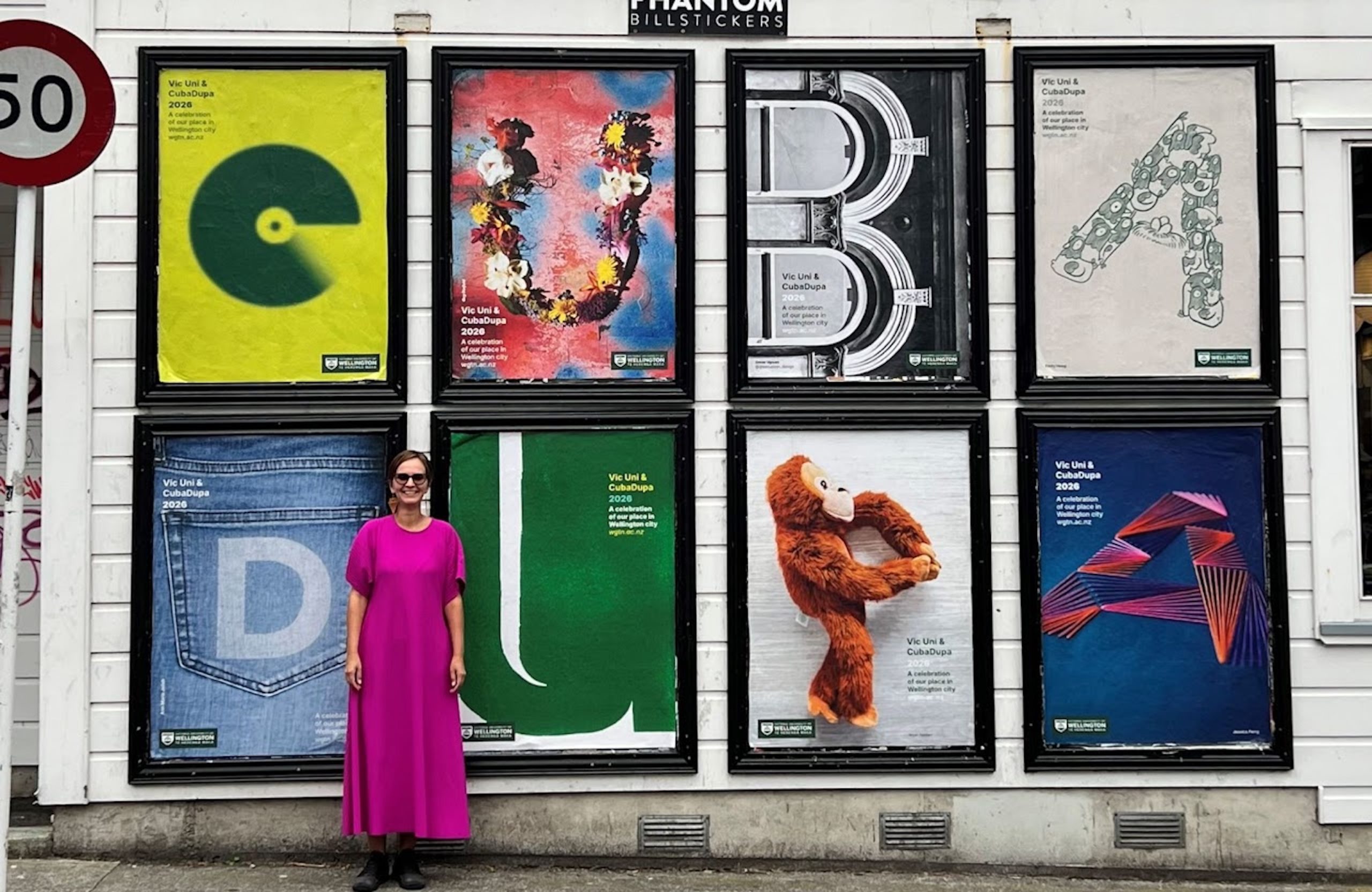
Five Minutes with… Liisa Tervinen
Members of Design Assembly make up a network of Friends working together to build a thriving design scene in Aotearoa New Zealand. Our ‘Five Minutes’ series profiles the breadth and depth of design practice in our network.
From studying design in the Arctic Circle to biomaterials, vegan food, cultural projects and life in Aotearoa, Liisa Tervinen’s career has taken more than a few interesting turns. Today we speak with the Design Club member about building a career sideways, embracing complexity and why making something happen is creative work too.
Tell us about your career background:
My career has not followed a straight studio path, but design has been the thread through all of it.
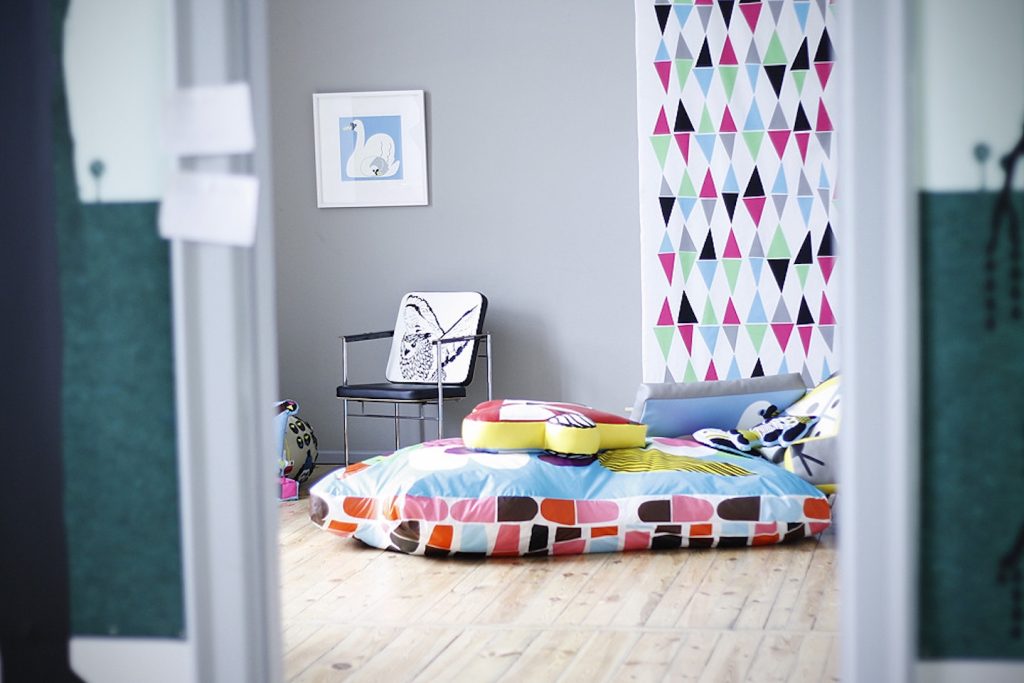
I studied audiovisual media culture at the University of Lapland in the freezing Arctic Circle, where Santa Claus and his elves and reindeers were also hanging out, and later completed a Master of Arts in New Media Design at Aalto University in Finland. I’ve always been supported by my family in pursuing my dreams and surrounded by creative peers who inspire one another. Early in my career, I co-founded creative and cultural projects, including a jewellery business, a brick-and-mortar design boutique, and a cultural agency.
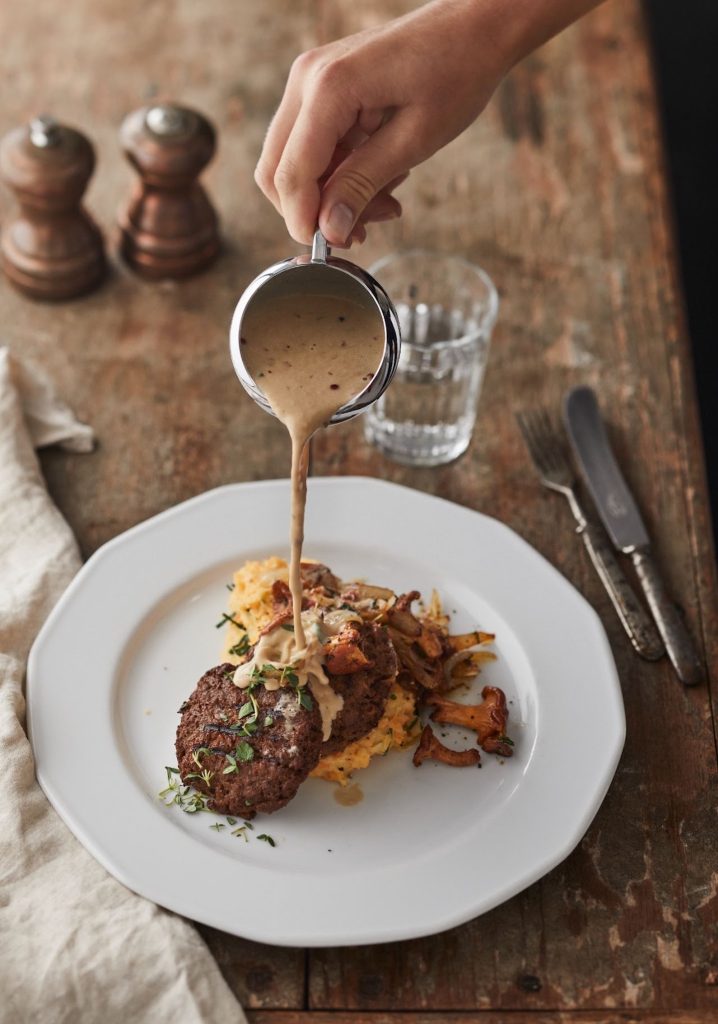
Since then, I have worked across design, communications, marketing, brand, cultural production, higher education, food innovation and sustainability. At Gold&Green Foods in Finland, I managed brand and design delivery for a fast-growing vegan food company, including packaging, product launches, campaign assets and international event delivery. I especially appreciated that the company was design-led by serial entrepreneur and innovator Maija Itkonen, and the innovation lab had seats for us designers. At Aalto University, I worked on design, science, and biomaterials communication with Professors Pirjo Kääriäinen (design) and Tapani Vuorinen (Chemical Engineering), helping to translate research into exhibitions, events, web content, video, and award-winning publications.
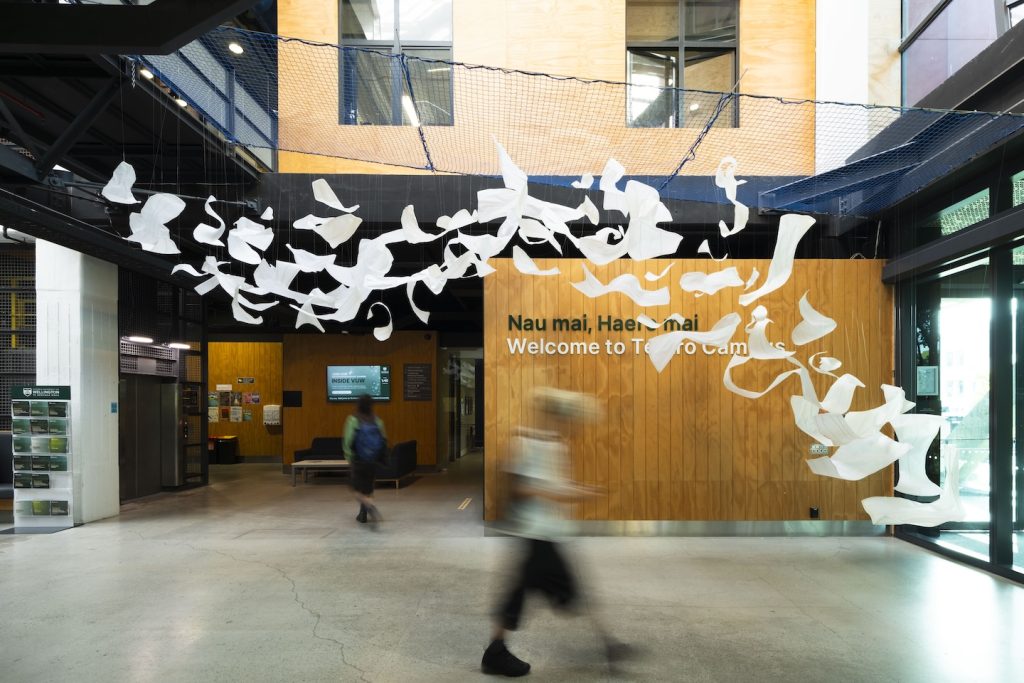
At Te Herenga Waka—Victoria University of Wellington, my work has focused on branding, communications, public engagement, audience development and design-led storytelling. I have worked closely with architecture, design, building science, humanities and social sciences, research, students, academics, artists and external partners.
The common line is that I often work where ideas are still messy or need development: turning specialist knowledge, creative ambition or early-stage concepts into something clearer, more useful and more public-facing.
Tell us about the studio you work in:
I do not work in a traditional design studio. My work sits between project management, branding, communications, design, production, strategy and public engagement. And I love its complexity.
In practice, that means I might be shaping a strategy, an annual plan, and a budget or leading a team. On the other hand, I’m not a stranger to working on a campaign, briefing a photographer, writing web copy, translating research into plain language, developing a public programme, managing a stakeholder group, negotiating partnerships, building a content pipeline, advising on brand experience, or helping a complex organisation speak more clearly to the people it needs to reach.
I enjoy that mixed space. I like working with designers, researchers, makers, writers, photographers, academics, producers and leaders, and helping bring different forms of expertise into one coherent outcome.
I also do board work and currently support the Thistle Hall gallery and its mission to empower people to connect, express, and realise their creative potential.
What does your design process and philosophy look like?
My process usually starts with three questions: what is actually going on, who needs to understand or act on it, and what would make the work useful to them?
I see design as something that can work at different levels. Sometimes it is about the visual outcome. Sometimes it is about the process, the service, the strategy or the way an organisation makes decisions. The more deeply design is used, the more value it should create. For me, design is about solving problems and serving a function, not just making things pretty. It should help people understand, decide, participate, use, attend, buy or care.
I am interested in clarity, but not in flattening complexity. Good design communication should respect the subject and make it easier for people to enter it. Many problems are not only visual or verbal problems. They are alignment problems, timing problems, trust problems, audience problems or decision-making problems. Much of my work is about creating enough structure for good creative work to happen.
What does a typical day in your studio look like?
There is not really a typical day, which is partly why I have stayed interested in this kind of work.
A day might include writing or editing content, meeting with the team or the clients and subject-matter experts, shaping a campaign idea, reviewing visual and other assets, briefing a designer or photographer, planning an event, solving a stakeholder issue, updating a web page, preparing a proposal, or checking whether the work still makes sense for the audience.
I move between strategy and hands-on delivery a lot. I like being able to understand the bigger picture, but I also care about the people doing the mahi, and I want to ensure they’ve got everything they need to both progress their projects and their careers.
What’s one thing that you would like all of your clients to know?
I would like clients to know that the safest option is not always the most responsible one. Real growth often requires doing something that feels uncomfortable: launching an idea that feels a bit too bold, choosing the option that is slightly outside the budget, changing the story, backing an unexpected direction, or letting the work become more visible than feels safe at first.
Good risk is not careless. It is considered, well-argued and connected to the goal. But there still needs to be a leap. Without that, organisations often end up with work that is polished, approved and forgettable. If your gut says the braver option is the right one, it is worth taking seriously.
What are your favourite tools in the studio?
My favourite tools are usually the unglamorous ones: a clear project plan, a budget spreadsheet, a shared folder that people can actually use, a strong image and video library, a realistic timeline, and a plain-language narrative that everyone agrees on.
In terms of digital tools, I use the usual mix: Adobe Creative Suite, Canva, CapCut, content management systems, EDM tools, social media platforms, spreadsheets, image libraries and project documents. But for me, the tool matters less than the thinking behind it. A tool is only useful if it helps people make better decisions or produce better work.
What are your favourite types of projects to work on?
I am most interested in projects that align with my values and contribute to a better world in some practical way. That might mean happiness, sustainability, material innovation, environmental work, public knowledge, education, cultural access, social equity, or supporting people and communities who are not always well served by existing systems.
I am especially drawn to work where design helps make knowledge more accessible or helps people understand why something matters. That is one reason I have enjoyed working across biomaterials, food innovation, higher education, public engagement and cultural projects.
I would love to do more work with material science, environmentally aware companies, research organisations, public-interest projects, or businesses that are genuinely trying to reduce harm and create value beyond profit. For me, the best projects combine purpose, complexity and usefulness. They ask design to do something real.
What project are you most proud of?
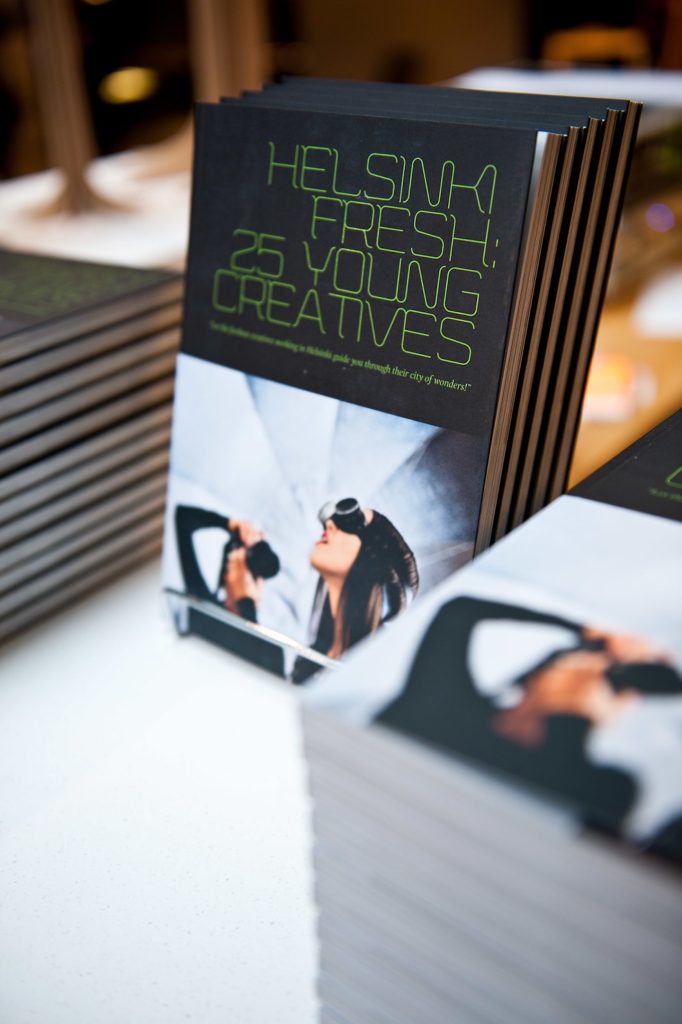
One project I am proud of is Helsinki FRESH, which I co-founded and produced early in my career. It promoted Helsinki-based fashion and design practitioners internationally through an exhibition, publication, partnerships and media activity in Berlin. It started as a creative idea and a venue connection, and became part of the Helsinki World Design Capital and DMY International Design Festival Berlin programme with multiple activations and high-tier partnerships.
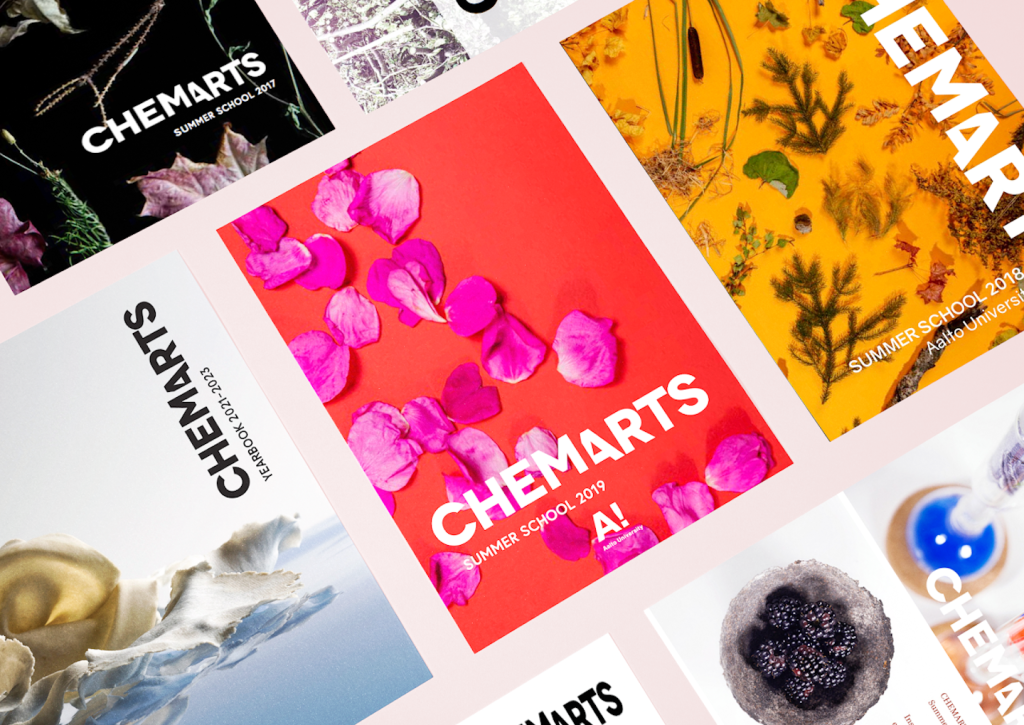
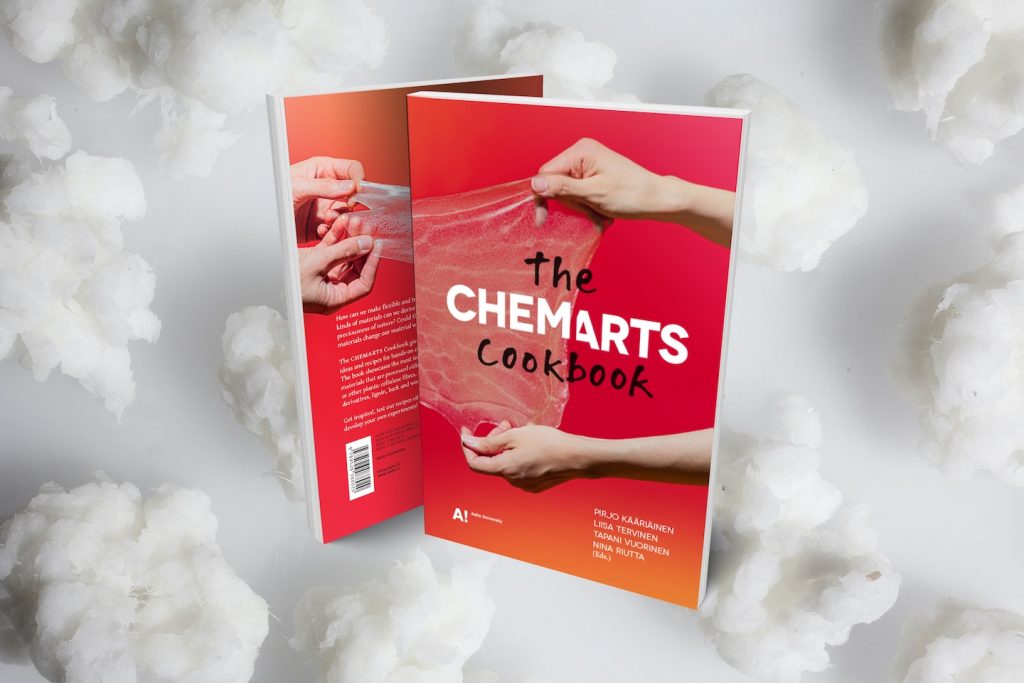
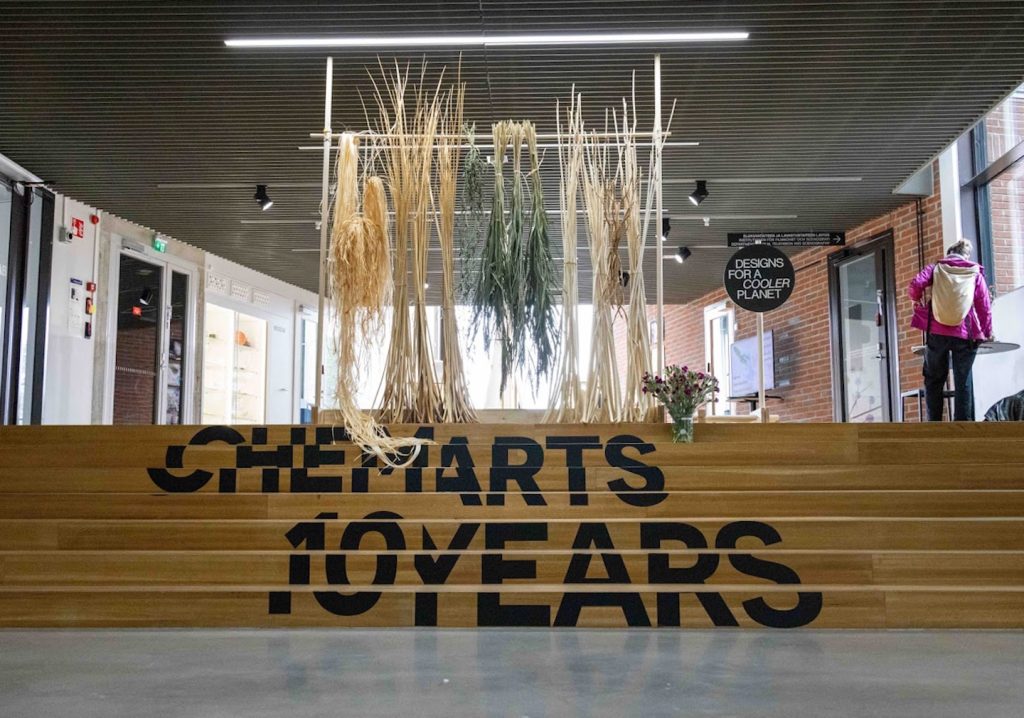
At Aalto University, I worked on design and biomaterials communication, including projects related to CHEMARTS and the multi-million-euro Design-Driven Value Chains in the World of Cellulose research initiative. That work sat between design, science, sustainability, exhibitions and public engagement. We also created multi-award-winning books that have since inspired people across the globe to create a better material future for all of us. An important part for me has been making that knowledge available for free.
They are very different projects, but both reflect the kind of work I like: bringing people, ideas, partners and public audiences together in a way that becomes visible and useful.
Do you have any advice about our industry for emerging designers or career changers?
Do not worry too much if your path does not look clean from the outside. Many useful design careers are built sideways. Get a mentor early or build a personal board of directors. Surround yourself always with inspiring people.
Learn to write clearly, listen properly, manage projects, understand business and budgets, and work with people who think differently from you. Those skills will make your design practice stronger, especially outside a traditional studio setting, and that’s where most of the jobs will be.
Also, do not chase perfection; there is no time for it in the real world, and do not undervalue production. Making something happen is creative work too. You got this.
Where do you draw inspiration from?
I draw a lot of inspiration from the people around me: former classmates, friends, colleagues and collaborators who keep making bold, thoughtful and generous work.
That includes people such as Linda Söderholm and Oona Colliander from Europe, and colleagues in Aotearoa New Zealand such as David Lewis, Zach Dodson, Nan O’Sullivan, David Hakaraia, Christine Ling, Kahira Shepherd, Heli Salomaa, Raqi Syied, Missy Molloy, Ted Whitaker, Kassy Hayden, Liz Thompson, Alexis Watts and Violette Squire. Their amazing mahi on projects across design, technology, research, environment, teaching, writing, events and exhibitions, outreach, publishing, public engagement and community keeps reminding me why it’s important to keep pushing the boundaries.
What hobbies or interested do you have outside of work?
My own projects often sit close to my work, so the line is not always clean. I am currently developing The Sauna Book: Aotearoa New Zealand, a long-form photography and interview project documenting everyday sauna culture across the motu. I am interested in how a very Finnish cultural practice changes when it meets Aotearoa culture, landscapes, communities and rituals here.
Where can people connect with you?
Portfolio: https://sites.google.com/view/liisatervinen
LinkedIn: https://www.linkedin.com/in/liisatervinen
Sauna book: https://www.nzsaunabook.com