Fresh From The Field: A Recipe for a Feminist Food System – By Sarah Elsie Baker and Meagan Bach
For the Designing Radical Futures symposium, Sarah Elsie Baker and Meagan Back turned mealtime into a playful, thought-provoking space for connection.
Fresh from the Field is a weekly article series sharing fresh and inspiring work from the Design Assembly community. Want to submit your work to Fresh From The Field? Fill out the form here.
The Brief
At Media Design School, we planned a one-day symposium on Designing Radical Futures. In light of climate collapse, rising inequality, geopolitical violence, and health risks, the event explored how design might move beyond narratives of “progress” and “problem–solution” that reinforce the status quo. Through speculative approaches, both national and international speakers considered how design could open pathways toward radical, sustainable, and equitable alternatives.
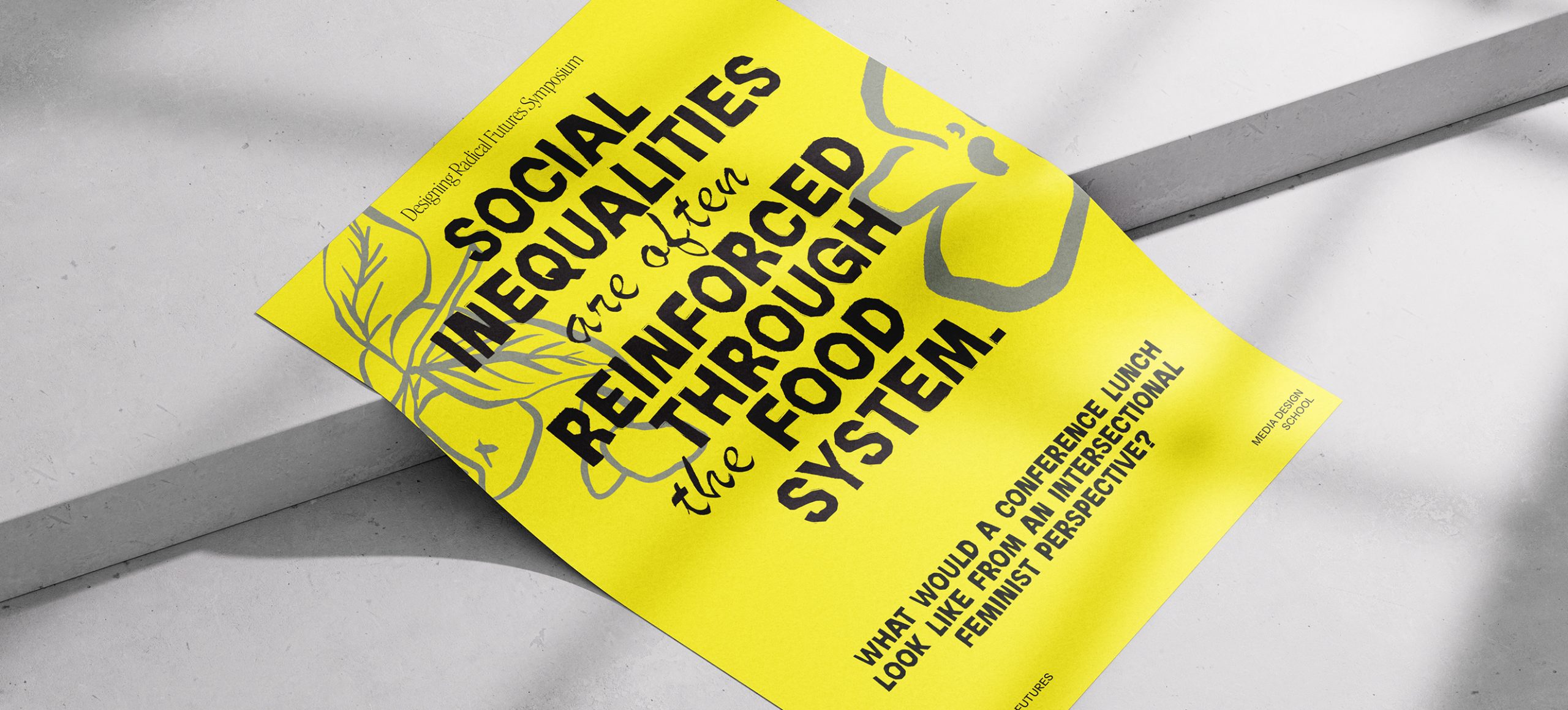
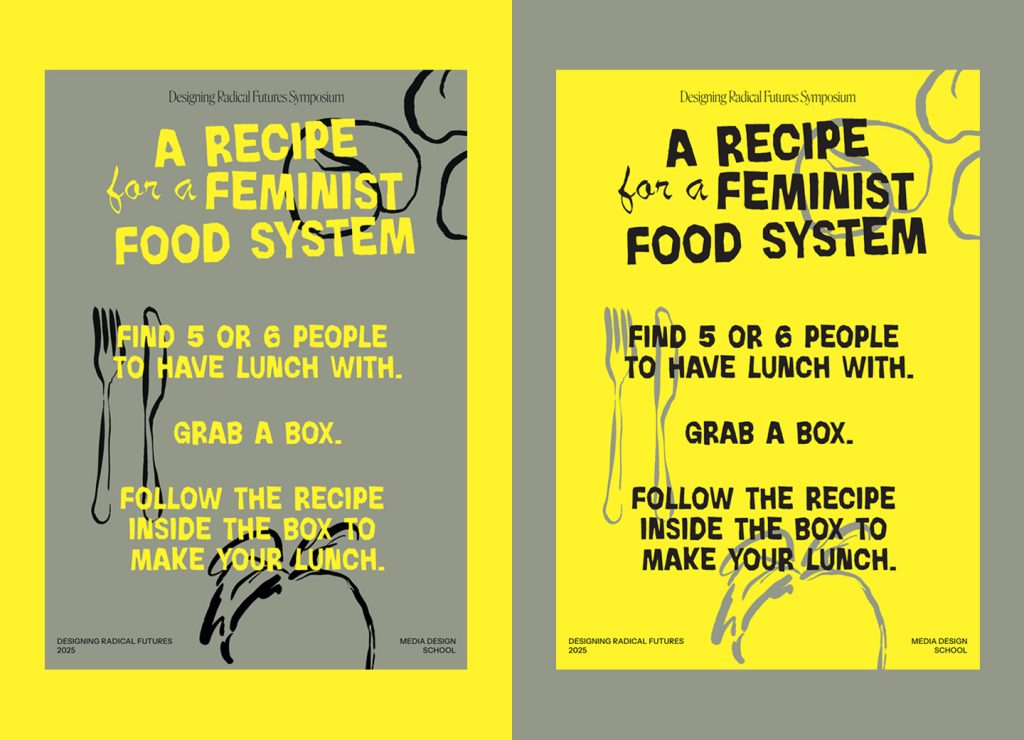
Reflecting on this theme, we felt it would be hypocritical to serve a conventional conference lunch. Drawing on our interest in feminist design approaches, we asked: What would a conference lunch look like from an intersectional feminist perspective?
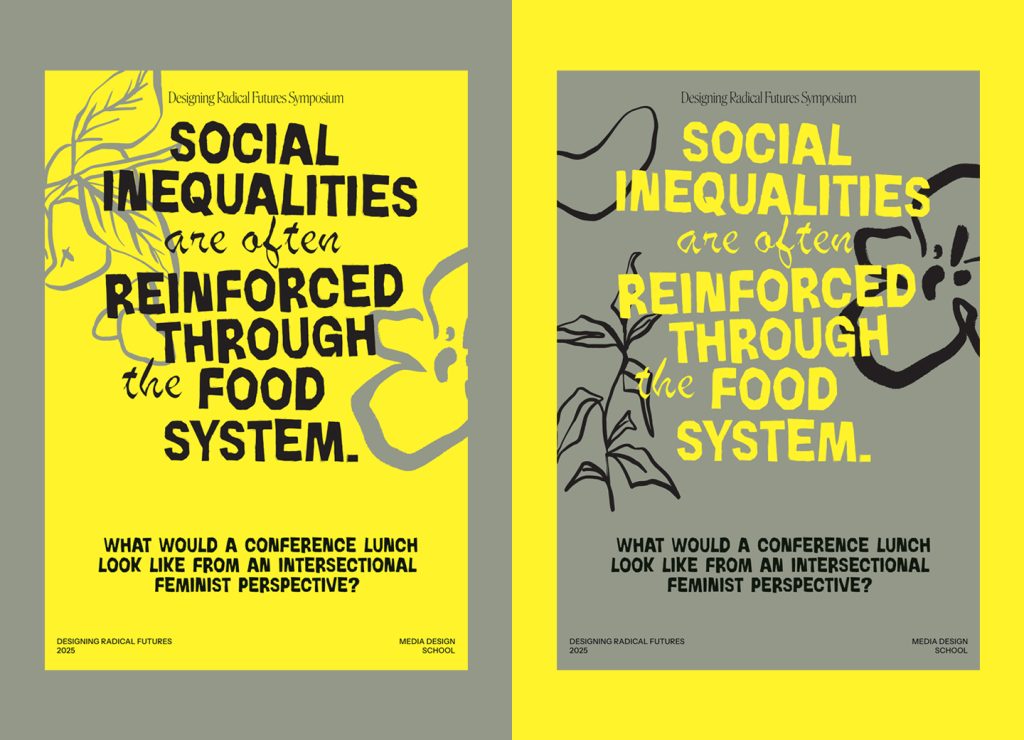
The design response
Both Meagan and I have long been interested in food and eating design, inspired by practitioners such as Marije Vogelzang and Bompas & Parr. We wanted to design an experience that resonated with the symposium theme while creating a playful space for connection.
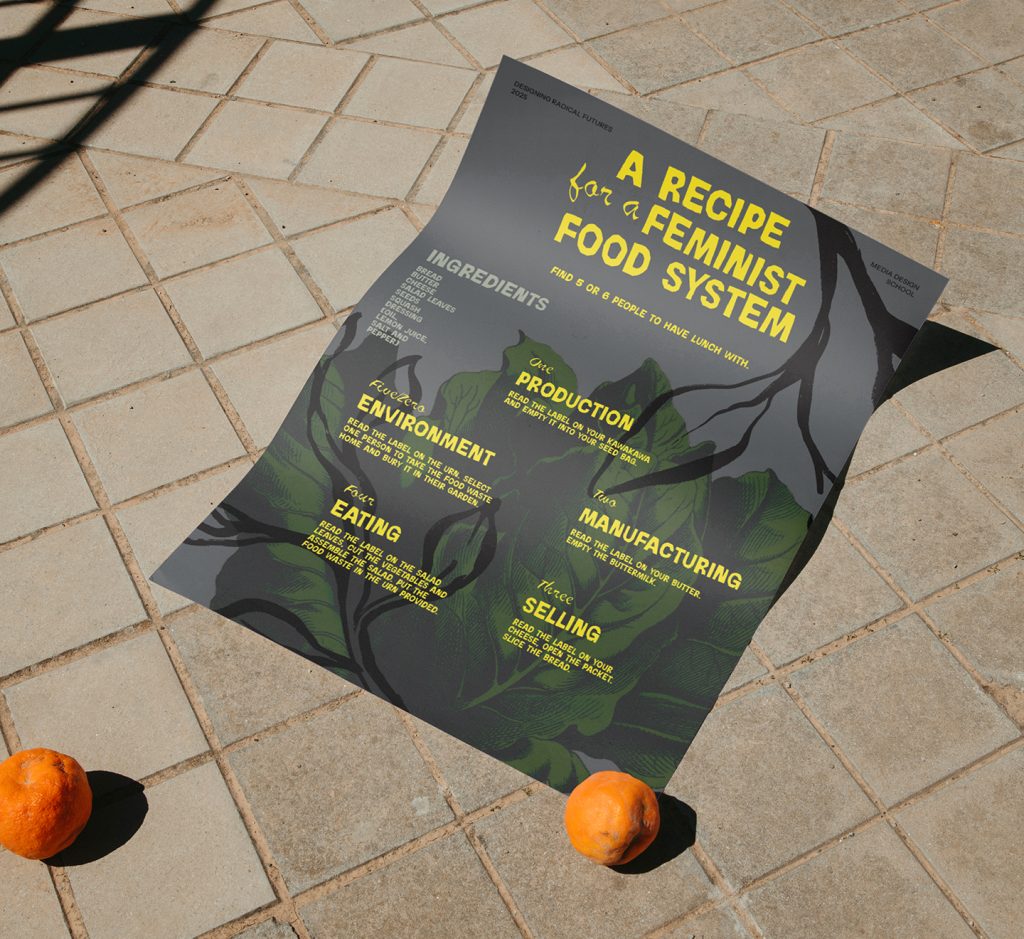
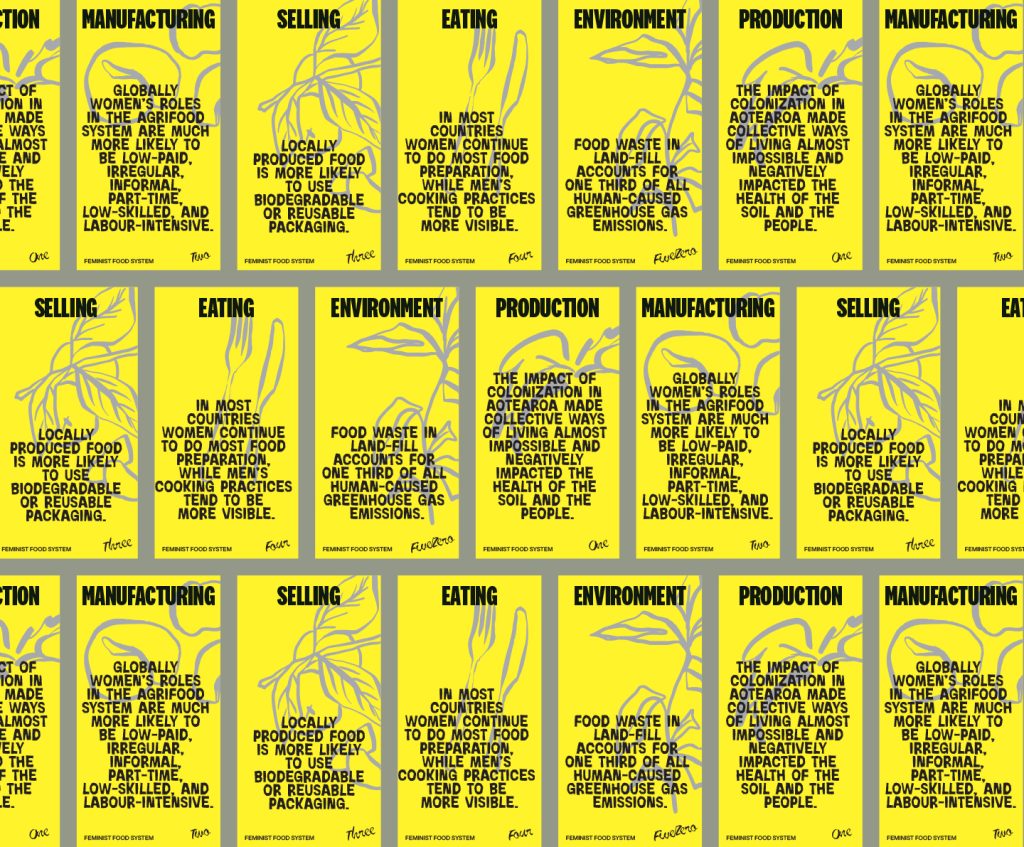
Our starting point was researching inequalities in the food system. We also consulted Emily King (https://www.spira.nz/about) to better understand ethics and the future of food in Aotearoa. From this, we designed a recipe that traced the stages of the food system—production, manufacturing, selling, eating, and environment—inviting participants to reflect on inequalities at each stage.
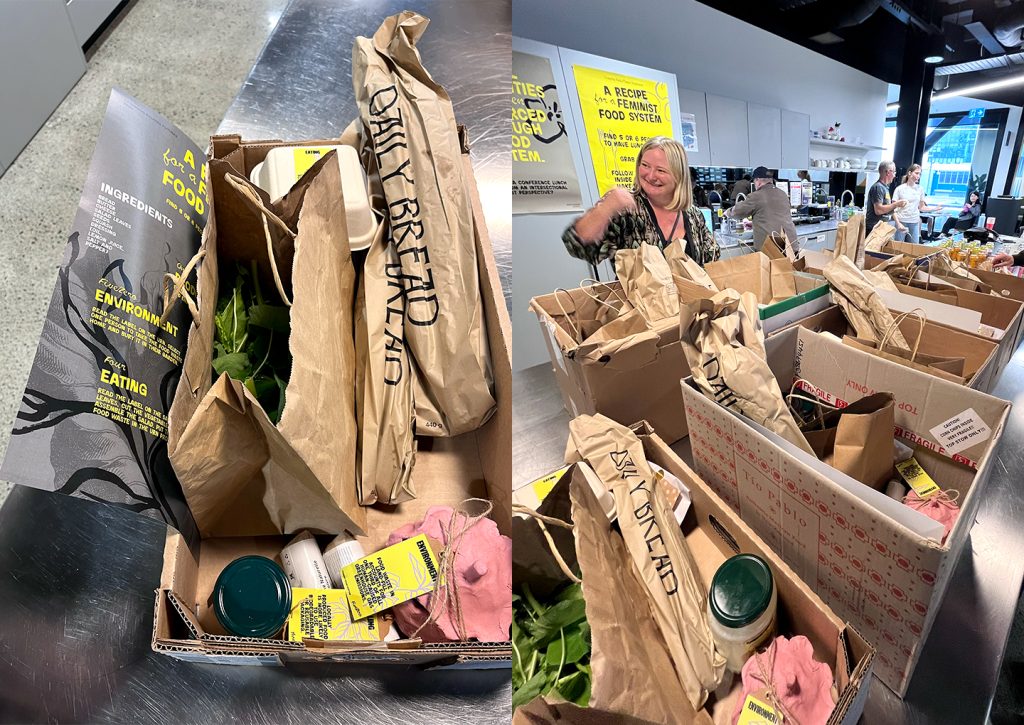
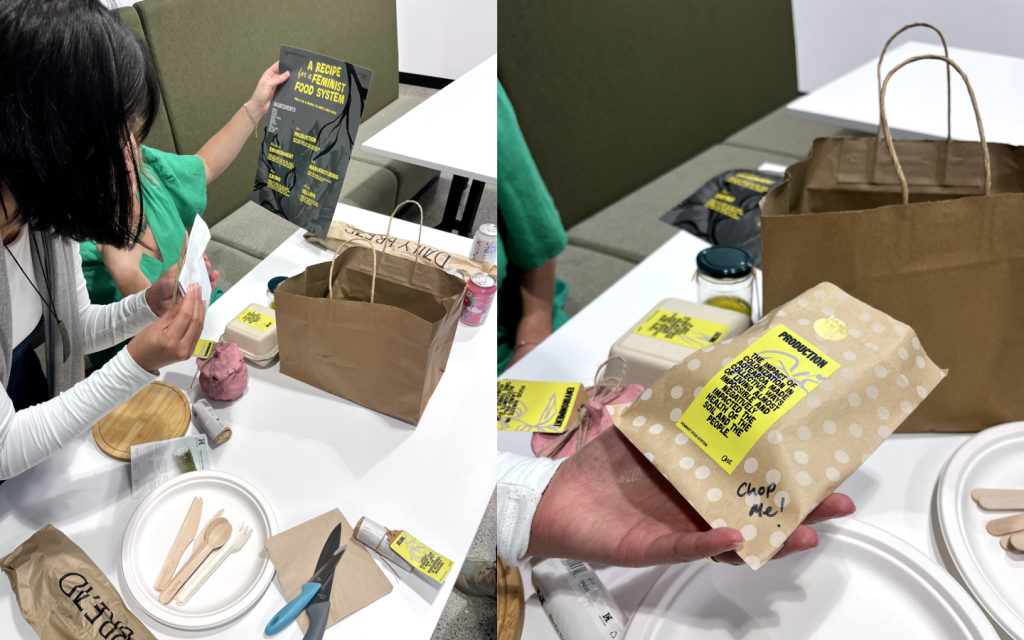
The experience began during the morning talks: participants were asked to shake a jar of cream to make butter, prompting reflection on the labour behind food manufacturing. At lunch, they formed groups of five, received a box, and followed a recipe to collectively prepare their meal.
• Production: Cutting kawakawa leaves and mixing them with seeds served as a reminder of how colonisation disrupted collective ways of living and damaged both the soil and people’s health.
• Manufacturing: Participants read a butter jar label noting that women globally are concentrated in low-paid, irregular, and labour-intensive roles in the agrifood system. They then drained the buttermilk and, if their morning effort succeeded, used the butter for lunch.
• Selling: Opening their box participants took out the cashew cheese, salad leaves, bread, and roasted pumpkin and were asked to reflect on how local foods tend to be packaged in biodegradable or reusable ways.
• Eating: They chopped and assembled salads or sandwiches, sharing the act of preparation.
• Environment: Food scraps were placed in a specially made clay pot, with one participant tasked to bury it at home, highlighting how food waste contributes to a third of human-caused greenhouse emissions.
The design worked both as a piece of critical design and as an embodied, multi-sensory experience of eating together. The event was low-waste, with highly local and mostly vegan ingredients. Feedback was overwhelmingly positive: attendees reported that preparing food collectively deepened their relationships.
We are eager to create more events like this—ones that call attention to ethical and critical issues while also fostering playful, communal spaces.
The design team
Dr. Sarah Elsie Baker
Website: https://drsarahelsiebaker.com
LinkedIn: https://www.linkedin.com/in/sarah-elsie-baker-136163127/

Design Assembly
Newsletters
Sign up below to receive design news and inspo
from across Aotearoa New Zealand.