2025 Hot New Things: Elisa Yiying Shen, University of Auckland
Design Assembly profiles a selection of the top graduates from the best Art and Design Schools in Aotearoa New Zealand. We welcome these talented emerging professionals to our industry, learn about their passions, final projects, developing creative confidence and ambitions for the future.
Elisa Yiying Shen recently graduated with a Bachelor of Design from The University of Auckland.
Find out more about undergraduate and postgraduate study options in art and design by visiting our Design Schools page.
Tell us a bit about yourself:
Hello, 你好!
I’m Elisa/Yiying, a recent graduate with a Bachelor of Design from the University of Auckland. My journey with design began in primary school, sketching anime characters and gradually evolving into creating my own designs in intermediate school. By high school, I fully immersed myself in creative fields, studying fashion design, graphic design, photography, and art history. These experiences nurtured my curiosity about the deeper purpose behind my creations and how design can shape the world around us.
Moving to Aotearoa New Zealand twelve years ago opened my eyes to diverse cultural perspectives and the transformative power of design. Through my academic and personal journey, I have come to view design as a way of understanding human needs, fostering connections, and inspiring change. It’s a practice that requires reflection, innovation, and the courage to challenge the status quo values I strive to carry into every project I undertake. To me, design is more than a profession, it’s a lens through which I approach the world and seek to make a meaningful impact.
What was the focus of your capstone project?
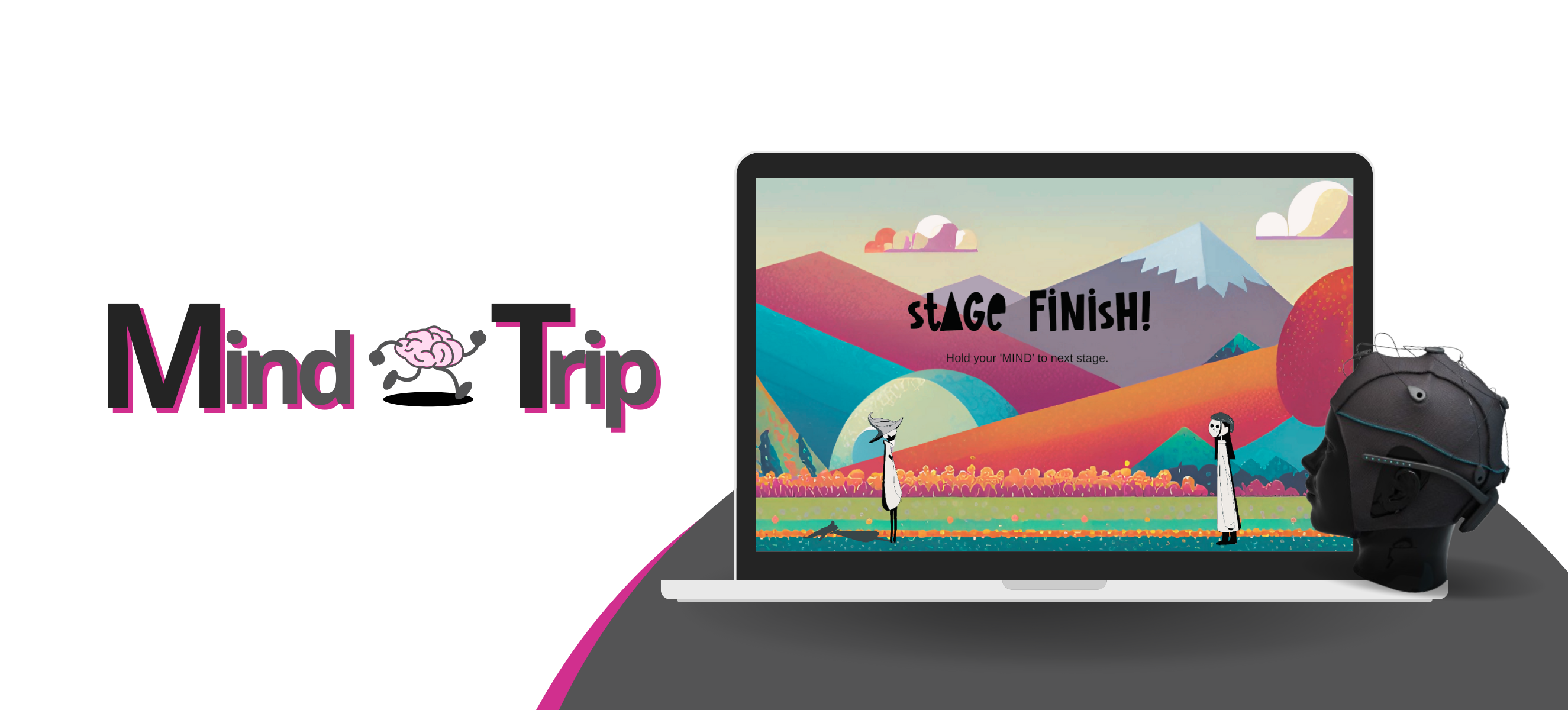
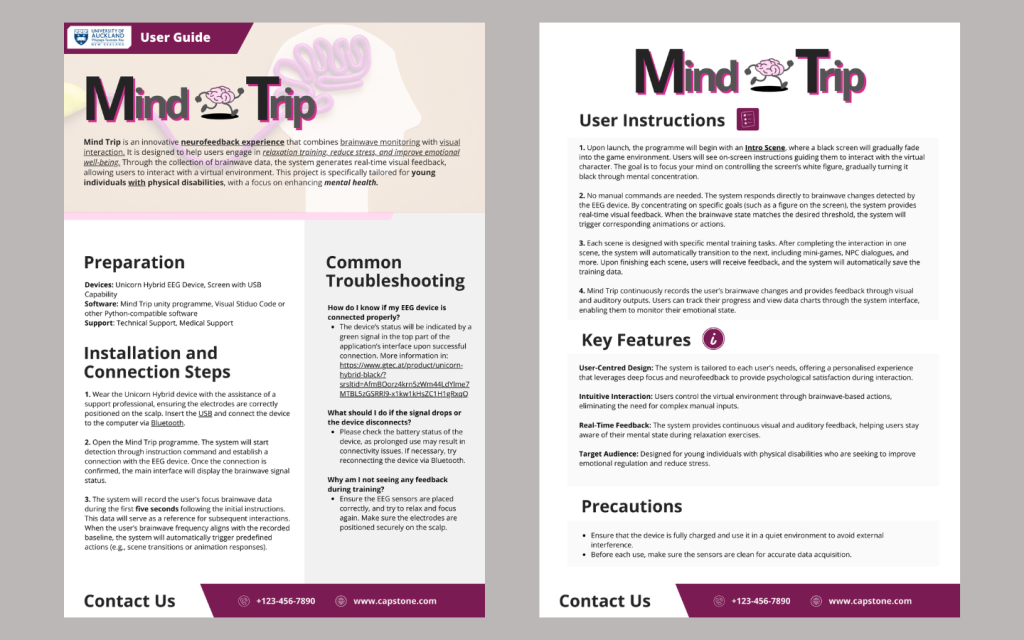
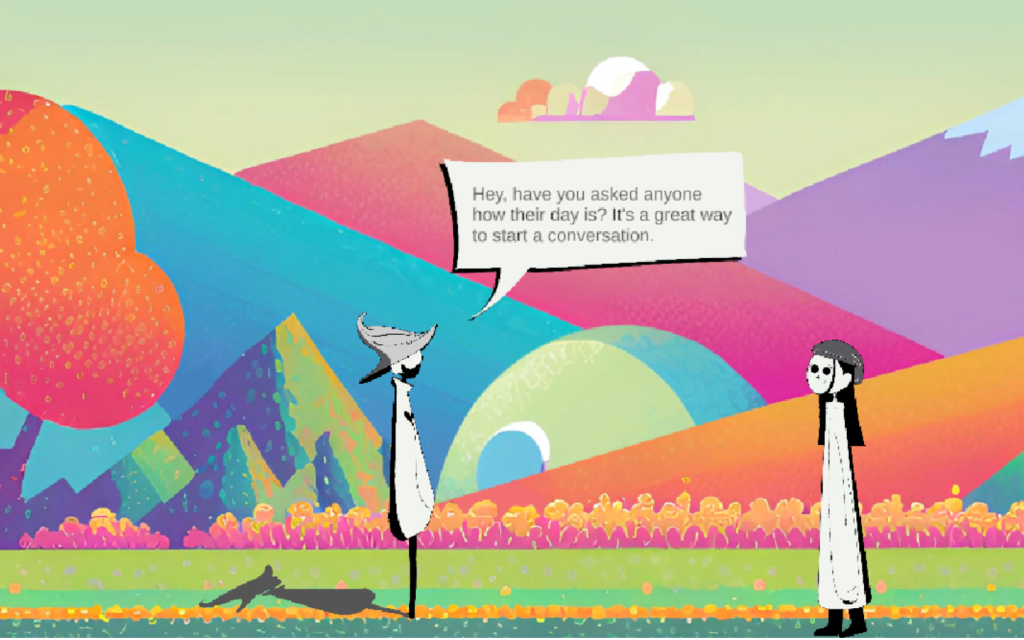
Mind Trip, was inspired by my desire to address the mental health challenges faced by young adults with physical disabilities in New Zealand. Disabled individuals often experience heightened anxiety and depression, yet their psychological needs are frequently overlooked in favor of addressing physical challenges. This motivated me to explore how technology could bridge this gap.
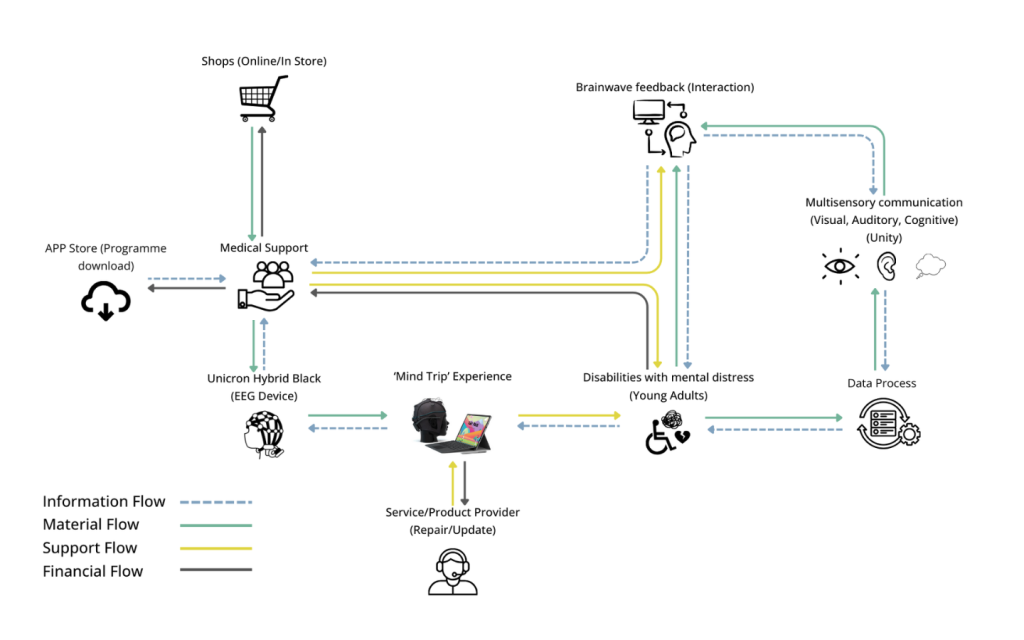
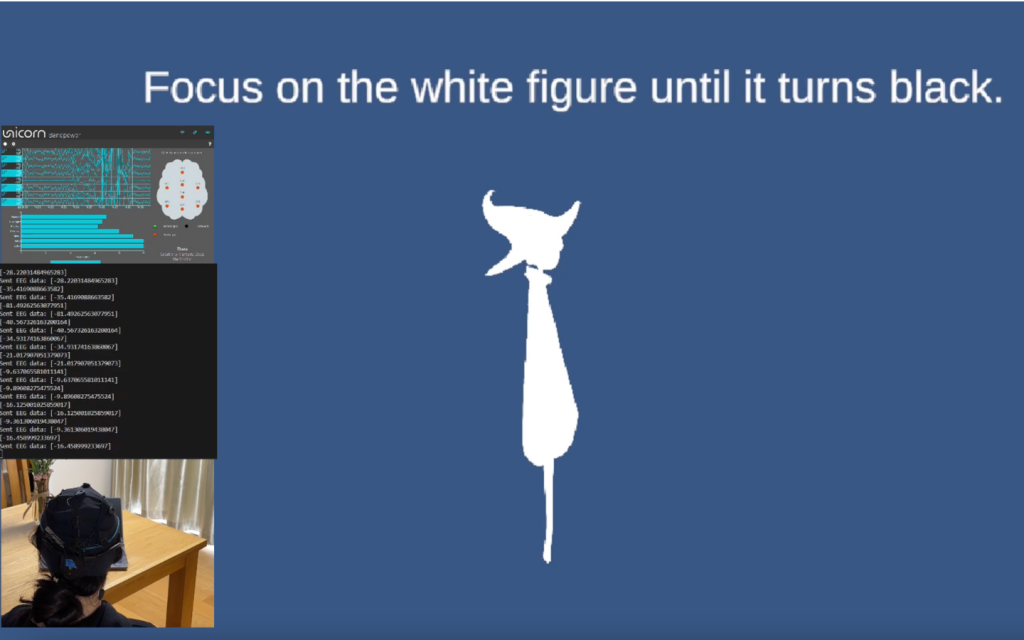
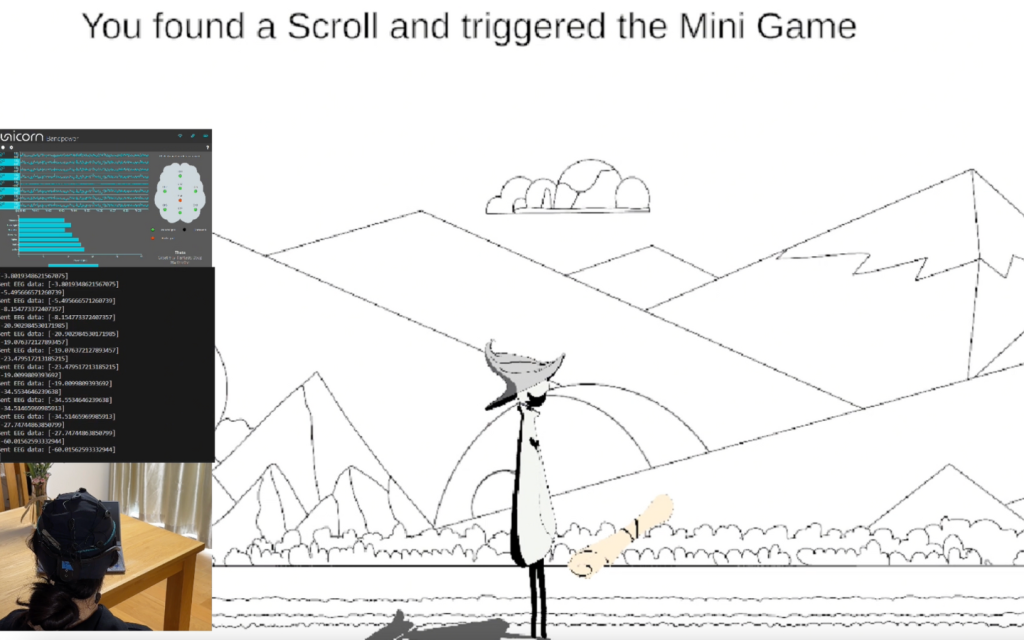
“Mind Trip” uses neurofeedback technology to track brainwave patterns, allowing users to engage in brain training exercises through a 2D visual program. By improving emotional control, practicing communication, and fostering a sense of achievement, the program empowers individuals to build resilience and manage stress in a non-invasive and accessible way. It offers an engaging, gamified experience that encourages users to take an active role in their mental well-being.
This project was about restoring agency and connection for people who often feel powerless. Designed with accessibility in mind, it emphasizes inclusivity by minimizing physical input requirements, making it usable for those with limited mobility. I hope “Mind Trip” can help users achieve greater emotional stability, build confidence, and enhance their overall quality of life./
Why did you choose to study design at UoA?
When I was in my last year of high school, I started exploring university courses and stumbled upon the University of Auckland’s new Bachelor of Design program. What really caught my attention was how the program aimed to tackle real-world societal problems while putting people at the center of the design process. That focus on human-centered design felt so meaningful to me, it wasn’t just about making things look good but about creating solutions that truly make a difference.
What did you enjoy most about the design programme?
The opportunity to be involved in projects from the initial concept all the way to the final outcome. Following a structured methodology allowed me to experiment in various areas of design, from ideation and prototyping to execution. This hands-on approach taught me how to approach challenges creatively and practically while seeing my ideas come to life.
One of the highlights was the flexibility to build a personalized study plan through elective courses. This meant I could explore topics that aligned with my passions and career goals, giving me a sense of ownership over my education. I also found it inspiring to learn from industry professionals who were true experts in their fields. This program gave me a solid foundation while encouraging me to grow, experiment, and develop my unique approach to design.
What was your biggest challenge while studying?
Adapting to the transition from the structured environment of high school to the more independent and open-ended nature of university. In high school, everything was clearly laid out; multiple tests, homework, and deadlines kept me on track. But when I started the Bachelor of Design program, I found myself struggling in the beginning stages. The freedom to explore ideas and manage my own time was exciting but also overwhelming, and I often felt lost trying to figure out how to navigate this new way of learning.
It took me a long time to adapt and develop effective time management skills. I had to learn how to set my own goals, prioritize tasks, and stay motivated without constant guidance. At first, it was frustrating, but over time, I came to appreciate the freedom to think creatively and take ownership of my projects. Looking back, this challenge was also one of the most rewarding aspects of my journey, as it helped me grow as an independent thinker.
What inspired you to pick design as a career path?
Growing up, I was surrounded by voices telling me I needed to be successful, impactful, kind, and many other things that defined the ideal career path—such as becoming a scientist, doctor, lawyer, or even an astronaut. The pressure to meet these expectations made me try hard to fit into those roles, but deep down, no one really asked what I wanted to be.
When I moved to Aotearoa New Zealand, I spent half of my life here, struggling to figure out who I truly was and what path I should follow. One day, in a conversation with a friend about my confusion, she casually said, “Then just be yourself. They’re just trying to make you to reach their goal, but not yours.” That moment was a turning point. It made me realize that I could pursue a career that allowed me to be diverse and explore my passions. Design became my answer because it’s not just about painting; it’s about creating across various fields includes technology, food, music, and much more. That’s when I knew design was the right path for me.
What’s next for you?
I’m excited to explore my interests further, particularly in the intersection of future technologies and human-centered design. I’m fascinated by how innovative technologies can create meaningful, user-focused experiences, and I want to continue pushing the boundaries of design in these areas.
In the near term, I’m looking for opportunities to gain hands-on experience, whether through an internship or as a junior designer in a relevant design field. I believe this will help me grow professionally, refine my skills, and deepen my understanding of how design impacts the real world.
Looking further ahead, if I feel the need to expand my knowledge and expertise, I’d love to pursue a higher degree to strengthen my foundation and explore new design methodologies. For now, I’m eager to embrace opportunities that allow me to create impactful designs while continuing to learn and grow as a designer.
Where can we see more of your work?
Instagram or Wechat: shenyiying1010