2025 Hot New Things: Joey Charles, Ara Institute of Canterbury
Design Assembly profiles a selection of the top graduates from the best Art and Design Schools in Aotearoa New Zealand. We welcome these talented emerging professionals to our industry, learn about their passions, final projects, developing creative confidence and ambitions for the future.
Today we speak with Joey Charles who recently graduated with a Bachelor of Design (Visual Communications) from Ara Institute of Canterbury. Find out more about undergraduate and postgraduate study options in art and design by visiting our Design Schools page.
Tell us a bit about yourself:
I was born in Aotearoa New Zealand and moved to Vietnam during my early childhood. I struggled with apraxia of speech and was incoherent. This grew my passion for art & design, forcing me to visually communicate from an early age. Being overseas at the time, my speech therapist was American, hence my slight accent now.
I’m an avid pop culture fanatic who definitely keeps up with the Kardashians. I spend way too much of my pastime watching shows, listening to music and loving all things digital. It felt natural going into graphic design as a career. I feel it allows me to be creative in a structured manner.
What was the focus of your graduating project?
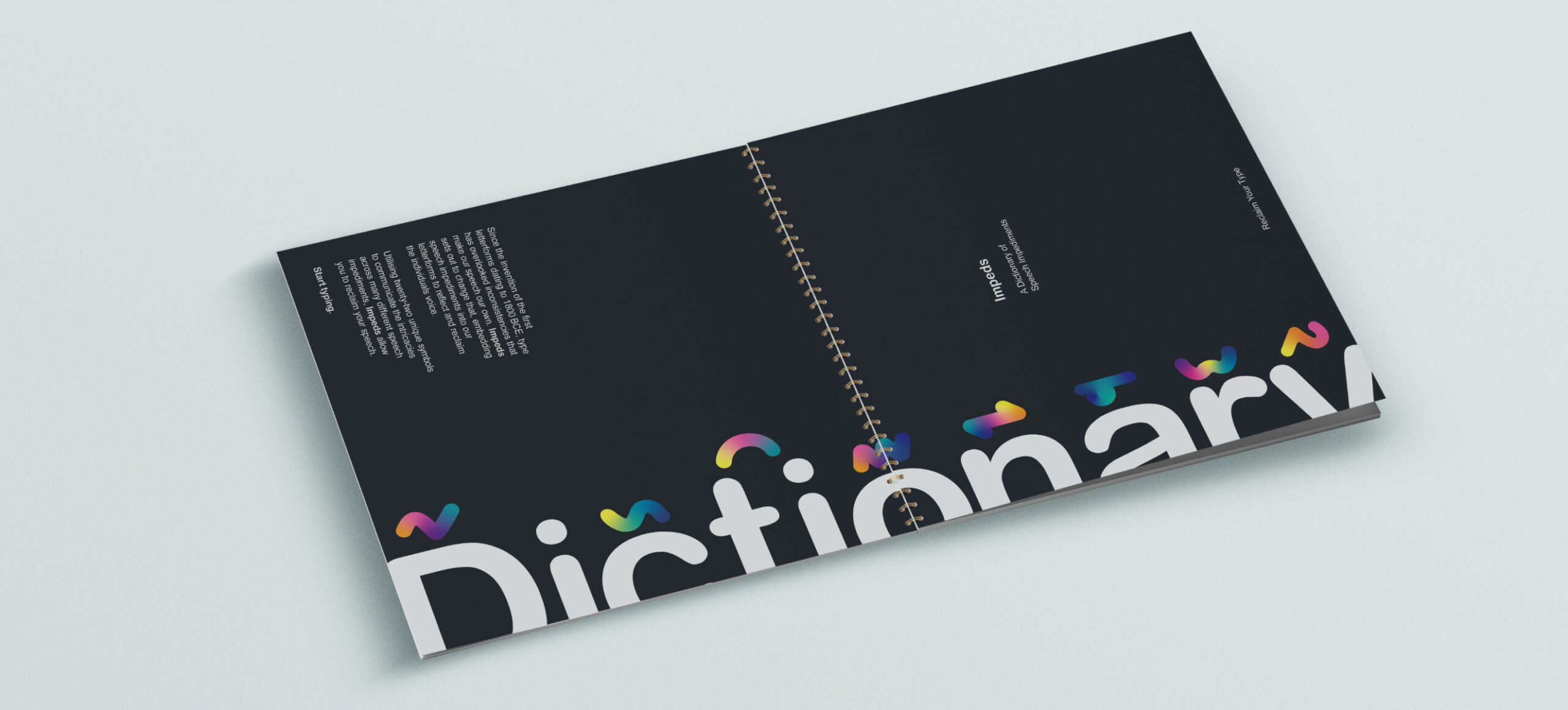
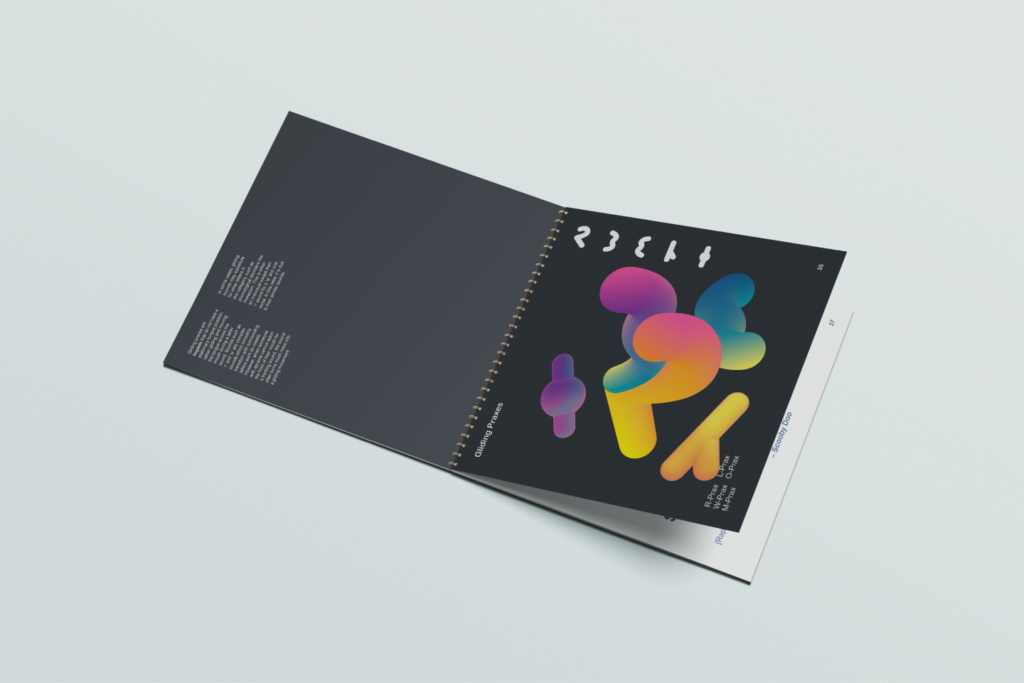
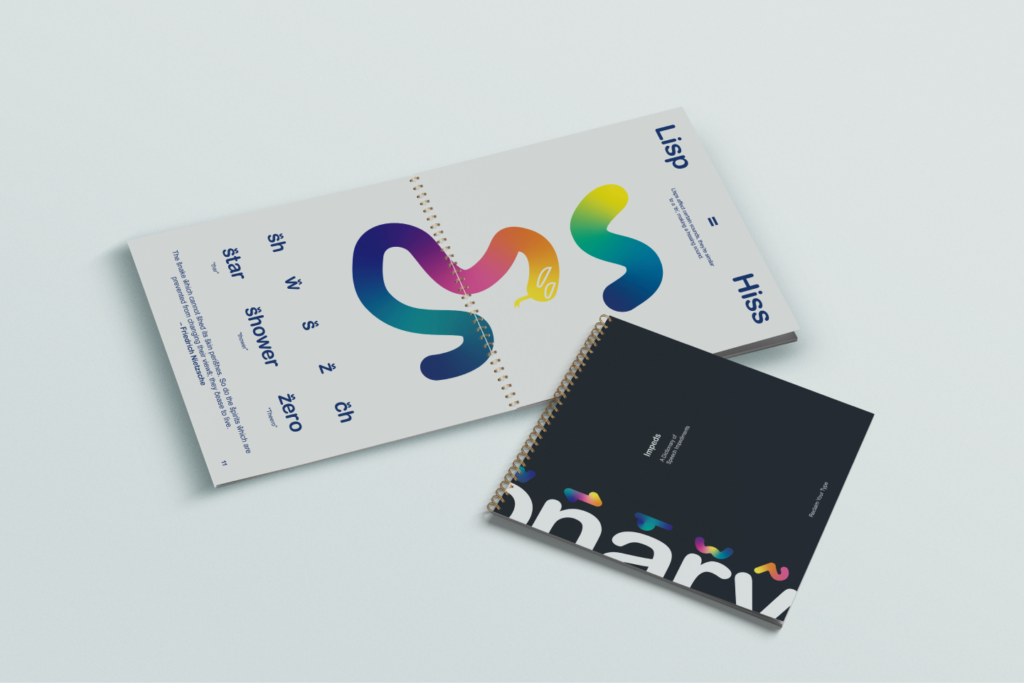
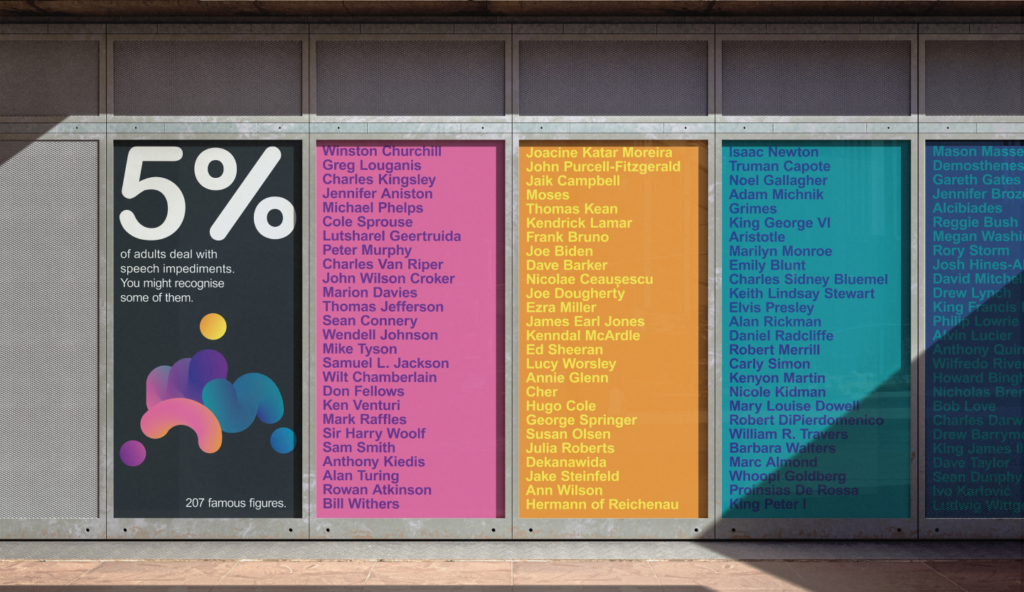
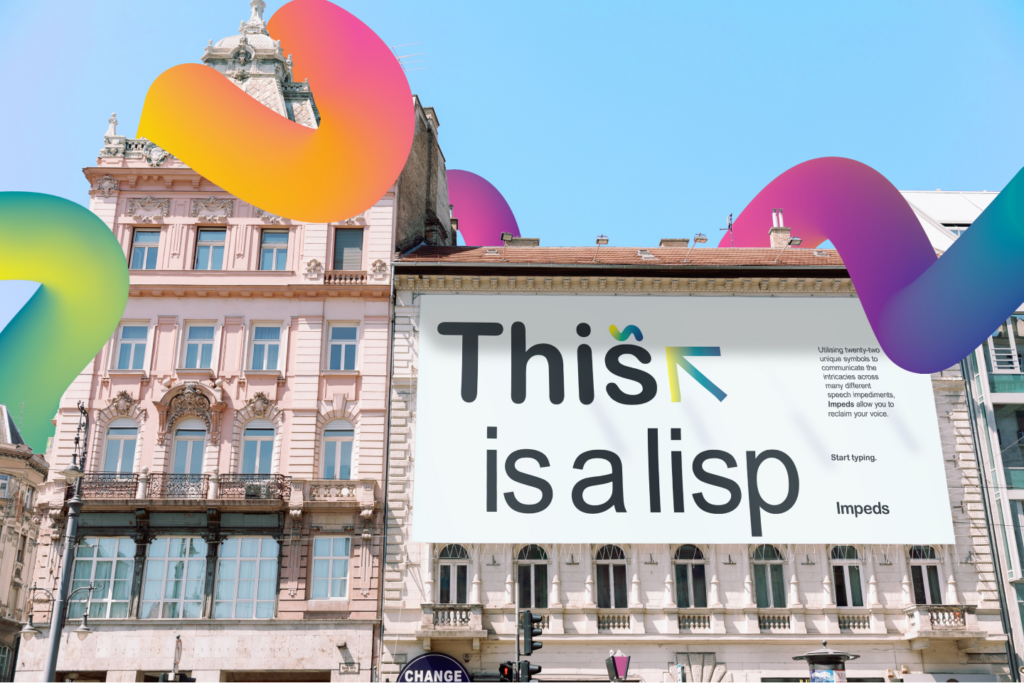
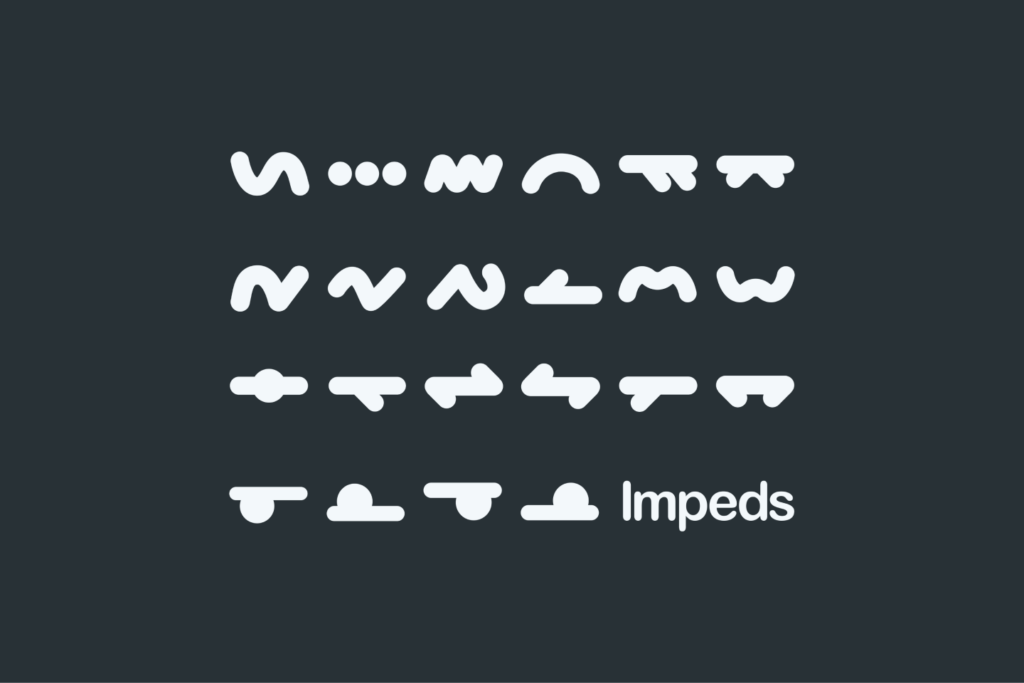
Due to my experience with a speech impediment, I created a set of diacritic symbols—called Impeds—that alter pronunciations. Impeds showcase twenty-two unique symbols that represent any individual speech impediment. These symbols allow writers to express lisps, stutters, and other speech patterns, whether their own or those of a character in the media. The ability to illustrate these speech patterns in written form—such as in subtitles for deaf individuals or to improve Siri and Alexa’s clarity around impediments—is necessary for enhancing accessibility. This helps normalise these mannerisms and build confidence in speech-impaired individuals. Impeds are perfect for making initial connections on LinkedIn, Instagram—and maybe even Tinder? Enabling you to reply proudly as the most authentic version of yourself by reducing harmful assumptions and preconceptions.
Why did you choose to study design at Ara?
Due to its industry connections and the possible internships, something other educators weren’t providing. Originally I wanted to pursue applied visual arts to continue with my painting, but during the interviewing process with Graeme Kyle (an Ara tutor), we decided I’d be best fit for the Visual Communications Degree.

What did you enjoy most about the design programme?
The biggest takeaway from this course has been the collaborative work with peers, utilising each other’s blunt constructive criticism. Being in a classroom with other creatives has pushed the quality of our work massively, being able to bounce ideas and learn new things constantly. Working together on client work and attending events such as the Canterbury Tech Summit, were extremely helpful and eye-opening opportunities.
I also enjoyed the self-directed briefs. I found them as an opportunity to make well structured design work which reflected on myself. Often, I would use these briefs to make positive work reflecting on lgbtq+ topics and other social movements.
For an unexpected discovery, I found out the student cafe sells all their leftovers for cheap on a friday. Top tip.
What was your biggest challenge while studying?
Living rurally makes studying hard. I found balancing a job with classes harder as I had to pay for so much fuel for transport. Although I found during projects I learnt how to work remotely from home and how to communicate effectively through a screen. Despite being a struggle, it was always the best ideas which came to me during those long car rides down state highway one.
What inspired you to pick design as a career path?
Graeme Kyle (the Ara tutor who interviewed me) was my biggest inspiration, essentially choosing Visual Communications for me. He bluntly told me I would enjoy Visual Communications more than Applied Visual Arts, and he was right. Despite his huge impact on my future, he cannot confirm this story as he doesn’t remember. Outside of this, I have a slight lineage of architects in my family. Architecture was an interest of mine, but felt lack-lustre to me. These family members were a huge inspiration to not do architecture as I wanted to venture into something by myself, forming a career from no connections. Now with my degree going so well, my dad is not quite sure who will take over his business.
Who are your favourite creatives?
Not Another Studio in Sumner. The works posted on their website quickly became my personal mood board for my final project. I admire their positive impact on the community, producing social campaigns even on the most awkward topics. I really learnt what kind of work I want to produce because of them, tackling hard problems and important topics for an inherently good impact.

What piece in your portfolio are you most proud of?
Despite not having much to show for it, my work with Canterbury Tech is the work I am most proud of. During this time I had fully taken over the client-side of this project from my tutor—Carl Palvetich. It was an amazing insight into the pace industry, where I worked closely with Louisa Taylor to produce a brand pitch presentation. This later was delivered to the board and officially is the first rebrand I have gotten signed off. Although the work might not be quite as passionate as others such as Impeds or my Alan Turing Exhibition, there is no feeling parallel to those milestones. Having a real brand out there, having it announced to hundreds of people during the annual Tech Summit, and the networking opportunities around it were amazing.
What’s next for you?
My biggest aspiration is to develop Impeds into a usable resource. If any type foundries, tech companies or multi-billionaires want to make it happen, send them my way. I genuinely believe what I have worked on has a place in the world.
Apart from my final project, I aim to be in a position where I can make more good design. Not just design with good technique but also with a good, positive impact. I have no idea at this stage where, when or who that might be with, but eventually I’ll stick somewhere. Until then I might try and have my hand at some charitable design work.
Where can we see more of your work?
My Portfolio, LinkedIn, and Instagram.