Five Minutes with Jerry Beale
Members of Design Assembly make up a network of Friends working together to build a thriving design scene in Aotearoa New Zealand. Our ‘Five Minutes’ series profiles the breadth and depth of design practice in our network. Today we speak with our Friend Jerry Beale about his carreer and how it came to be.
Our Friend Jerry Beale has journeyed through many worlds, from the Royal Marines to global creative leadership, each chapter shaped by curiosity, courage, and heart. Today, he brings authenticity, empathy, and a deep respect for culture and connection to every brand story he helps shape.
Tell us about your career background:
My first career was as an officer in the Royal Marines in the UK. But after a decade of service and some life-changing experiences, various things prompted me to change direction. I spent a couple of years running a farm in the west country of England, doing assorted dodgy private security and quasi-freelance military assignments whilst actually trying to become a journalist. Then a quirk of fate saw me start as a copywriter at Saatchi & Saatchi in London. Always restless, after a couple of years, I moved to NZ with Oglivy, then to the USA in various Head of Copy then Creative Director roles. A return to NZ saw me move to Hong Kong and Singapore where I was asked to move into planning and strategy and lead the region as Creative Strategy Director. Various moves followed, including Melbourne then back to NZ with Saatchi, TBWA and being part of the original team that established indie True in Auckland. Today I operate as an independent brand strategist and communications / content planner. I’m lucky to have a fabulous base of clients that include agencies and direct client relationships in New Zealand, Australia, the USA and Asia.
Tell us about the studio you work in:
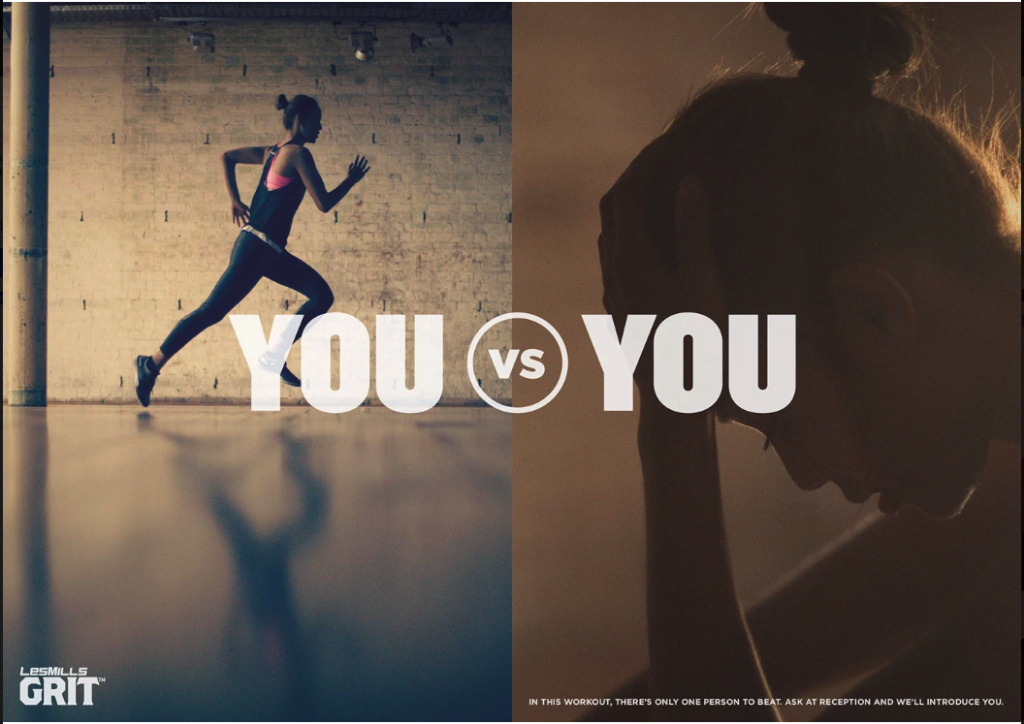
As a brand strategist and planner, I bring a lot of tools. I have worked with pure design agencies, advertising shops, digital and PR agencies. I’m a reasonably experienced qualitative researcher, comfortable both designing, conducting then analysing research. I also trained in sociology and applied psychology so look at briefs from a wider human angle – what are people feeling and needing? How can the brand position itself authentically to meet these? What’s the language (both verbal and visual) that will support this? Where is there meaningful differentiation? In design terms, how does the brand relate to culture or cultures? What does it contribute to changing or improving something in our audiences’ lives?
What does your design process and philosophy look like?
I don’t have any fixed process other than doing a lot of listening and observing early on. Somebody once characterised my role as ‘asking difficult questions’. I get involved in a wide variety of projects, from creating a set of single-minded set of propositions for an ad campaign, to laying the groundwork and shaping the substance of an entirely new brand, to working with international brand owners on ways to sharpen what their brand stands for and how it can connect more deeply to customers, to working with a NZ-based international brand to evolve their employer brand to attract better candidates for key roles.
Whilst I trust my instincts and experience, I also absorb a ton of different research from commercially focused studies through WARC to more socially and culturally oriented research from people like Furtherandfurther in the USA. I also like learning about semiotics and how they can inform what we do. Plus nothing beats getting out on the street and talking to real people. I’m very suspicious of briefs that haven’t left the safety of the agency or client space and been tested in the cluttered, confused and confusing real world. I always begin by testing assumptions this way, and looking for the truths that can steer or deepen the meaning our work brings.
Plus I’m a firm believer in what Martin Weigel says – “Being interesting is our best chance of grabbing an unfair share of cultural attention”.
What does a typical day in your studio look like?
No 2 days are the same. One day I’m spending time with an agency team exploring a project or pitch and how I can best fit into their team in a way that creates stunning work. Another day I might have a 3 hour online workshop with a brand owner team from the US. Then the next day, I’m head down in full concentration mode working on a brand framework. Because I am eternally curious and naturally restless, the variety of work I attract means I must stay abreast of cultural drift, trends in business and how customer needs in both B2B and B2C contexts are evolving. 70% of my time is spent working in my home studio. The rest of the time is with clients or in New Plymouth, Taranaki where I have an ongoing stream of work through the New Plymouth District Council and various associated entities. Wherever I am, I try to spend the last 45 minutes of each day reading and generally absorbing new information.
What’s one thing that you would like all of your clients to know?
The marketing and branding worlds are in a rapidly shifting state of flux today. We’re beset by constantly evolving technologies and an ever-present pressure to do more with less. Among the impacts these have had are to erode trust in brands and their owners, encourage homogeneity, and to bleed a clear sense of purpose from the industry. But at its heart, marketing is still about connecting human beings with the brands and products that best meet their needs. We are still essentially persuaders, and creating emotional resonance is our best strategy to build resilient brand connections. Sure AI is a brilliant tool for finding shortcuts, testing assumptions and building frameworks. And data provides plenty of signposts to where we should (or perhaps should not) aim. But human imagination and intuition are still our most precious assets and should never be ignoredThat’s a hard one to answer. I’m a thinker so I value quiet time to mull over the brief or challenge. Of course my Macbook and how it connects me to the world including countless pieces of research and examples of inspiring, distinctive and culturally relevant work. I rely on a carefully chosen set of project management tools and AI platforms to both organise and save my time with prompts, frameworks and very basic thought starters. And I love my ReMarkable paper tablet dearly because it lets me scribble and sketch like made without murdering trees
But I think I have to fees up and say my coffee machine is my favourite tool. I work pretty irregular hours so a steady stream of oat milk flat whites is pretty essential.
From a colleague:
“Jerry has a unique leadership style. He leads with empathy and naturally guides a team to see the big picture, understanding how the work we do should be crafted in response to the current state of the world. He encourages us to question how we tap into markets with thoughtful reasoning. Personally, I’ve found myself thinking differently after just one conversation with him. He has a gift for unlocking new perspectives and encouraging bold thinking. What really sets Jerry apart for me is his unique and deep connection to te ao Māori. He weaves Māori cultural principles into his work in a way that’s both authentic and people centered — always ensuring that the values of community and collective wellbeing are at the core of his initiatives. In short, Jerry is an authentic leader, he brings a strong cultural lens to his work, and you can see how much he values people and community. His approach is thoughtful, grounded and inspiring.” Autumn Ming, Account director, Hula Design
What are your favourite tools in the studio?
That’s a hard one to answer. I’m a thinker so I value quiet time to mull over the brief or challenge. Of course my Macbook and how it connects me to the world including countless pieces of research and examples of inspiring, distinctive and culturally relevant work. I rely on a carefully chosen set of project management tools and AI platforms to both organise and save my time with prompts, frameworks and very basic thought starters. And I love my ReMarkable paper tablet dearly because it lets me scribble and sketch like made without murdering trees
But I think I have to fees up and say my coffee machine is my favourite tool. I work pretty irregular hours so a steady stream of oat milk flat whites is pretty essential.
What are your favourite types of projects to work on?
Easy. Any project design, digital, communications or experiential / activation-based that has a tricky (or even gnarly) challenge at the core. I get a bit bored if the brief is just ‘same as last year with a different headline’. We live in a time of rapidly shifting cultural currents and reshaping social scaffolds. How ordinary people feel about their own lives and the future has direct impacts on their choice-making systems and criteria. There is a clearly emerging set of human needs that people of all ages and lifestyles are seeking, from closer connections to themselves and their communities, to ways to rebuild trust in brands and institutions, to more depth, authenticity and simplicity. In a world that has become increasingly more complex technology-based and less human, more opaque and less discernibly authentic, there is a palpable need for brands to respond with humanity, empathy and genuine connection. I believe that brands in every category have a responsibility to look past base commercial objectives to find a way to improve customers’ lives in some meaningful way.
What project are you most proud of?
I’ve been super-lucky to have been invited to work on some amazing projects with extraordinarily talented people. Just some of my most recent favourites:
– Working with Wave Agency in Tauranga to reposition Waipuna Hospice (https://www.behance.net/gallery/220471427/A-new-story-for-nearing-the-end-of-life)
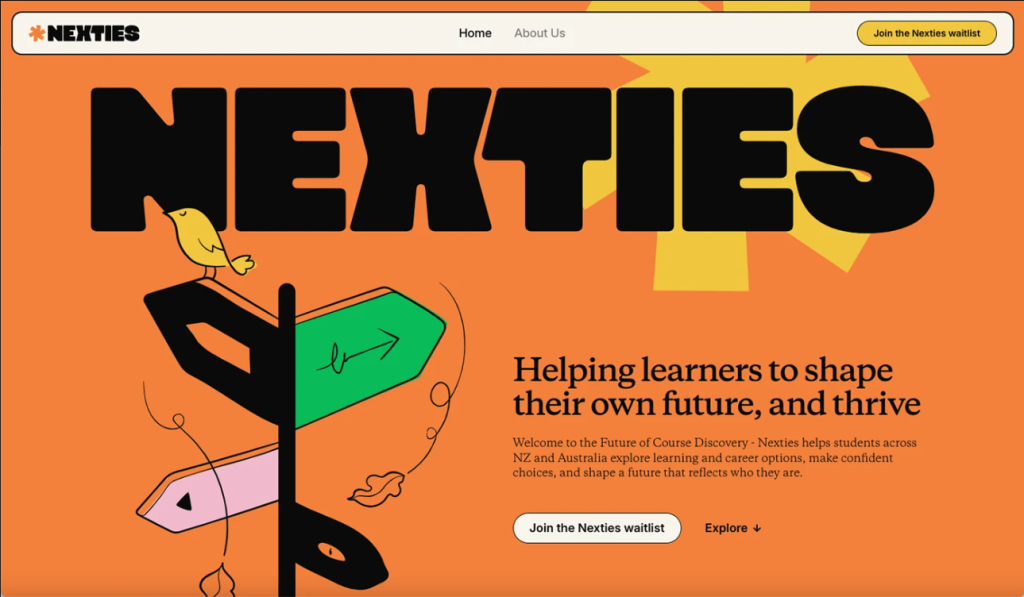
– Working with Federation to shape then launch a new brand in the tertiary education provider space (https://www.behance.net/gallery/229654841/Launching-a-clever-new-take-on-education)
– Working with a passionate husband and wide team to research then build a strategy for a new men’s skincare brand (https://flintskincare.com/pages/about-flint )
– Working as part of a core team attached to New Plymouth District Council to design, brand then nurture a very exciting new public-private partnership forum for the city (https://www.behance.net/gallery/198425417/NP-Partners-public-private-comunity-partnership)
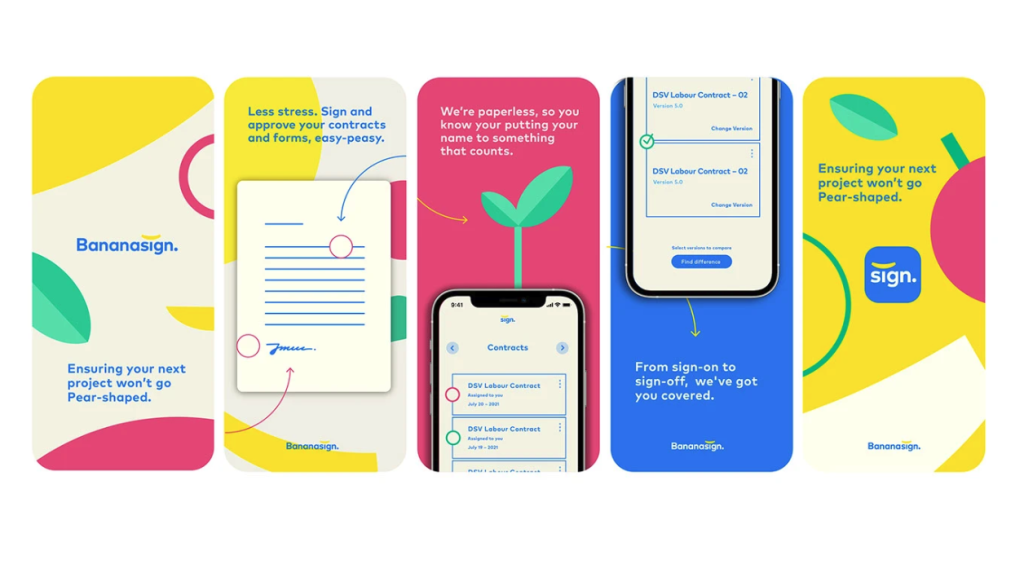
– Working with Christchurch-based Nitrolabs to concept, brand and launch Bananasign – a brand new digital document-signing app for the USA market (https://www.behance.net/gallery/198424379/Creating-a-new-document-signing-app-brand)
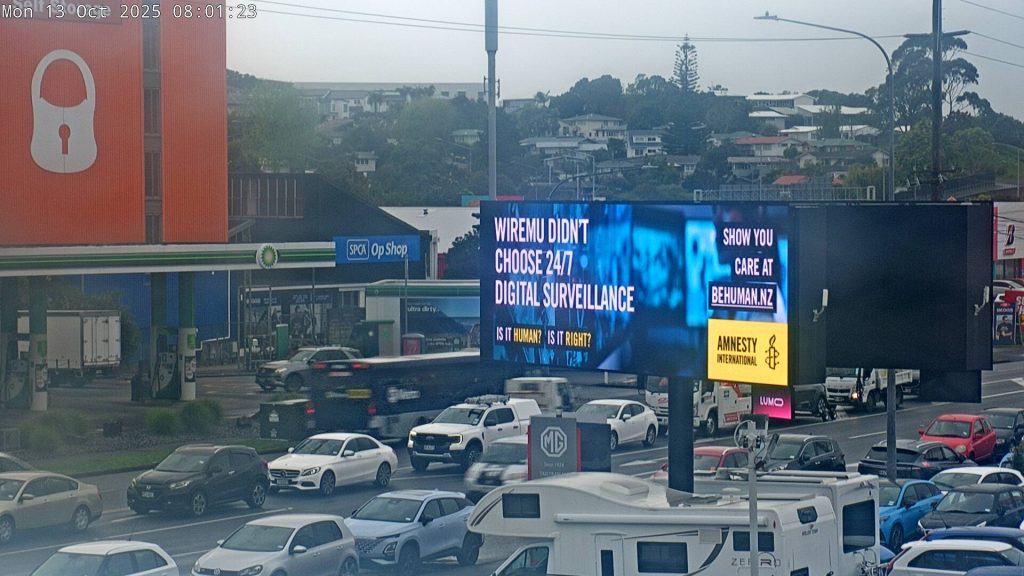
– Working closely with the amazing leadership team at Amnesty International Aotearoa-New Zealand to explore then reshape their brand proposition and narrative, then bring this to life with a deliberately provocative advertising campaign that is unlike anything they have every done before (https://amnesty.org.nz/)
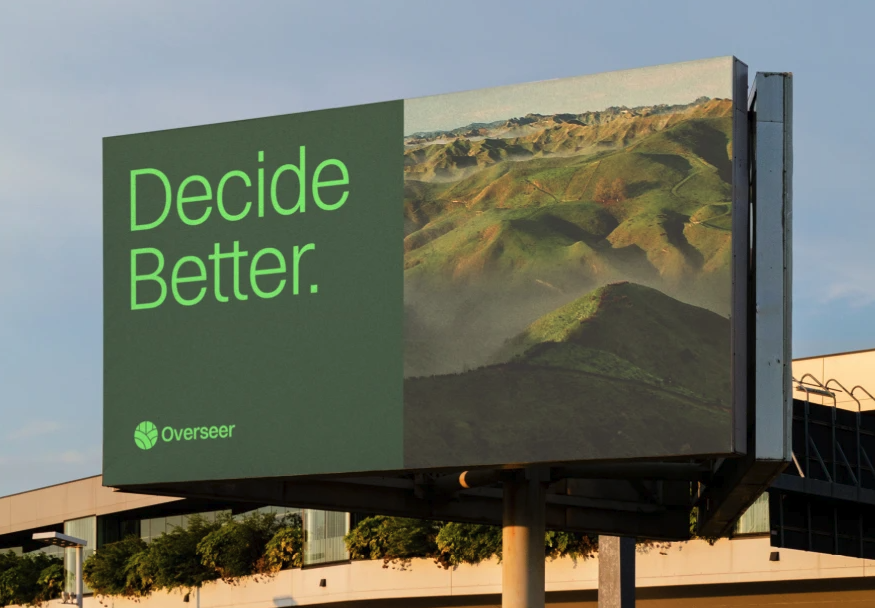
– Working with Wellington design team Creature to lead a combined agency-client team to strategically rebrand Port Marlborough as a globally relevant sustainable small port (https://portmarlborough.co.nz)
Do you have any advice about our industry for emerging designers or career changers?
Some amazing words that I will never forget come from Danny Coster – a Kiwi from Wellington who has spent 20 years in the USA leading design at Apple then a further 12 years as President of Design and Creative Strategy at GoPro.
I think what he says applies equally to any field of design and problem-solving…
“Seek the truth at the heart of the challenge. Find what truly matters. Listen carefully. Allow the heart to come forward. Back your gut. Feed deep interest. These lead the way in ways the mind cannot.”
He also said “Unshackle ideas from what they need to be so they can be what become what they really are. The technologies and tools will come to support the vision, not the other way around.”
Where do you draw inspiration from?
A wide range of places and stimuli…
From nature always. Forests, ocean moods, empty beaches, clear night skies. And how my wild wolf-dog seems to feel everything.
From poetry both old and new.
From music. Red Hot Chilli Peppers, Nick Cave, Leonard Cohen, Emily Jane White, Grace Cummings, Christy Moore, Manchester Orchestra and a thousand other talented artists whose music transports me.
From a wide array of wise human beings. From Steve Jobs to Stephen Jenkinson, Joanna Macy to Sarah Wilson, Martin Weigel to Rob Campbell, Zoe Scaman to Jasmine Bina, Brian Collins to Lee Clow, John O’Donoghue, Robina Courtain, Josh Shrei and many more.
From the clever, creative and gentle people with whom I share projects. I love the creative energy buzz.
From my incredible kids Chelsea, Tara and Cooper.
What hobbies or interested do you have outside of work?
I read voraciously across a range of subjects and channels. Strategy blogs from Zoe Scaman and Jasmine Bina. Books on mythology and psychology from Sharon Blackie and Stephen Jenkinson.
I walk in nature with my dog a lot… beaches, bush and hills.
I write and publish poetry.
I mountain bike and push weights, and still occasionally get invited back onto the judo mat.
I lead a men’s circle and society.
And have an ongoing mission to continue restoring my little bush cottage in the Waitakere forest.
Where can people connect with you?
LinkedIn – https://www.linkedin.com/in/jerrybeale/
Website – https://www.behance.net/jerrybeale
Email – jerry@wolfstrategy.nz
Youtube – https://www.youtube.com/watch?v=VviW4NhtLdw
Design Assembly connects a nationwide network of Friends; designers, thinkers, and makers working together to grow Aotearoa New Zealand’s design culture. Our Five Minutes series showcases the rich diversity and depth of talent within this community
Ready to shine a light on your talent? Submit your story to Five Minutes With, today.