2025 Hot New Things: Makai Ingalls, University of Auckland
Design Assembly profiles a selection of the top graduates from the best Art and Design Schools in Aotearoa New Zealand. We welcome these talented emerging professionals to our industry, learn about their passions, final projects, developing creative confidence and ambitions for the future.
Makai Ingalls recently graduated from The University of Auckland.
Find out more about undergraduate and postgraduate study options in art and design by visiting our Design Schools page.
Tell us a bit about yourself:
I’m a Kiwi-American designer with an unconventional journey. Born in Aotearoa New Zealand to a family of sailors, I spent my early years living aboard a boat before moving to the U.S., where I grew up. At 18, I returned to Aotearoa New Zealand alone, initially pursuing a degree in Computer Science. But life had other plans.
During a gap year amid the uncertainty of the COVID-19 pandemic, I discovered my true passion: design. The intersection of creativity and problem-solving drew me in, and I’ve never looked back. My background in technology, combined with the support and guidance of the University of Auckland and its staff, has shaped my approach to design. Their mentorship and the university’s hands-on learning environment allowed me to refine my skills across UX/UI, branding, and 3D modeling.
Now, I’m focused on crafting innovative, functional, and visually compelling experiences that resonate with people.
What was the focus of your graduating project?
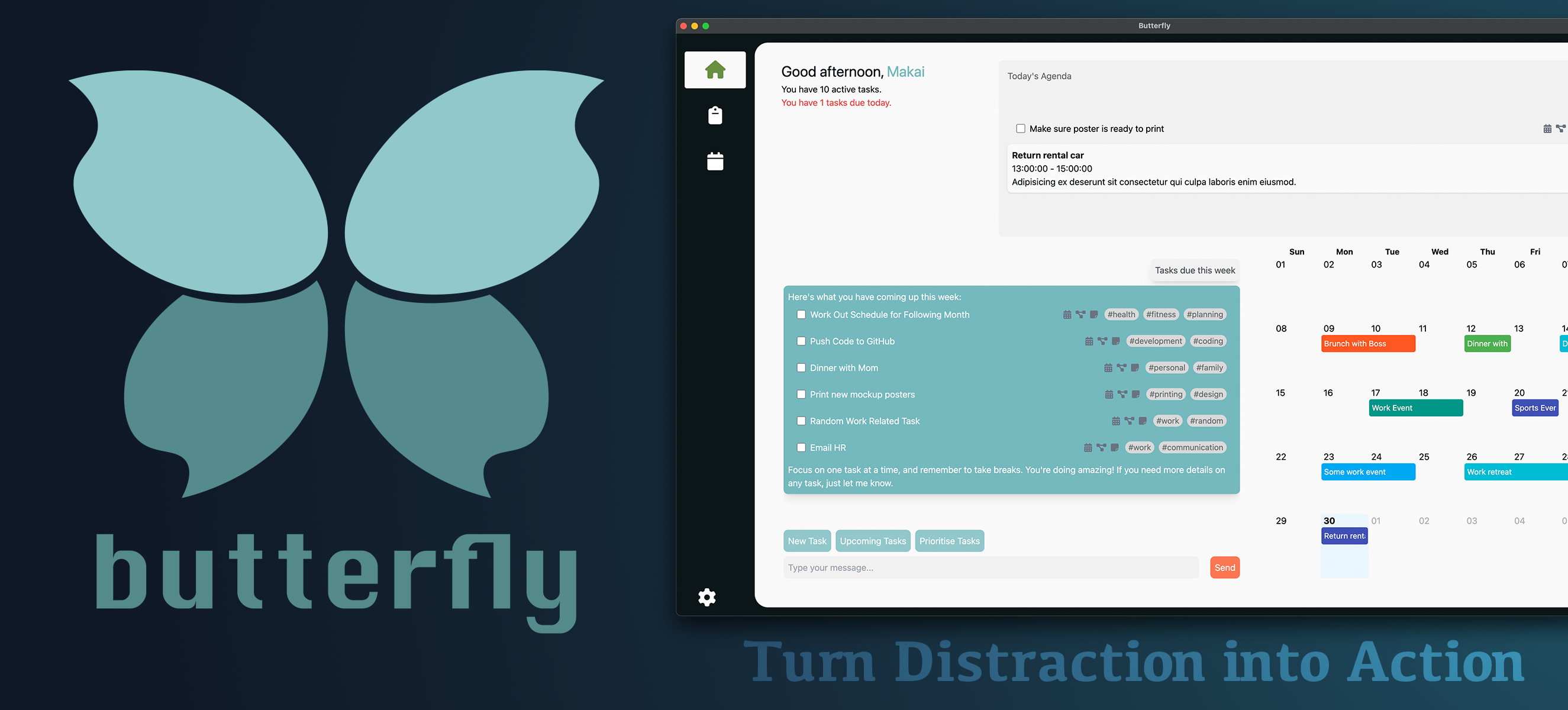
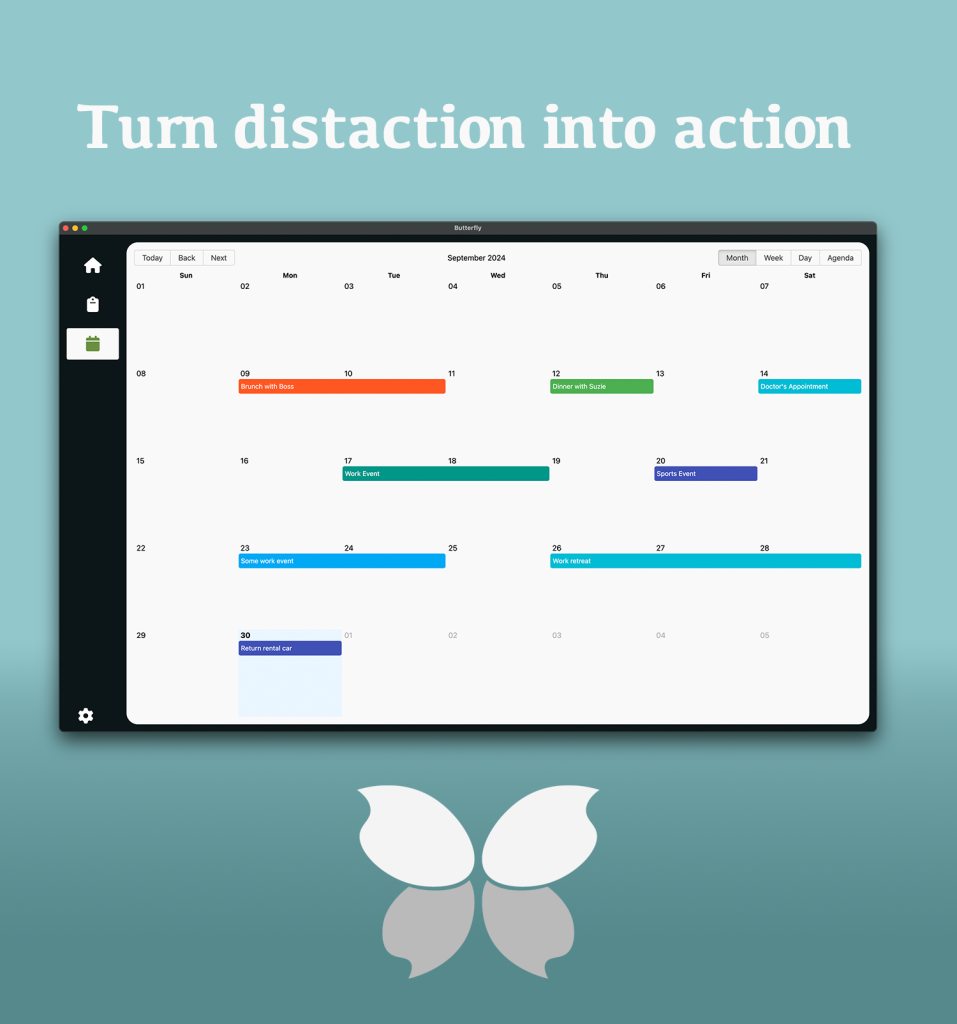
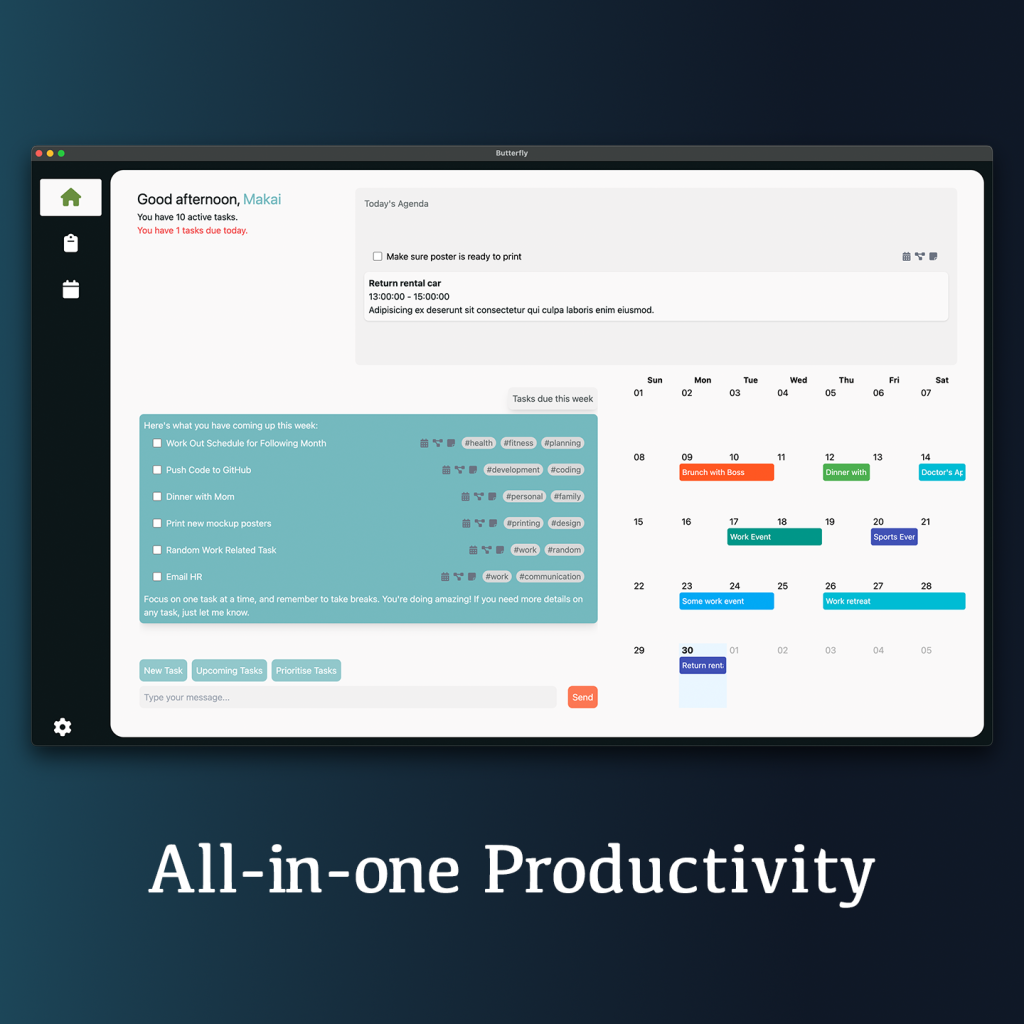
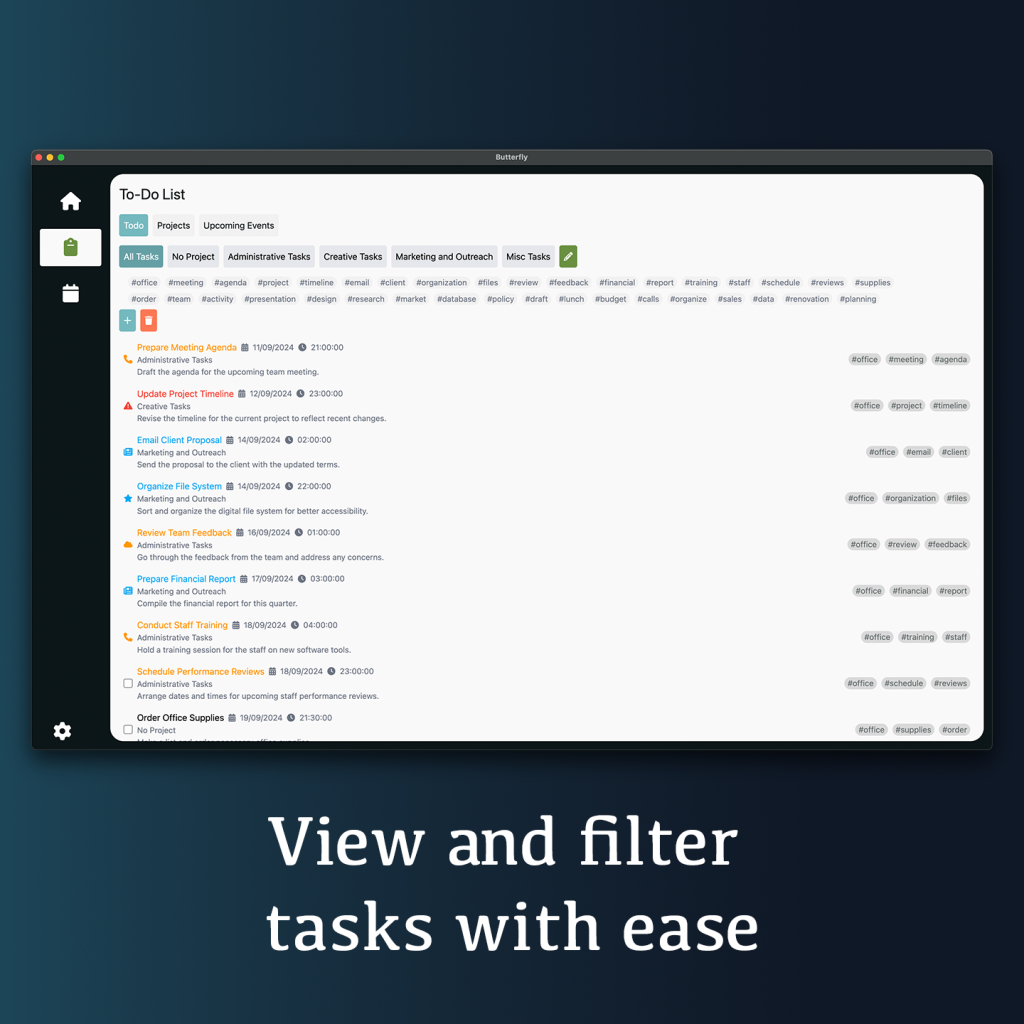
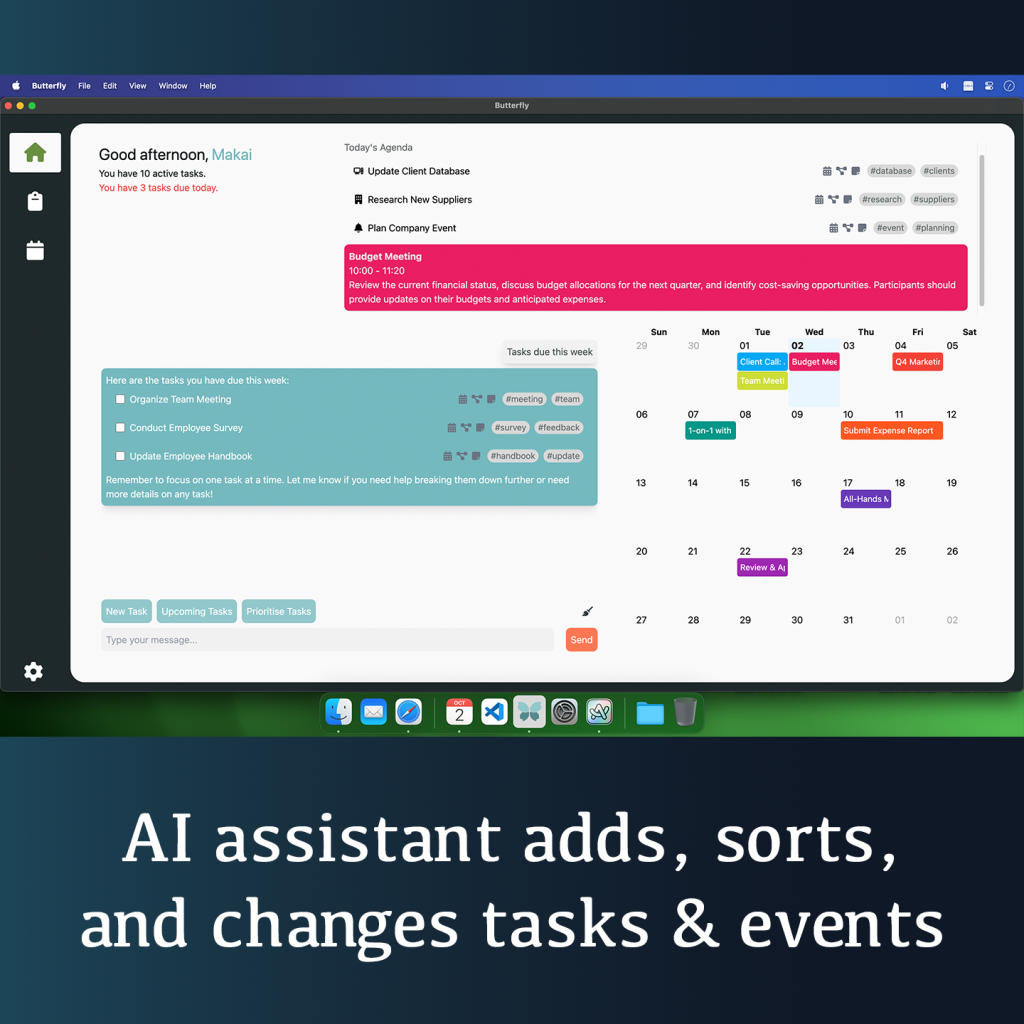
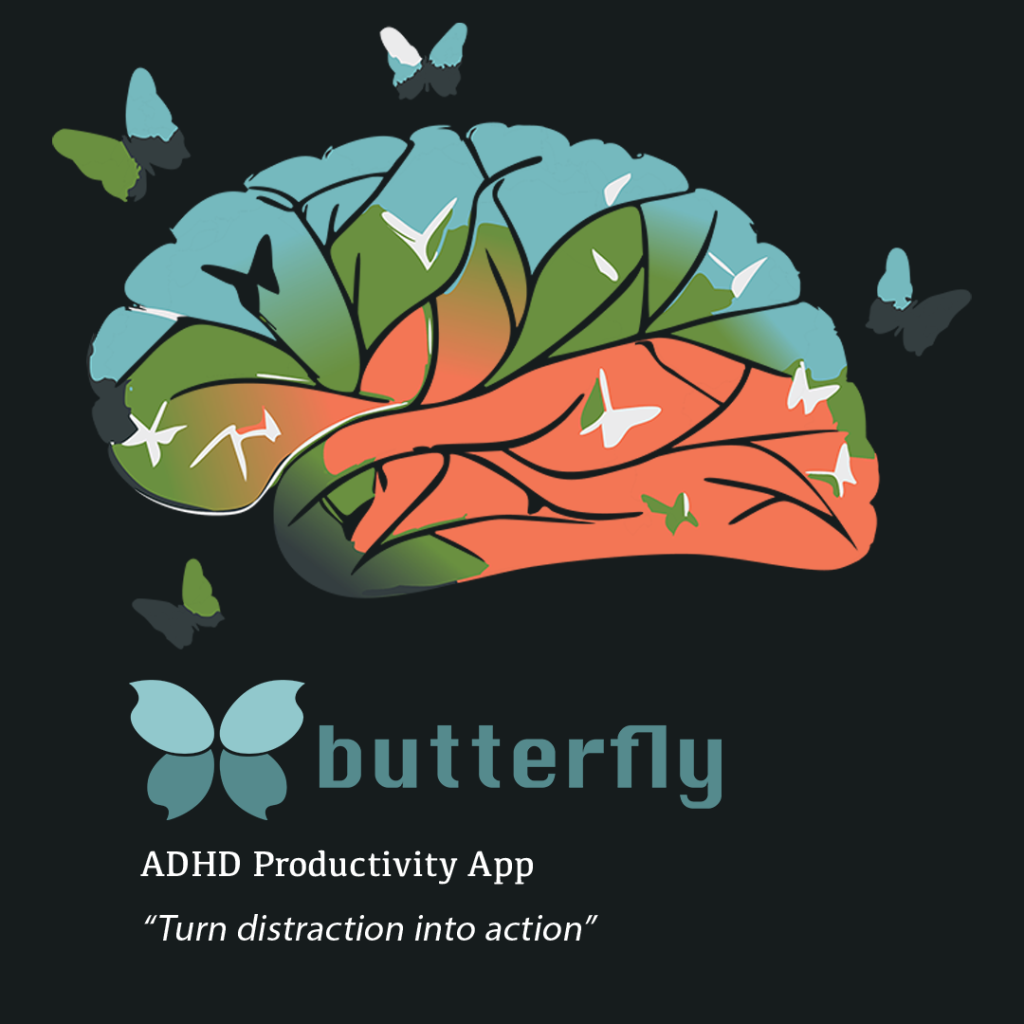
I designed and developed Butterfly, an AI-powered productivity app tailored for neurodivergent professionals, particularly those with ADHD. The app focuses on task management, scheduling, and workflow optimisation, helping users break down tasks into manageable steps, minimize distractions, and stay on track.
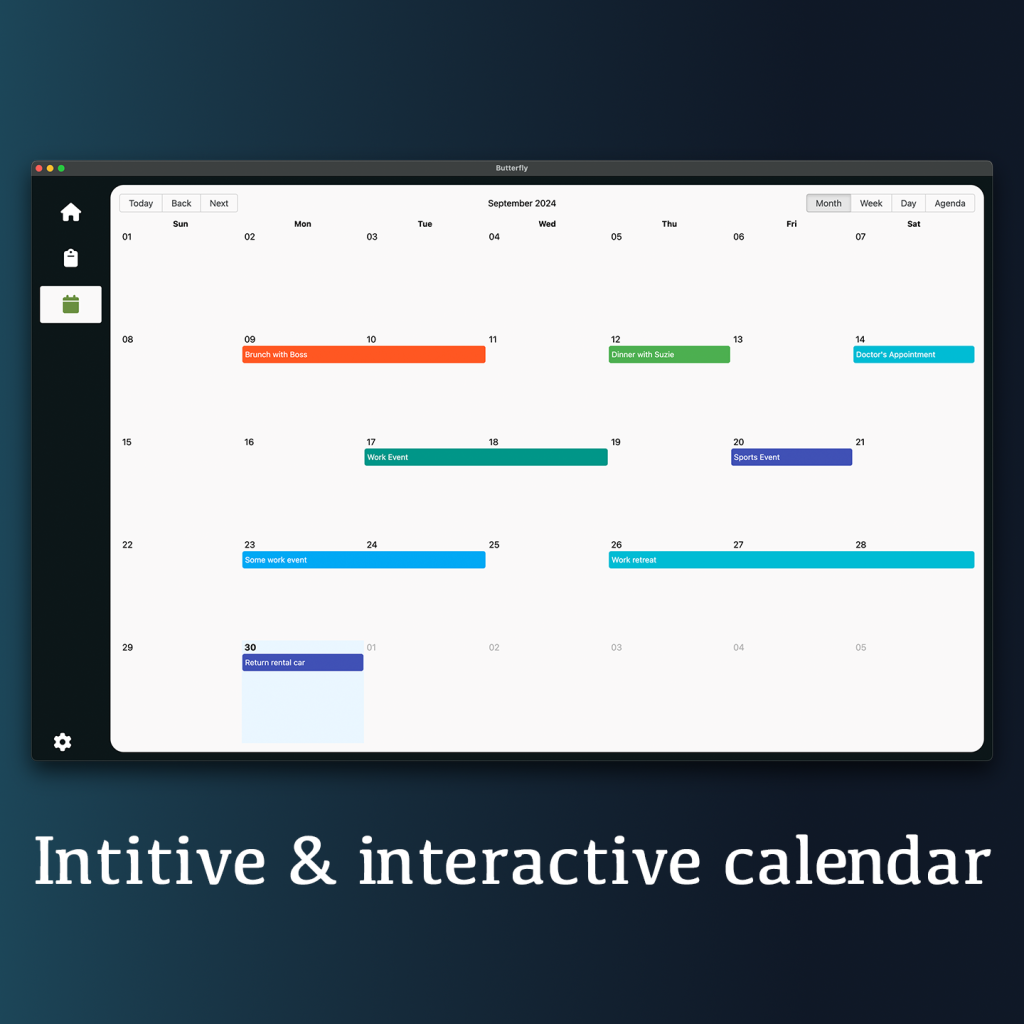
Butterfly integrates an automated calendar, a smart to-do list, and an AI assistant, allowing users to organize their workload intuitively. My goal was to create a tool that not only improves productivity but also reduces overwhelm—a key challenge for ADHD professionals. The design prioritizes clarity, accessibility, and ease of use, with a neurodivergent-friendly interface that leverages thoughtful color schemes, typography, and interaction design to enhance focus and engagement.
The project allowed me to combine my passions for UX/UI, human-centred design, and AI integration, while also deepening my understanding of assistive technology. It reinforced my belief that good design isn’t just about aesthetics—it’s about creating solutions that empower people.
Why did you choose to study design at UoA?
I wanted a program that blended creativity with problem-solving—something that let me explore both the technical and artistic sides of design. I actually started out in Computer Science, but pretty quickly realized I was more interested in how technology shapes human experiences—how design can make things more intuitive, accessible, and actually useful in everyday life.
The University of Auckland’s multidisciplinary approach was exactly what I was looking for. It wasn’t just about learning the tools of the trade; it was about understanding the bigger picture—how design impacts people, businesses, and society. The lecturers were incredibly supportive, and the hands-on projects pushed me to experiment, take creative risks, and think critically about my work.
What did you enjoy most about the design programme?
How hands-on and open-ended it was. It wasn’t just about sitting in lectures and memorizing theory—we were constantly experimenting, iterating, and problem-solving in ways that felt exciting and real. There was so much freedom to explore different areas, from technology and social impact to how design can shape real-world systems, which really broadened my perspective.
One of the biggest takeaways for me was that we weren’t just learning design—we were learning skills that apply to life in general. Critical thinking, research, communication, adapting to challenges—these things don’t just make you a better designer; they make you a better problem solver, no matter what field you end up in.
We were also encouraged to take charge of our own learning, especially when it came to technical skills. That self-starting mindset—being able to dive into something new, figure things out, and keep growing—is something I know will stick with me throughout my career. Looking back, that’s what made this program so rewarding.
What was your biggest challenge while studying?
Being so far from family and the friends I grew up with. Moving to Aotearoa New Zealand on my own meant figuring out real-world adulting—managing rent, bills, and life in general—while juggling the demands of university. Without an established support system, I had to learn how to stay motivated, push through tough times, and build a new community from scratch.
On top of that, studying with ADHD added another layer of difficulty. Staying organised, managing deadlines, and keeping focus in an academic setting wasn’t always easy. There were plenty of moments where I felt overwhelmed, but those struggles also shaped how I approach design. In fact, they directly inspired my capstone project, an AI-powered productivity app designed to help neurodivergent professionals navigate those same challenges.
What inspired you to pick design as a career path?
Creativity runs in my family, so in a way, design was always in my DNA. My aunt is a well-known oil painter, my great-uncle was an art professor, my grandfather worked as a television broadcast engineer, and my sister is a graphic designer. Growing up surrounded by artists and makers, I was always encouraged to think creatively, experiment, and explore different forms of expression.
At first, my love for technology led me toward Computer Science, but something always felt like it was missing. Over time, I realized that I didn’t just want to build things—I wanted to design experiences, shape interactions, and blend creativity with problem-solving. That’s what ultimately pulled me toward design. It felt like the perfect way to bring together my technical background and creative roots into something that felt truly right for me.
Who is your favourite designer/artist/creative?
If I have to pick a favorite creative… it would be Hayao Miyazaki. His ability to craft rich, immersive worlds that feel both fantastical and deeply human is something I’ve always admired. Films like Spirited Away and Princess Mononoke don’t just tell stories—they transport you into fully realized, living worlds filled with history, culture, and emotion.
What inspires me most is how every detail in his work feels intentional. From the way characters interact with their environment to the smallest background elements, everything contributes to a sense of depth and authenticity. That approach to worldbuilding—blending creativity, storytelling, and design—really resonates with me. Whether I’m working on UX/UI, branding, or product design, I always try to bring that same level of thoughtfulness and immersion into my own work.
Miyazaki’s philosophy—that design and storytelling should evoke emotion and a sense of wonder—is something I carry with me. It’s not just about creating something beautiful; it’s about making people feel something through design.
What’s next for you?
No matter where my career takes me—whether in design or a related field—I want to be part of something creative, meaningful, and people-focused. I love problem-solving and designing solutions that address real challenges, making people’s lives easier, fuller, and better. For me, success isn’t about recognition or fame; it’s about knowing that the work I do uplifts others and creates a positive impact.
I’m especially drawn to projects that blend creativity, technology, and human-centered thinking to create work that feels purposeful and innovative. The world is constantly evolving, and I want to keep learning, growing, and pushing boundaries to help shape that change.
I also see myself as a strong communicator and leader, and I hope to leverage these skills to drive even greater change—whether that’s through leading teams, advocating for better solutions, or helping shape the future of creative problem-solving.
At the end of the day, my goal is simple: to design with impact, to contribute to something bigger than myself, and to use creativity as a tool to make a difference.