Five Minutes with Nan O’Sullivan
Members of Design Assembly make up a network of Friends working together to build a thriving design scene in Aotearoa New Zealand. Our ‘Five Minutes’ series profiles the breadth and depth of design practice in our network.
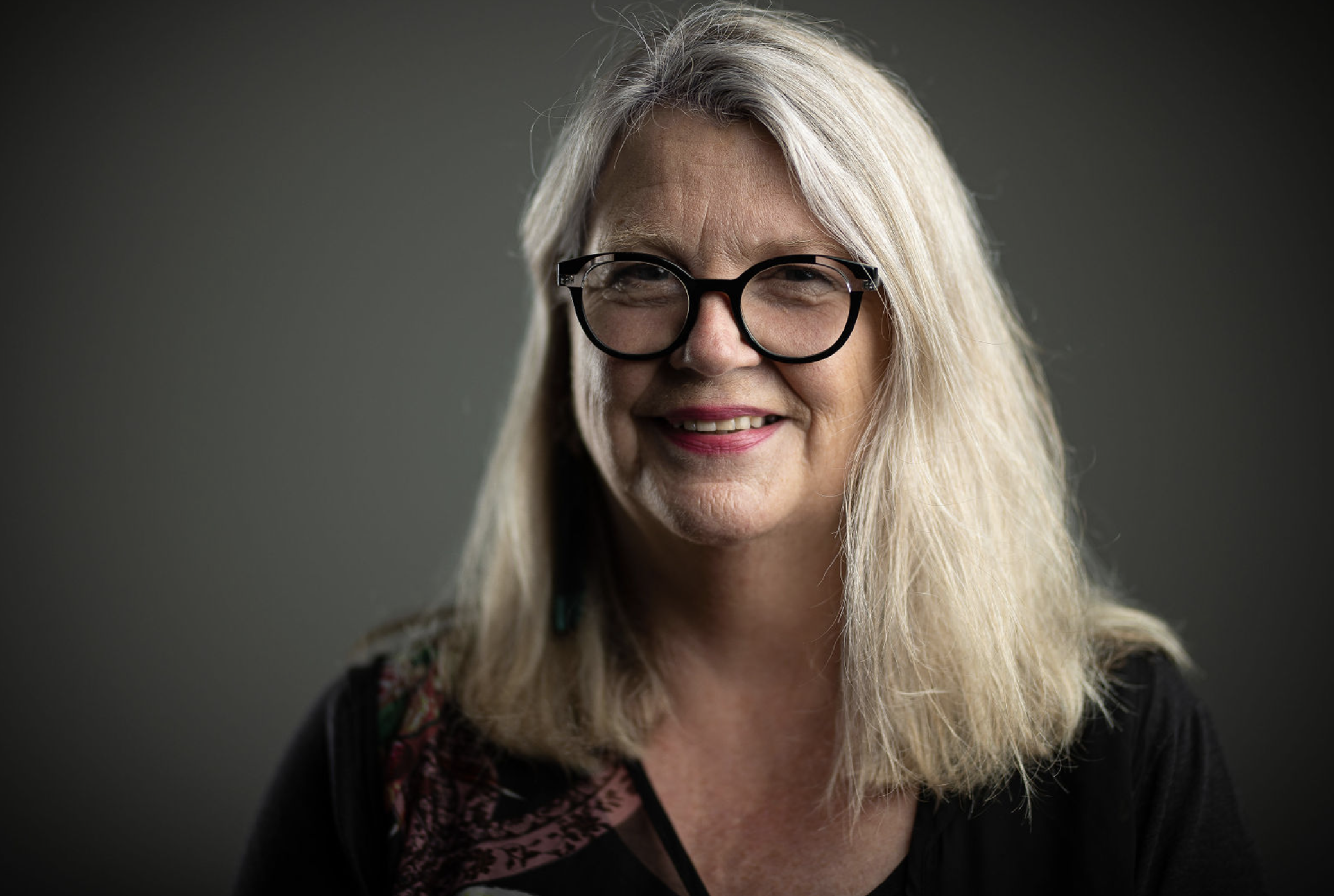
Today we speak with our Friend Nan O’Sullivan, Head of School at The School of Design Innovation, Te Kura Hoahoa – Victoria University of Wellington, Te Herenga Waka.
Tell us about your career background:
My career has taken a winding path—starting out in Environmental Design and Interior Architecture, then heading back to university for a Master’s in Architecture, and eventually coming full circle back to Design, but this time as an academic.
I was incredibly lucky to land my first job as a graduate at Athfield Architects. That’s when I truly grasped the power of community and the importance of questioning the status quo. Challenging norms quickly became my norm, and over time, I realised that design education was the perfect place to plant the seeds of change for our discipline.
After many years in professional practice, I found my home at The School of Design Innovation, Te Kura Hoahoa – Victoria University of Wellington, Te Herenga Waka. For the past 12 years, I’ve been working to push boundaries, rethink and diversify approaches, and expand the impact of design in shaping better futures. I led the foundation year, embedding Indigenous knowledge as core knowledge in our design approaches. I also established the Design for Social Innovation major and co-founded the collaborative postgraduate research hub, The Social Lab—both deeply inspired by and infused with mātauranga Māori.
Most recently, I wrapped up my role as Head of School—a challenging and incredible journey that has broadened my perspectives on leadership, peer collaboration, and the exciting new futures ahead for our design graduates.
Tell us about the studio you work in:
For me, design education is all about helping students recognise just how unique Aotearoa’s design history, creative praxis, and ways of seeing, doing, and being truly are. In academic leadership I have worked to deepen our engagement with Te Ao Māori, mātauranga Māori, and tikanga Māori ensuring it is fundamental to how we, in Aotearoa, understand the world and design with/for/by people and place.
But the best part of my work? My colleagues and of course the students. Their energy, ideas, and openness to change are genuinely inspiring. Being part of the multitude of creative journeys, pushing boundaries and knowing that together we are shaping the future of design—there’s nothing quite like it.
What does your design process and philosophy look like?
I’m a big believer in shifting design education beyond just knowledge transfer to a relational, transformative, and culturally responsive practice. Moving away from the idea of a ‘universal’ design model, my philosophy and work challenge the Eurocentric norms we continue to herald and rely on. For me, education isn’t just about what we teach and learn—it’s about who we teach and learn with, how we do it, and the spaces (both tangible and intangible) we create to make learning equitable for everyone. I see design, and the education of it as acts of kaitiakitanga—stewardship that require deep care and engagement with our students. I am values-led and try to build learning environments that both foster equity, inclusion, and diverse ways of doing, knowing and being and encourage our students to design in ways that achieve this in their own creative practice.
What does a typical day in your studio look like?
Right now, things look a little different for me—I’m on research and study leave, which means I’m not in the middle of the school’s usual hive of activity. Instead, I’m knee-deep in books and deep-dive conversations, which is its own kind of exciting.
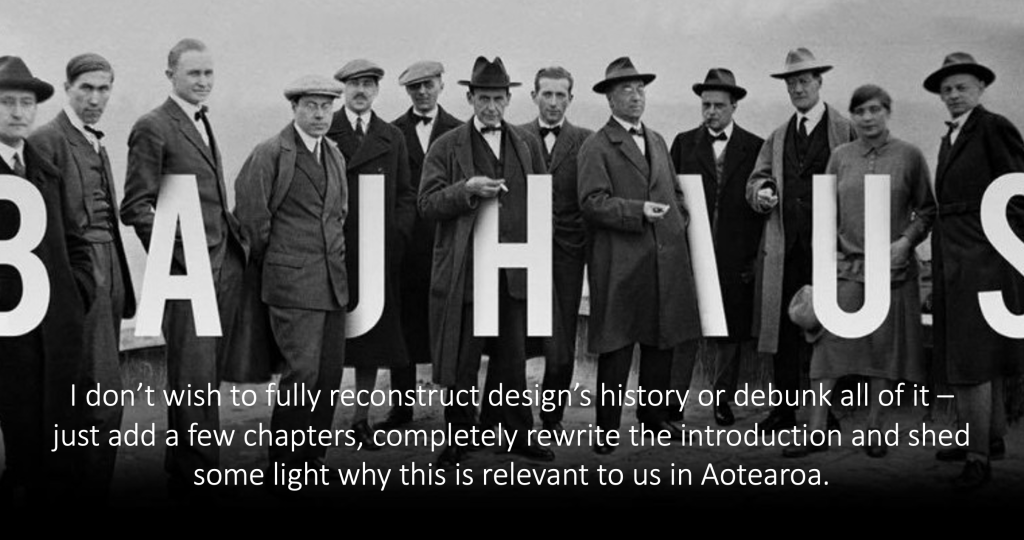
A big focus for me right now is writing a collaborative book of essays that rethinks how we tell our design history. Instead of the usual Eurocentric, linear trajectory, I’m reframing it as the interconnected, evolving ecosystem it truly was—and still is. I’m not out to rewrite all of design history (that would be too ambitious!), but I am offering moments for pause, reflection, and re-evaluation. I’m asking where Aotearoa’s design history intersected, influenced, or diverged from others and whose voices have been overlooked. I hope to shine a light on these moments to encourage a richer, more inclusive understanding of our past, present and future and to prompt others to reconsider and recalibrate their legacy narratives – so often taken for granted as having been inspired from afar.
I’m also squeezing in a new semi-connected project – KINSHIP – it’s in its infancy – but it celebrates Commensality – Social Eating or as I think of it, “Coming Together to Break Bread and Boundaries”. It has been a slow-burn project. I’m exploring how culturally inspired practices for sharing food spark connection and conversation, creating spaces where ideas, stories, histories and new perspectives can reveal themselves. Whether it ignites discovery, celebration or dreaming, I believe in the power of food as an experience to distinguish and connect us – one shared meal at a time.
What’s one thing that you would like all of your clients to know?
Good Design and Valuable Design are incredibly subjective – what are they anyway? I think the ‘value’ of design comes to life when it is ‘values-led’.
As an academic, I think we need to make it clear to students that the different disciplines they study give them a set of specific tools and creative processes- digital and otherwise. What they do with these tools is where design starts – that is the challenge for them and what makes them designers. I discuss with them ‘designing where you stand’ and looking ‘in the mirror before they look out the window.’
What are your favourite tools in the studio?
I have a deep love for books, photography, music, film, and people—because each, in its own way, offers a window into diverse voices, lived experiences, and the rich tapestry of human narratives. These forms of creative expression don’t just entertain or inform; they reveal, challenge, comfort, and provoke. They make visible the unseen, give voice to the unheard, and offer new ways of understanding the world and our place within it. Through them, we encounter different cultures, histories, and hopes—each contributing to a broader, more inclusive conversation about what it means to be human. For me, engaging with these mediums is both a source of inspiration and a reminder of the power creativity holds to connect us across boundaries of time, place, and perspective.
What are your favourite types of projects to work on?
One of the most exciting opportunities on the horizon for me is my recent appointment as a Board Advisor and Juror for the Don Norman Design Awards. It’s a real honour to join such an esteemed international team. I see this not just as a personal milestone, but as recognition of the increasing global visibility of New Zealand design—and the powerful work being done here to centre indigenous knowledge in addressing complex and “wicked” problems. You can learn more about the awards at dnda.design—and I strongly encourage you to submit your projects!
Alongside this, I’ve been incredibly fortunate to build strong international connections within the design community. These have led to opportunities to speak at conferences, universities, and design academies around the world about my research—particularly the importance of cultural connection, new ways of seeing, doing, and being as a designer, and how we integrate these approaches into design education in Aotearoa New Zealand.
Most recently, I presented at the Cumulus Conference – Design Across Borders in October 2024, where I was honoured to share the stage with thought leaders like Alice Rawsthorn and Don Norman. Alice, whose book Design as an Attitude is a fantastic read, also co-authored Design Emergency with Paola Antonelli—highlighting, among other things, the remarkable COVID-19 response work by Clemenger BBDO Wellington.
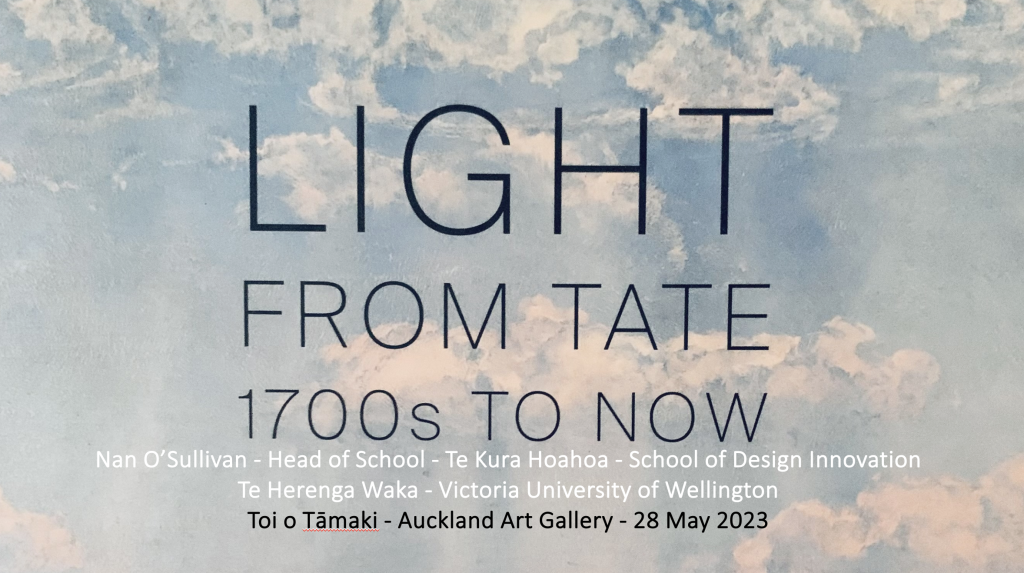
I was also invited to speak as part of the Toi o Tāmariki public lecture series at the Auckland Art Gallery, which accompanied the Tate in Light exhibition. It was a meaningful opportunity to share my research into the often-unacknowledged role that indigenous knowledge has played—and continues to play—in the history and evolution of design.
What project are you most proud of?
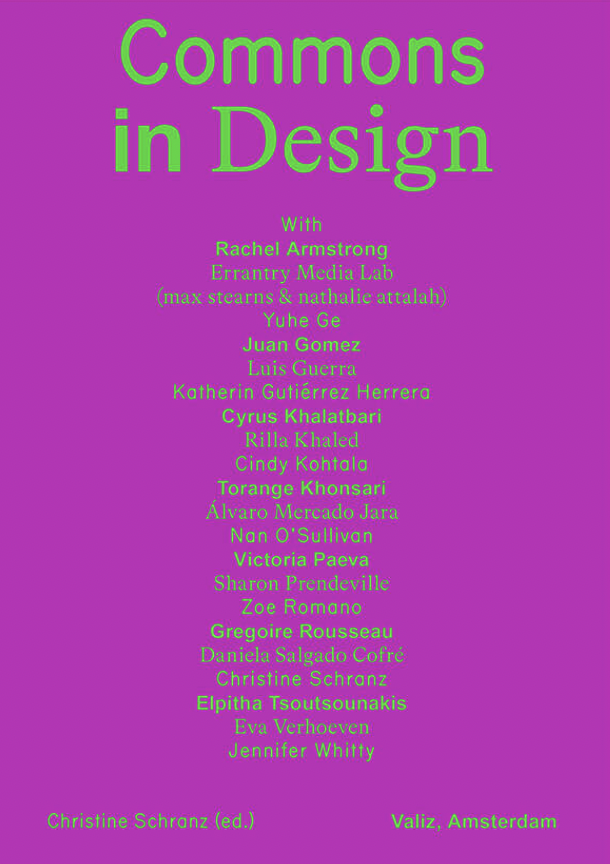
I have come to really love writing—something that has become an integral part of my creative practice. It offers a different kind of reflection and articulation that complements my work as a designer and researcher. One of the most rewarding aspects of this has been contributing to a number of publications with Valiz Publishers in the Netherlands, whose commitment to thoughtful, critical design writing deeply aligns with my own values. Being part of these projects has not only been creatively fulfilling but also humbling—both books have received international awards, and it’s been a privilege to contribute alongside such inspiring collaborators. Writing in this context allows me to share ideas more widely and be part of a global conversation about the role of design in shaping our world.
I have also been very fortunate to run workshops, lecture and review post-graduate work around the world with the highlights being at Carnegie Mellon University in Pittsburgh, as well as Parsons and the School of Visual Arts in New York.
Do you have any advice about our industry for emerging designers or career changers?
My advice to anyone—whether you’re in design or any other field—is to never stop learning. Learning doesn’t have to be formal; it can happen in everyday conversations, in the books you read, or even the movies you watch. That said, there are also some fantastic short and long courses out there if you’re looking for something more structured.
Personally, I’ve been leaning into more hands-on, physical learning lately—returning to the craft of making. It’s about reconnecting with the tangible side of creativity.
Stepping into the unknown, embracing new ideas, and being open to disrupting your usual way of thinking has always served me well. Learning can be uncomfortable as much as it is exciting. For me, it often places me right in the middle of risk and potential failure—but I believe that’s where the most powerful, transformative growth happens. Real success often starts with being willing to stretch yourself beyond what you already know.
Where do you draw inspiration from?
I gain inspiration from everything around me—everyday moments, small details, fleeting interactions. My kids, who are now grown men, affectionately (and sometimes exasperatedly) call me an “Embarrassing Observer.” It’s true—I’m always watching, noticing, studying the world around me. Whether it’s how people move through a space, the way light hits a surface, or the quiet cultural cues embedded in daily life, I find endless fascination in observing how things connect, contrast, and communicate. It’s become a kind of practice in itself—one that constantly fuels my creativity and keeps me curious, alert, and open to new perspectives.
What hobbies or interested do you have outside of work?
I have a beautiful Bernese Mountain Dog, Minnie – Walking and thinking (and talking to myself) every day.
We are always building here at home – downside/upside to Architecture!
I’m having to develop a new interest in gardening – need to do that for the house!
I love art and objects – all sorts – classics and craft – I love the narratives that sit behind them as much as the objects themselves.
Where can people connect with you?
Email me at nan.osullivan@vuw.ac.nz or connect on LinkedIn