2026 Hot New Things: Laura-Jane Gooderson, Te Wānanga Aronui o Tāmaki Makaurau / Auckland University of Technology
Design Assembly profiles a selection of the top graduates from the best Art and Design Schools in Aotearoa New Zealand. We welcome these talented emerging professionals to our industry, learn about their passions, final projects, developing creative confidence and ambitions for the future.
Today we speak with Laura-Jane Gooderson who recently graduated from the Communication Design at Te Wānanga Aronui o Tāmaki Makaurau/Auckland University of Technology (AUT). Find out more about tertiary study options across Aotearoa New Zealand on our Design Schools page.
Tell us a bit about yourself
I’m a communication designer driven by making connections. Whether that is connecting people to each other, connecting people to new ways of being, or connecting different contexts when coming up with new ideas.
I graduated from Te Kura Toi a Hoahoa, AUT, in 2025 with a Bachelor of Design in Communication Design. Along the way, I have experimented and learned from a variety of design projects that blend research, creativity, and storytelling to translate complex ideas into meaningful experiences. Today, I continue to develop my practice, seeking opportunities to collaborate, create thoughtful design solutions, and positively impact the way people experience and understand the world around them.
What was the focus of your graduating project?
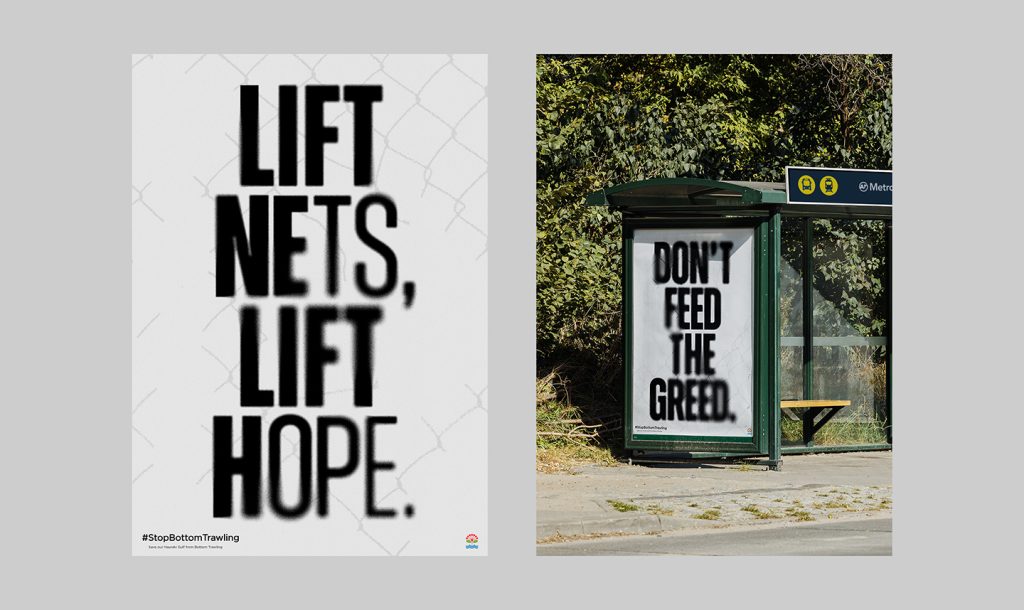
“It’s only downhill from here. It’s her dementia.”
Everyday conversation surrounding dementia can be inaccurate and end up stigmatising New Zealanders experiencing dementia. Spreading misinformation makes it harder for those affected to access support, and harder for our communities to provide it.
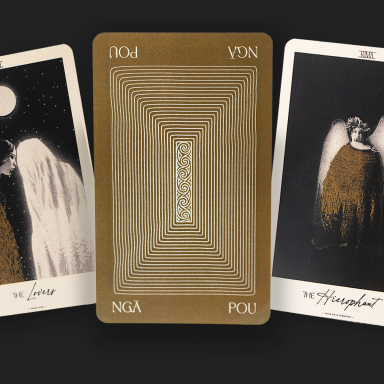
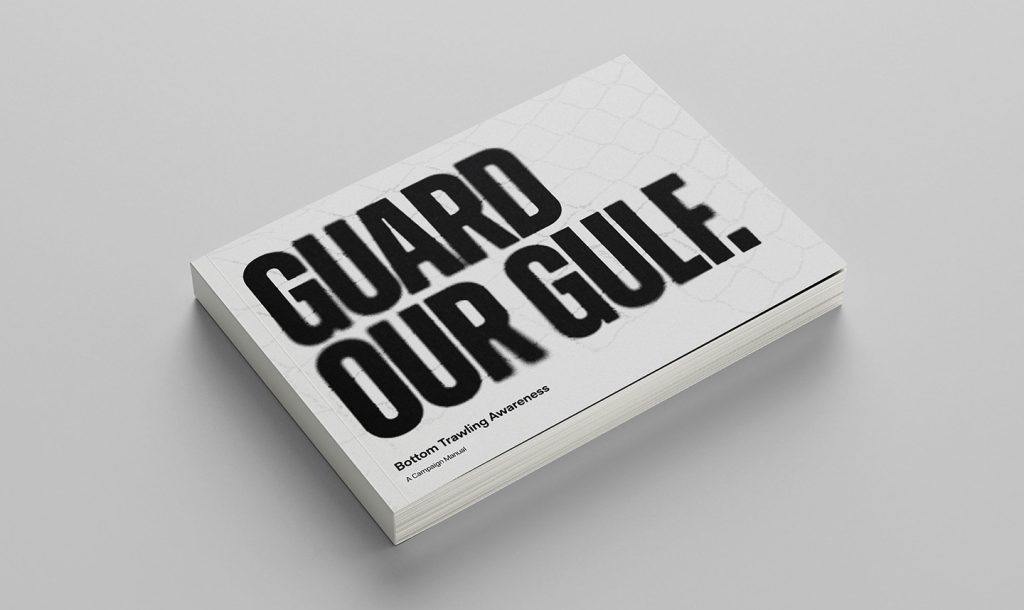
‘Remember’ materialises language that cannot usually be seen, touched, or easily reflected on. Its interactive paper folds encourage the reader to recognise and look beneath stigmatising labels. It is not large to include more content, but to create a visual heaviness that underscores the significance of the stigmatising language quoted. It focuses on the harmful words themselves rather than assigning blame to readers, prompting self-reflection.
When a dementia diagnosis within our family revealed the harm of stigmatising language, I understood the opportunity for our communities to be supported to speak with care.
What did you choose to study Communication Design at Te Wānanga Aronui o Tāmaki Makaurau/Auckland University of Technology (AUT)?
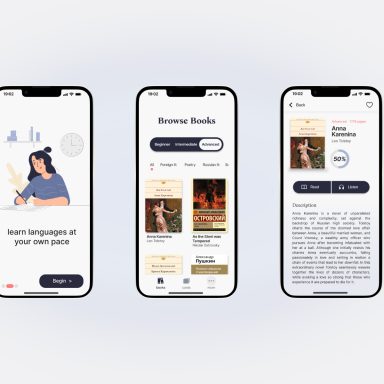
Design for me is about making connections. Whether that is connecting people to each other, connecting people to new ways of being, or connecting different contexts when coming up with new ideas. I chose to pursue a creative career as I have a love for clear and meaningful communication, turning complex or overlooked ideas into messages that are accessible. Design has the power to help people understand, relate, and even shift perspectives — and that’s what motivates me.
This way of thinking naturally led me to AUT, where our briefs are grounded in real-world themes that encourage deep research and purposeful, critical engagement.
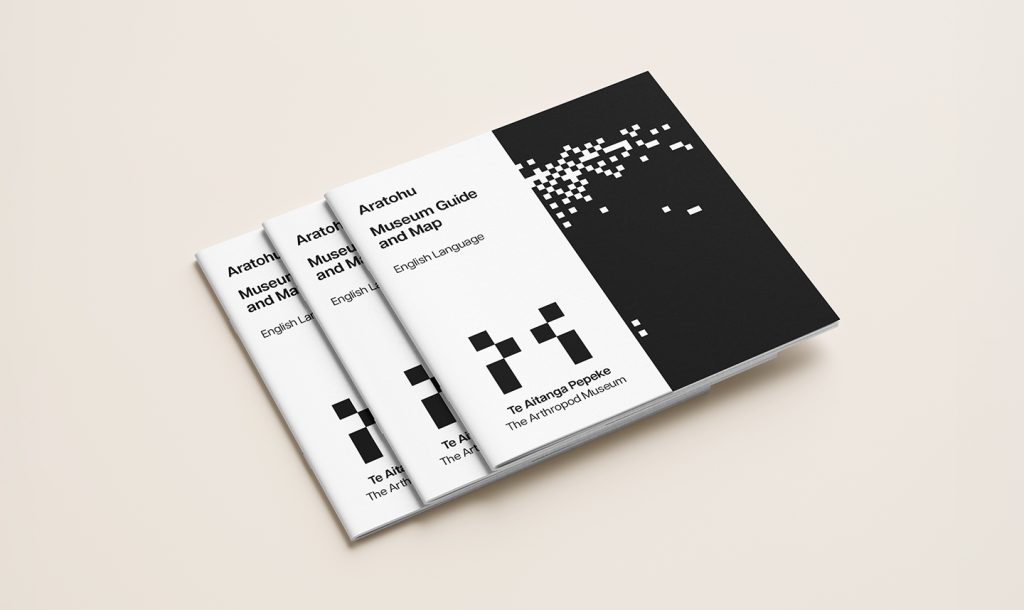
What did you enjoy most about the programme?
Impact does not only come from scale. Some of the most meaningful concepts came from focus and a narrowed scope. It’s about depth and intention in a select number of ideas, rather than spreading effort across many. That was a valuable shift for me: understanding that a clear, well-crafted message can resonate as strongly as something larger.
These unexpected discoveries were encouraged by the structure of our programme, a mixture of guidance with independence that helped us grow into our own designers. Such an openness, that made space for genuine experimentation, made for an environment where assumptions were questioned and ideas were developed beyond their obvious starting points.
Those experiences shaped not only my design practice, but also my confidence; teaching me to trust curiosity, embrace the process, and pursue the concepts that are both challenging and personally gratifying.
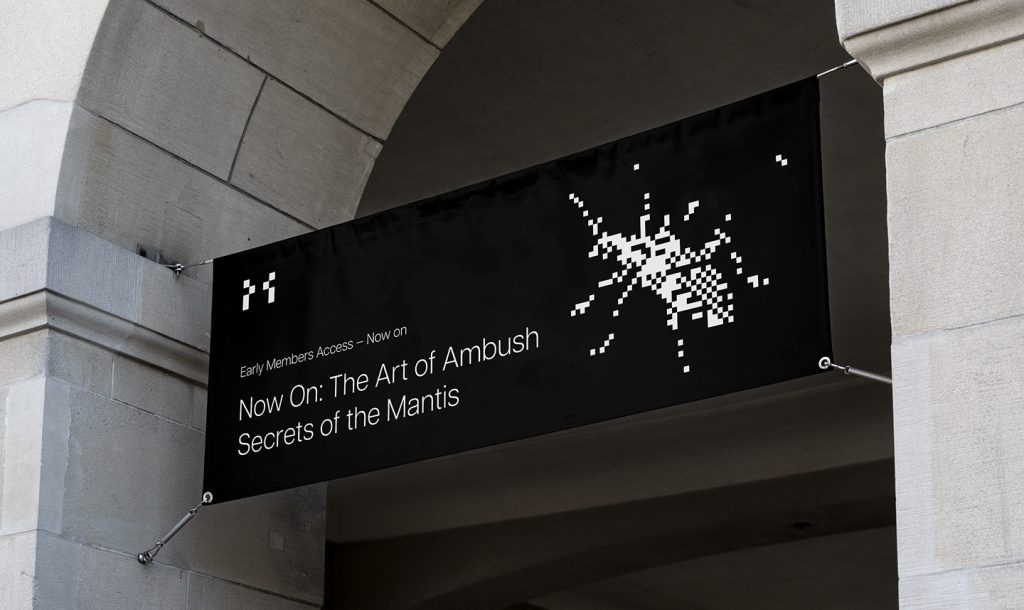
What was your biggest challenge while studying?
One challenge was in adjusting to the pace of university projects. Outside of study, I’m used to more fast-moving opportunities where decisions and outputs happen carefully, but swiftly. At times, the 15-week length of assignments felt overly lengthy and momentum could waver.
Though, I came to appreciate the value of that slower, more deliberate process. Design became more of a conscious process. I could, quite deeply, mull over each challenge and increment before moving on. It’s about supporting flowing creativity with thoughtful refinement.
These skills are valuable in professional settings, where I can now contribute reflection and careful decision-making to fast-paced teams, combining efficiency with thoughtfulness.
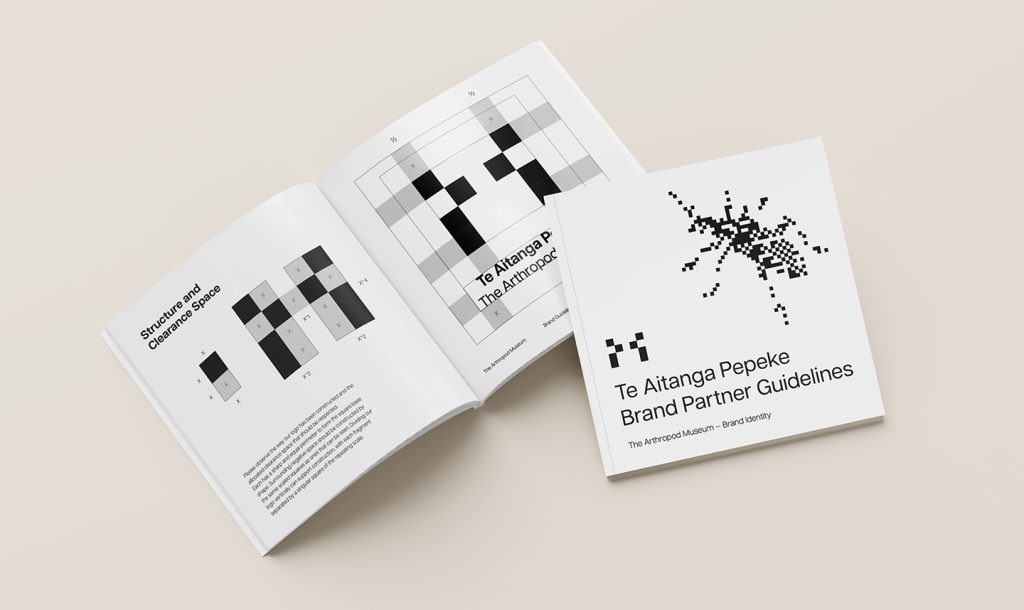
Who (or what) inspired you to pick design as a career path?
As far back as I can remember, I have been drawn in by the designs I would encounter around me. Perhaps they spoke to me as the consumer, more than I would look for them. I would naturally pause to read, to notice what worked, what didn’t, and why some designs stood out. It was this early engagement with the world, this designerly observation and critique, that sparked my interest in pursuing design as a career.
It became a game of sorts, Who designed that? What else have they done? It was very satisfying to connect the dots, say, that several campaigns I admired came from within the same studio. It was the designs that just clicked with me, the ones that made me laugh or sparked that moment of recognition — these were the works that really resonated and showed me what drew me to design in the first place.
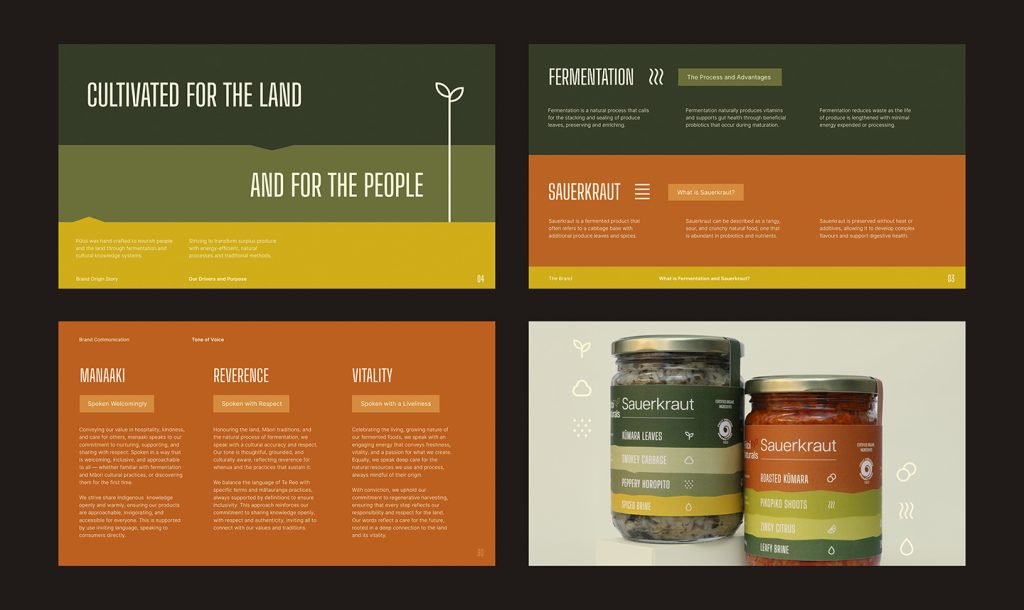
Who is your favourite designer?
Phoebe Devine comes to mind, though choosing a single favourite feels impossible. Her work is playful yet precise, intelligent yet deeply human. I’m drawn to the way she balances subtlety with clarity, creating designs that feel effortlessly considered. There’s a confidence in her practice within Previously Unavailable; Nothing is overstated, but everything is intentional, and that restraint makes the work resonate. Not only are these qualities visually clear, but when Devine visited AUT in March of ’24, the way she spoke about her process echoed the same thoughtfulness.
What is next for you?
Looking ahead, my goal is to keep learning and growing as a designer, continually expanding both my skills and understanding of the impact design can have. I’m eager to explore working within studios, gaining exposure to different approaches and collaborating with others to create work that resonates meaningfully. At the same time, I want to continue developing my own practice, refining my voice and experimenting with ways to bridge graphic design with lived experiences.
Ultimately, I aspire to use design to positively impact people’s lives—shaping experiences that are thoughtful, engaging, and human-centred. I’m motivated by the potential for design not just to communicate, but to evoke reflection, connection, and understanding. By combining craft, conceptual thinking, and empathy, I hope to create work that leaves a lasting impression and contributes to experiences that are memorable, meaningful, and enriching.
Where can we see more of your work?
See more of me at gooderson.co.nz, I’m also on LinkedIn and Instagram.
I’m contactable directly through laurajane.gooderson@gmail.com.
I welcome enquiries for design collaborations or commissions, and would be delighted to discuss the ways I can contribute creatively to your projects or ideas.
Laura-Jane,
0275297356