In Motion With…Jade Paynter
In this series we’re shining a light on some of the people who breathe life and action into design, Aotearoa NZ’s motion designers.
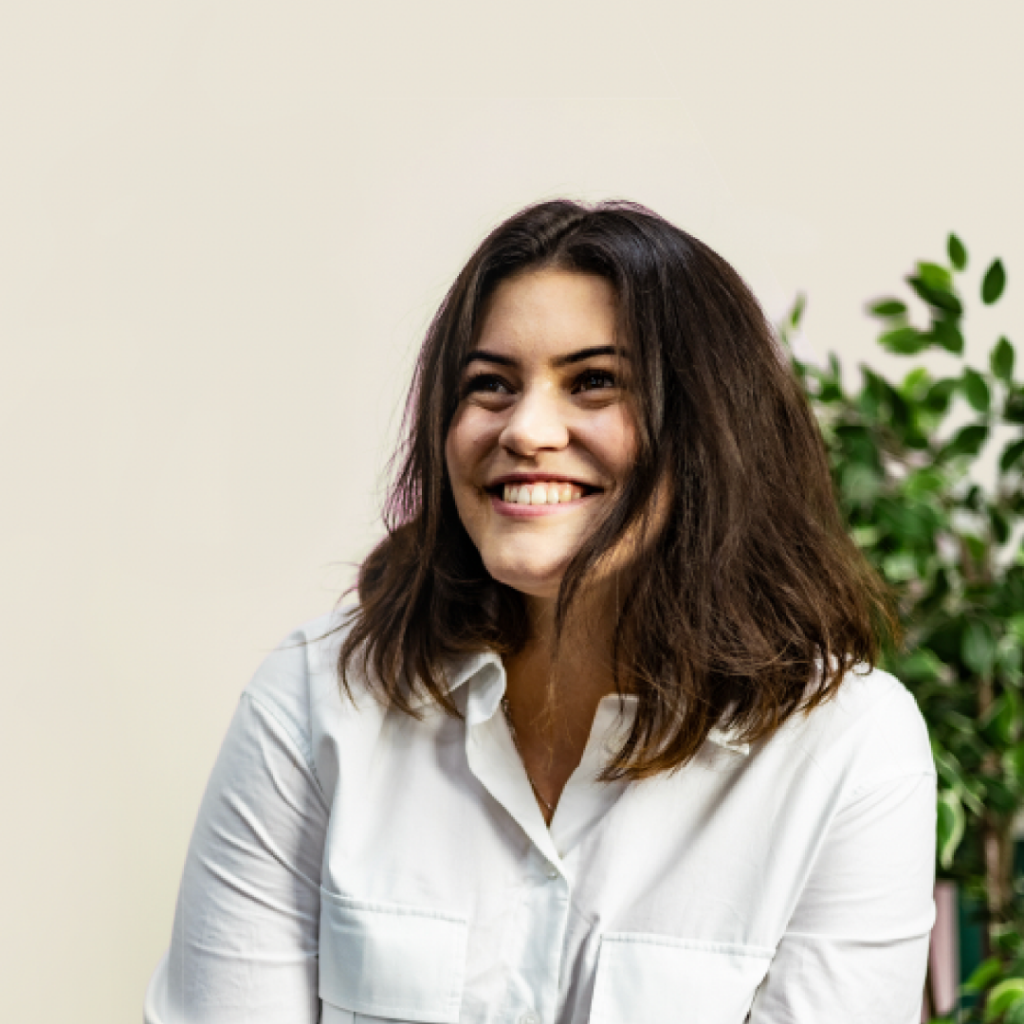
This week we sat down with Jade Paynter, a freelance 2D motion designer.
Brought to you in collaboration with our friends at Motion Designers Guild of Aotearoa

What first drew you into motion design? Was there a defining moment or influence that set you on this path?
I actually remember this moment distinctly! My high school art and design teacher had taken our small class to Semi Permanent in 2014 as I was preparing an application for a graphic design course, but my trajectory changed after watching Marc Smith – an animator at Framestore at that time. Seeing a Kiwi sharing such high-calibre work on stage, while working for an international company I admired, had a profound effect on me. It broadened my horizons to the endless possibilities animation offers to bring something to life. Not only did this spark my interest in motion design, it also made me think about working abroad in the future.
Who or what are some of your biggest creative influences at the moment and how have they changed since the move?
I’ve been really inspired by all the artists and designers here in Scotland; so many people work so hard on their craft, build in the open and share their journey with the world. This has given me the drive to test out other creative pursuits without the fear of failure.
I’ve always been drawn to very slick and clean motion graphics but I also love more experimental motion design. Two studios I’ve come to love since moving that do both of these are Studio Dumbar and DaisyChain studio. Their approach to motion design is very modern, and Studio Dumbar has this beautiful ethos of co-creating bespoke music in tandem with motion design.
Moving from New Zealand to Edinburgh is a big shift, what motivated the move, and how has it impacted your creative life so far?
Living abroad has always been on the back of my mind. I’d originally planned to move to London a few years ago but the pandemic had other ideas. Although I originally had my eyes on London, my partner floated the idea of trying Scotland first and now I can’t imagine going anywhere else.
While it’s been amazing to work on a broader range of projects here, the biggest impact has actually been to my personal branding and business development. In Aotearoa I didn’t really need to find new clients too often, maybe it’s the size of the industry or word of mouth spreading more easily but I was able to rely on referrals to get booked back home.
Starting from scratch in Scotland has been an eye-opener in terms of how I approach the business of being a freelance motion designer. I’ve had to develop better practices for finding clients, reaching out to them and staying in touch. Back home I wasn’t regularly attending creative networking events but now I go to them regularly. Not only do I now love them, these events have been really helpful for booking new clients.

What’s been the most surprising thing about working as a motion designer in a bigger international community?
I expected the size of the industry in Scotland to be similar to Aotearoa, after all both
countries have roughly the same population! But I’ve actually found that the industry feels bigger here, more immersive and very community-driven.
Part of that is probably the cultural emphasis on networking here, but also because of the Scottish people. I hadn’t realised before moving but they’re some of the friendliest in the world and very welcoming to newcomers.
What does a typical day or week look like for you as a freelancer — or is every week totally different?
Being a freelancer can mean having a lot of variety which I like, but within that I find it helpful to keep some kind of routine. Before work, I try to start each day by drawing as I prepare for the workday. Emails and admin are usually the first things I tackle so I can focus on deep work later on. Battling the Scottish weather during my lunchtime walk has also become a bit of a ritual! I’ve worked with clients in New Zealand, the USA and Australia since being here so there are often very early, or very late calls with clients due to the time difference. So sometimes I’m running on coffee but I really love the range of work I get to do and being able to work with so many talented creatives and studios from around the world.
Are there any tools or workflows you swear by to keep projects moving smoothly?
I think it’s important to have good internal processes for myself but also be agile enough to fit seamlessly to my clients’ workflows. In terms of tools that help me do this, SetApp has been really valuable. Although sometimes I feel like I’m haemorrhaging money to them, they’ve got loads of apps that help productivity and staying organised. Timeamator and BeFocused are two I love.
Script plugins are an absolute necessity in my motion design toolkit, I couldn’t live without them. Motion Tools, EaseCopy and Path Aligner are open in every project of mine.
How does the collaborative culture in Edinburgh compare to what you experienced in Aotearoa?
It’s amazing. You can attend a high-level conference with the industry’s best flown in to speak alongside Scottish creatives and next week you’ll find those same local design directors at the pub or at a local networking event. Professionally and socially, there’s a big culture of attending events and speaking to people from a range of creative disciplines.
There’s also a lot of smaller events, often on something a little niche within the creative space. These are often more intimate but some of the most valuable events I’ve been to (Glasgow Glyph Gang and Unknown Errors in particular). I’ve learned a lot about how creatives can collaborate and feel inspired to run more casual initiatives when I return to Tamaki Makaurau to help build a tighter-knit community and help each other.
Are there any creative networks, spaces, or studios that have been especially welcoming or inspiring?
One thing that has taken me back is nearly all freelancers here work remotely; it’s very rare to be asked to come into a studio to work. So most of the amazing spaces I have been in are co-working spaces. Most of them here in Scotland are really community-driven, with shared lunches, additional networking, and fun events! Wild & Kind in Glasgow is my go-to. Edinburgh is also a 45 min train from Glasgow, so I am constantly attending creative events in the two cities. It’s the equivalent of Tāmaki Makaurau and Whanganui-a-Tara being 45 mins apart. Getting immersed in the creative scenes of both cities has been extremely inspiring.
Is there a notable project you’re especially proud of?
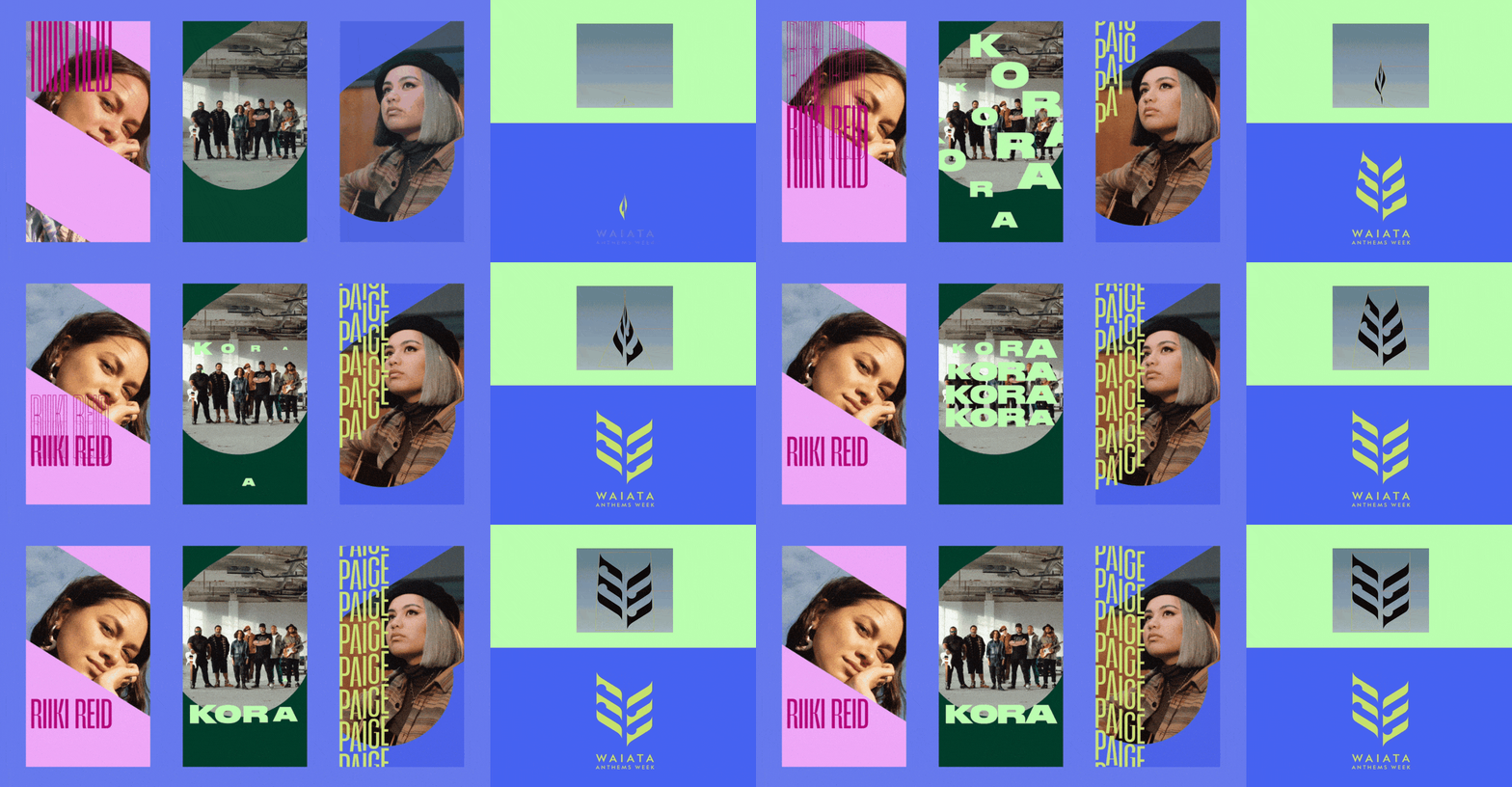
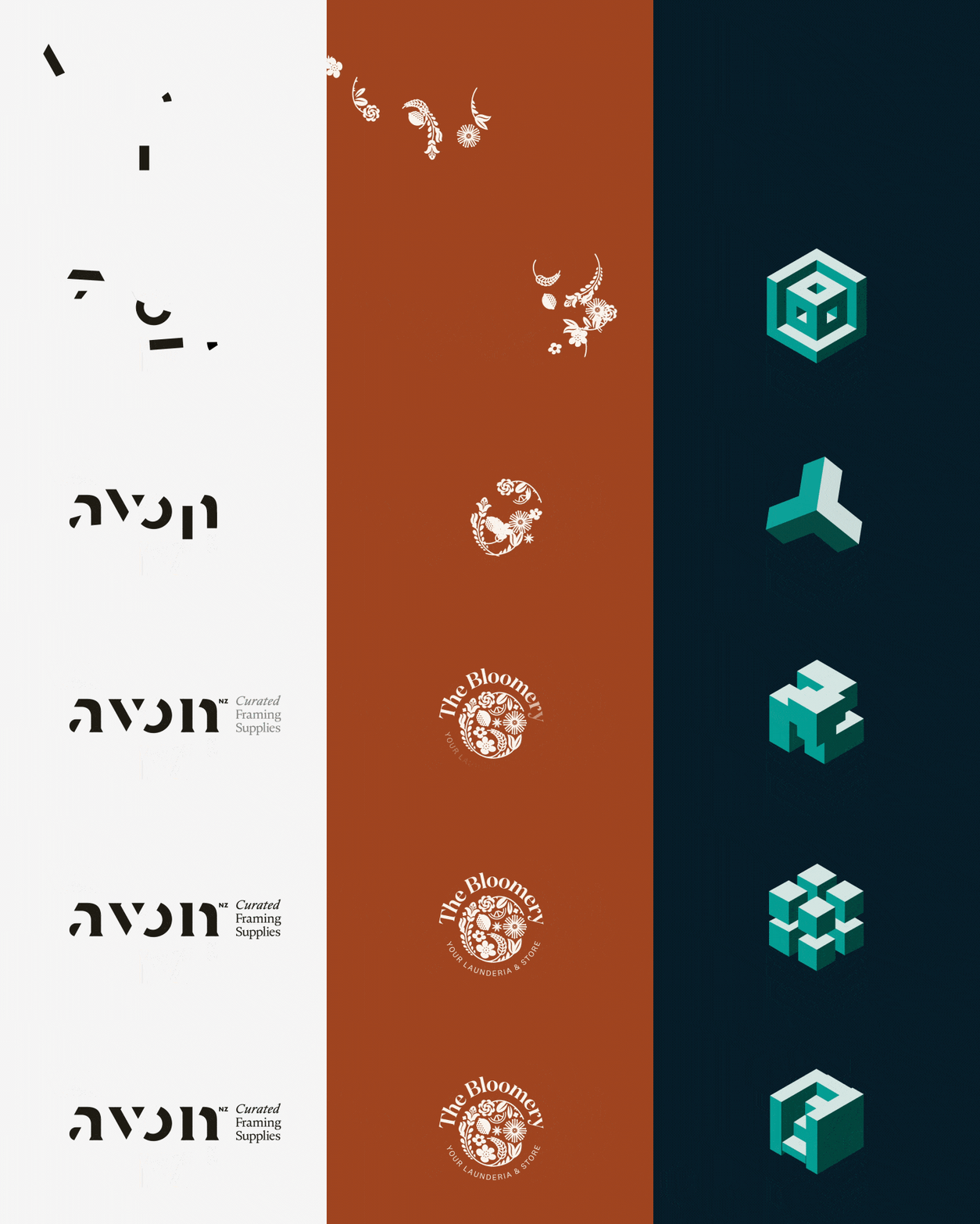
My favourite project since moving here got stalled after the storyboards were finalised. Always the way eh! However the projects that I am always most proud are those that uplift Te Reo Māori. I’ve been lucky in the past to work with LIKEMINDS on the Aotearoa Music rebrand and the Waiata Anthems campaign as well as contributing to a museum installation in Punakaiki.
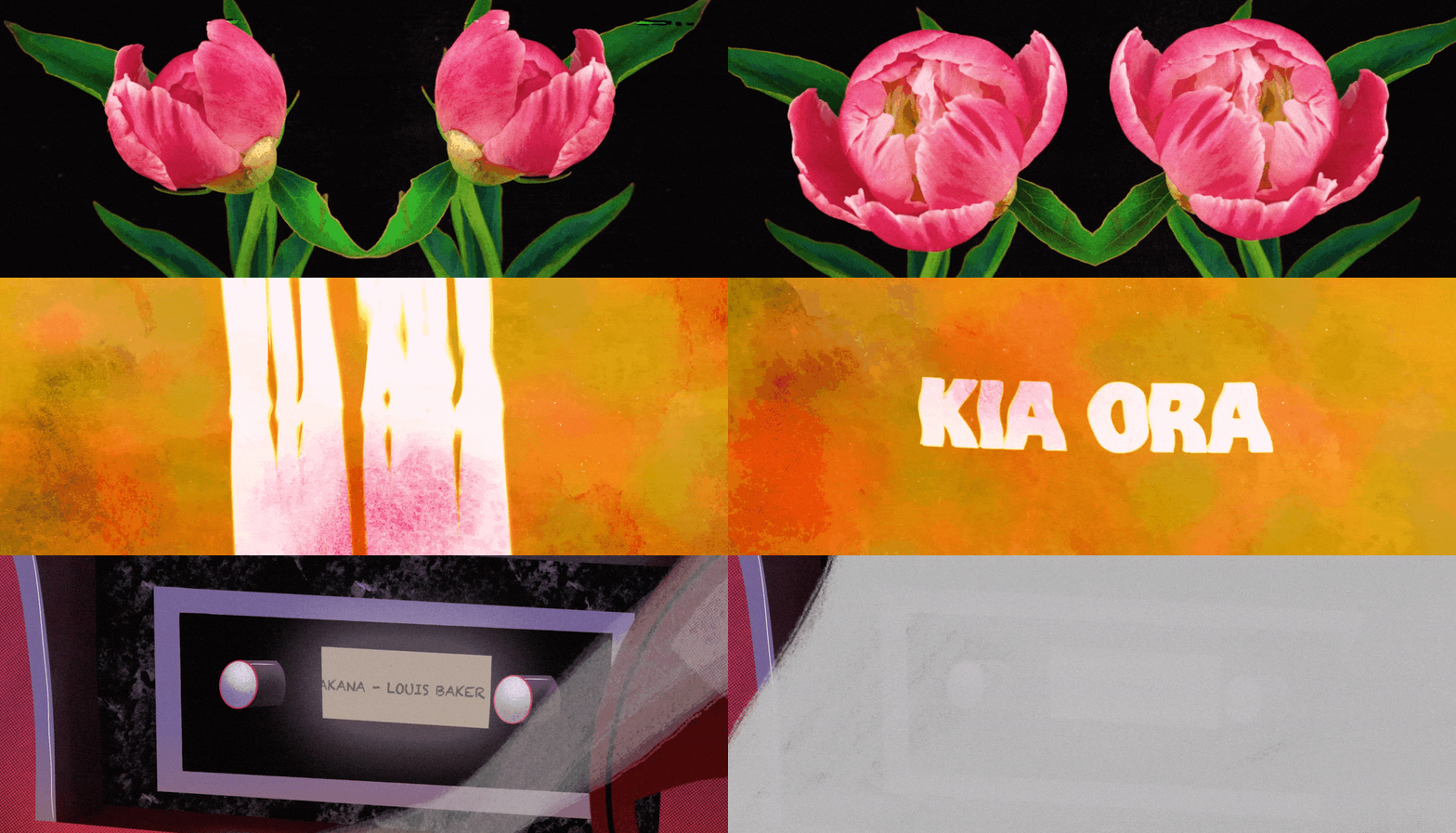
Do you find yourself gravitating toward particular types of work? (explainers, ads etc)
My work has always been very broad, explainers, ads, website, museum pieces and good old case studies.
But I always get really excited when I work on design-led brand film, meaning I get to push and set up the motion style for that brand and bring to life how the brand moves and feels. I also love working with musicians on music videos and stretching the possibilities of motion design to create interesting work..
How do you choose what to say yes to and what to walk away from?
Scheduling availability is usually the biggest factor as I like to keep an open mind to new work. I’ve been able to develop my art direction and illustration skills which has expanded the types of projects I work on.
While the vast majority of people I’ve worked with have been lovely, there are unfortunately instances where work has been turned down if I think the client is not respecting my time, craft or creative input.
What’s been one of the hardest lessons to learn in your creative career so far?
Learning to advocate for yourself. I mistakenly agreed to what I hoped would be quick job for much less than my usual rate since I had last minute availability. The project ended up suffering from major scope creep and I felt as though my time wasn’t being respected, I learned that I needed to navigate this situation confidently yet collaboratively.
Thankfully, after a few carefully crafted emails the issue was fixed, however, this was an issue I have never encountered back home
What advice would you give to other young motion designers in New Zealand who are thinking about taking their work overseas?
Research as much as possible before you go. Find not only the local studios but also look for the creators on Instagram and Tiktok, local community channels on Slack and Discord and other people in your field on LinkedIn. I’ve been surprised at how much LinkedIn is used here, and have found a few projects this way. I suggest using a tool like MailSuite to track the open rate on your cold emails and a CRM to track your outreach. If you’re freelancing, definitely find an accountant in the country you are moving to for help transitioning to the new tax regulations. Overall, be open to new experiences, reach out to everyone and try things out that you might not have done at home.