5 Minutes with Nick Kapica
Members of Design Assembly make up a network of Friends working together to build a thriving design scene in Aotearoa New Zealand. Our ‘Five Minutes’ series profiles the breadth and depth of design practice in our network.
Nick Kapica is an independent consultant who describes his practice as Experiential Graphic Urbanism. He adopts a postdisciplinary, planet-centric approach, driven by curiosity, collaboration, and a desire to create places that are not just functional but deeply felt.
Tell us a bit about your design journey so far:
It has been shaped by curiosity, experimentation and a deepening interest in how people experience place.
In 1983, I was involved in set building and lighting in London’s fringe theatre scene. While visiting Ravensbourne College of Design and Communication with the intention of studying filmmaking, I ended up walking into the wrong building. This unexpected detour led me to discover typography and the Visual Communication course, and I began studying there in 1986.
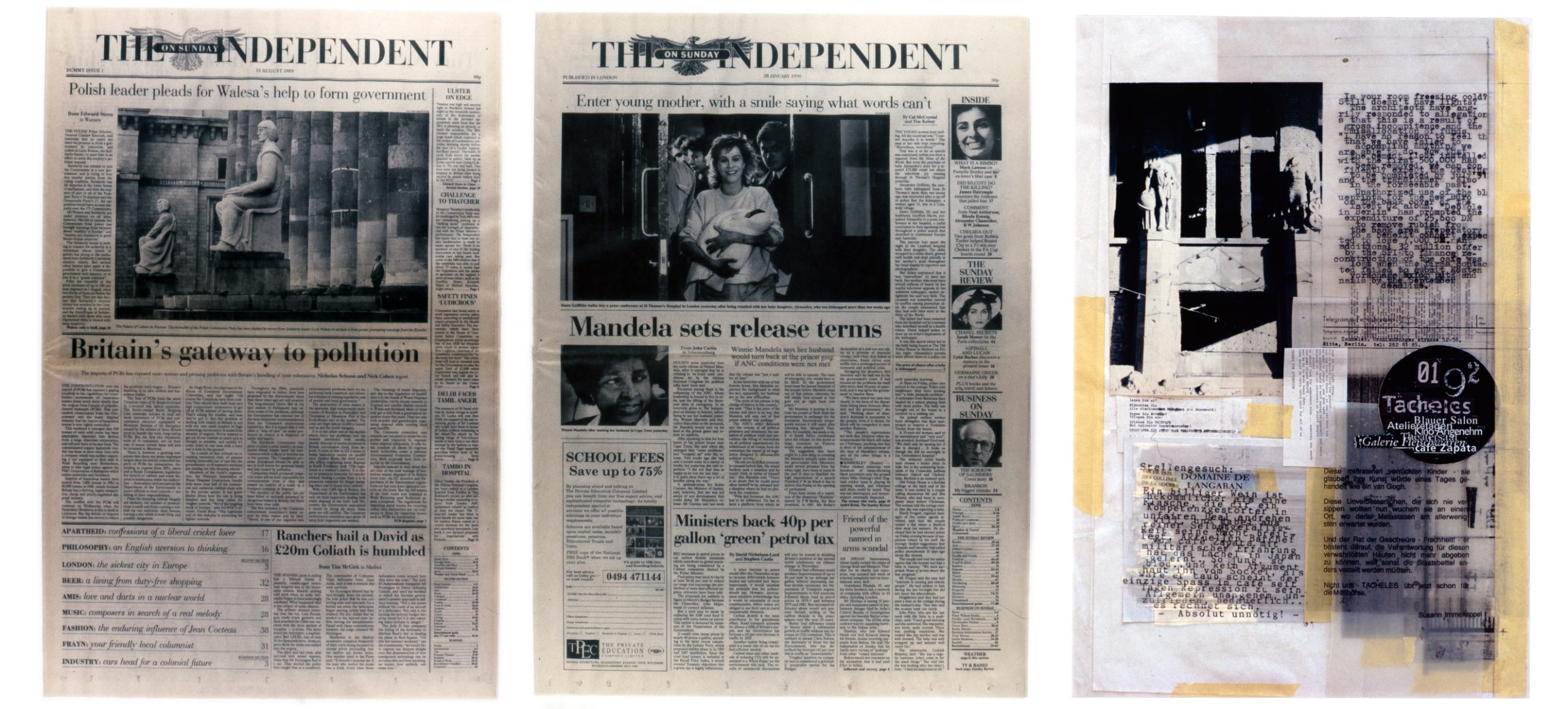
My first design job was with The Independent newspaper, where I became part of a three-person team tasked with creating the inaugural Independent on Sunday. For months, we worked alongside editors and journalists on a ‘secret’ floor of the building, producing multiple ‘dummy’ editions before the first issue launched on 28 January 1990. That intense immersion in news and current affairs soon led me to explore Eastern Europe during a time of revolutionary change.
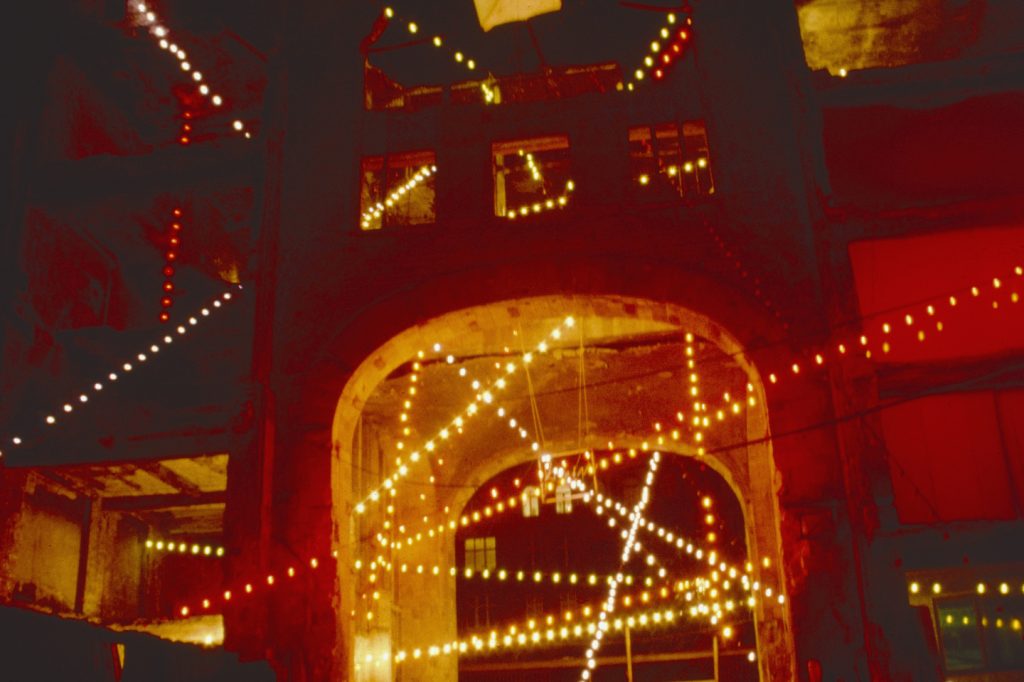
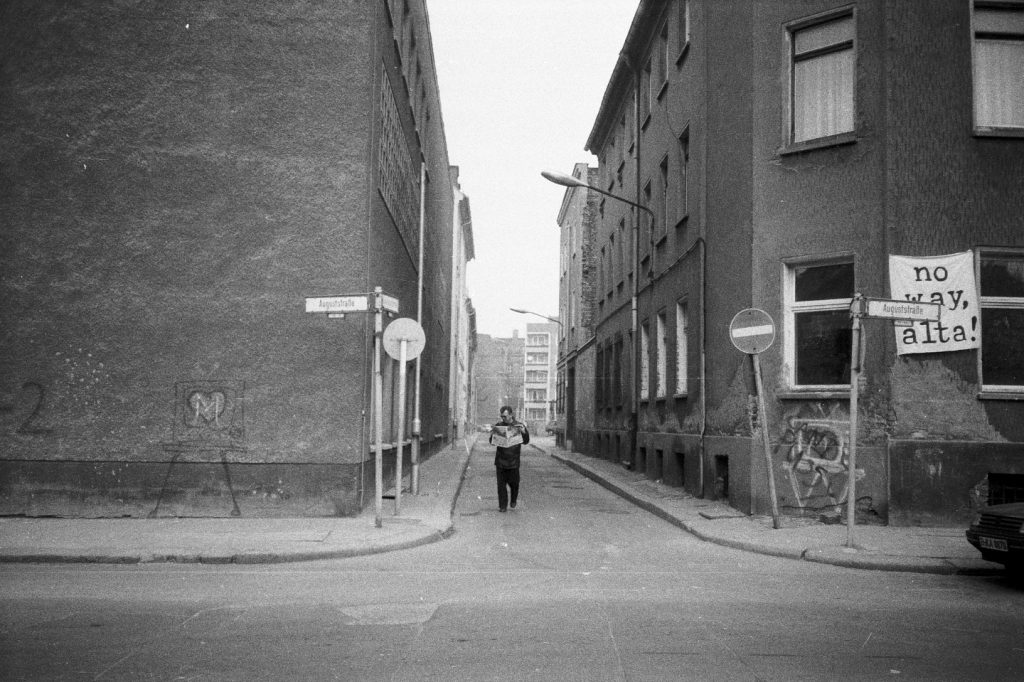
I moved to Berlin and over the next decade immersed myself in the city’s emergent club scene, co-founding one of the first Berlin techno clubs with Tim Richter. I explored anti-design and the art scene. Amidst a post-reunification surplus of now-undesirable East German products there was an abundant accessible supply of materials to experiment with. Berlin was a city in flux, offering rare freedom and the sense that anything was possible. It encouraged experimentation and collaboration, and I thrived working alongside a diverse group of creative thinkers, artists, designers, and misfits from around the world. One notable project was an installation within the ruins of Kunsthaus Tacheles, constructed from a large stock of incandescent bulbs in collaboration with Rod Beaver and Klaus Keller.
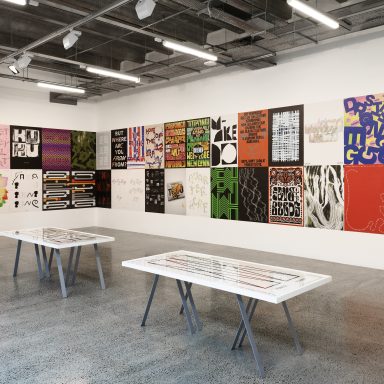
These experiences—building clubs and art installations—led to the formation of the design studio Ständige Vertretung. We worked on a wide range of projects, from posters and brand identities to exhibitions, wayfinding, and urban experiences. During this period I also co founded the Spreefeld housing cooperative, a bold experiment in collective urban living. It reflected my growing interest in how we live together in cities and how design can foster more connected, sustainable communities. Although we left Berlin just as construction began and never lived in it, the experience had a lasting impact, shaping my thinking on urban housing models and the role of design in supporting communal life.
In 2009, I relocated to Aotearoa New Zealand to contribute to the redesign of Massey University’s CoCA design programme. Becoming a full-time academic provided space for reflection. It deepened my passion for design thinking, experience design, and cities. I completed a Master of Design and subsequently took a leadership role at Wellington City Council, where I became guardian of the city’s brand and an advocate for design thinking in civic strategy. This role further entwined urbanism and brand in my thinking.
Seeking greater involvement in city-shaping projects, I joined the integrated design studio Isthmus. As Principal, I championed a transdisciplinary approach and introduced UX design thinking to prototype and test future urban experiences with users in real time.
Now, as an independent consultant, I describe my practice as Experiential Graphic Urbanism. I adopt a postdisciplinary, planet-centric approach, driven by curiosity, collaboration, and a desire to create places that are not just functional but deeply felt.
Tell us about your studio and services:
I use the term Experiential Graphic Urbanism to describe the interplay of graphic, spatial, and urban design.
I love cities—their energy, the potential they offer for a more sustainable and connected future, and the complexity they hold. Cities are layered, full of contrasts, and that’s precisely why experiential design matters. It helps people navigate this complexity, feel grounded, and connect meaningfully with their surroundings.
For me, design is never just about isolated elements like signage, type, or materials. It’s about how these elements interact with architecture, public space, the urban rhythm, the graphic language of place—and even what’s inside, from services to food. When these layers come together, they create something greater than the sum of their parts: a feeling, a mood, a true sense of place.
Although I work independently, the projects I undertake are deeply collaborative. I regularly collaborate with architects, landscape architects, urban designers, spatial designers, and industrial designers. It’s in the overlap and interplay of these disciplines that the most thoughtful and enduring solutions emerge.
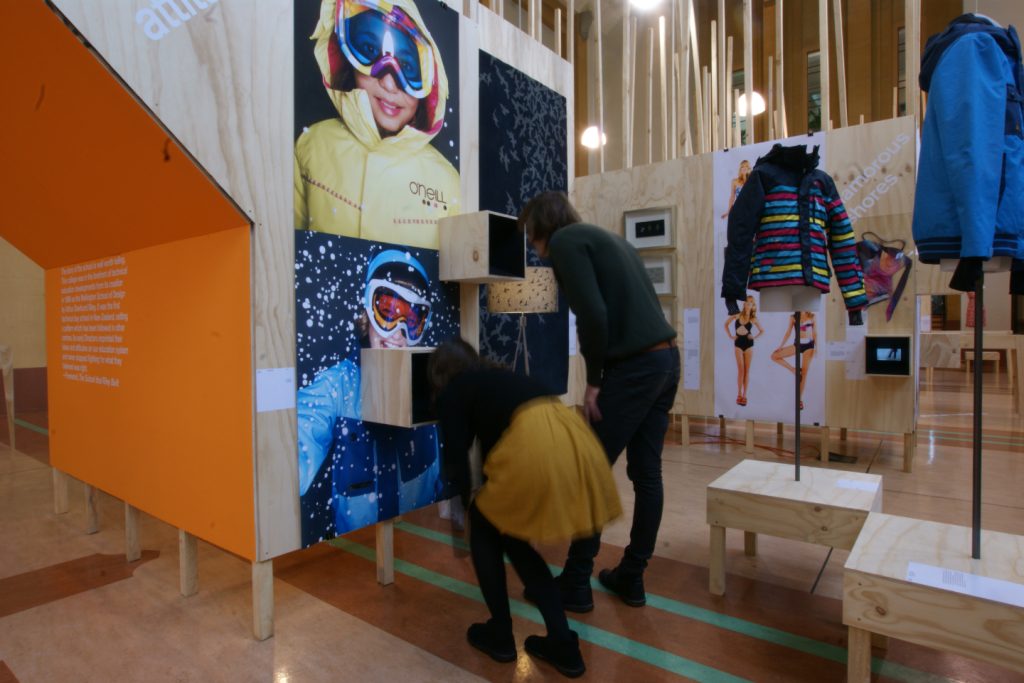
What does your design process and philosophy look like?
My design process is grounded in the Double Diamond model, which encourages both divergent and convergent thinking. By engaging all stakeholders from the outset, I aim to foster a dynamic conversation that spans technical considerations, conceptual thinking, and Mātauranga Māori. This inclusive approach ensures that cultural perspectives and local knowledge are embedded from the beginning.
I prefer to explore functional requirements and conceptual possibilities independently before integrating them. This allows room to investigate emotional narratives alongside practical needs—often where the most innovative, sustainable, and iconic solutions emerge.
I consider myself a post-disciplinary designer, moving beyond traditional boundaries to adopt a fluid, holistic approach to problem-solving. This approach draws on skills and methods from various fields and practices, resulting in solutions that are innovative, adaptable, and collaborative.
Projects typically unfold through four clearly defined stages: Preliminary Investigation, Concept Design, Developed Design, and Detailed Design. These phases offer room for iteration and feedback, with deliverables tailored to suit project timelines and client needs. Prototyping, early idea testing, and feedback loops are central to my workflow.
What does a typical day in your studio look like?
I now work from a tiny studio with a fantastic view—and I’m still adjusting to the fact that it’s just me. It’s a big change from my time at Isthmus, where I was part of a 120-person team and there was someone to manage almost everything. Now, I’m responsible for everything—from strategy to the daily tasks—and that’s transformed what a “typical” day looks like.
My days are far more varied now, and I really enjoy the freedom that brings. When I’m working from home, I usually start with a relaxed breakfast and some time to think. If I’ve got meetings in the city, I often fit in a gym session around them. On other days, I head out to a workshop I use in Pito-one—and, if I do, stopping by the House of Good Fortune for coffee is a must.
And when it’s windy, there’s a good chance I’ll swap my desk for my kite and head out for a session. It’s all part of the rhythm: thinking, making, moving, and enjoying the flexibility that this new phase allows.
What’s one thing that you would like all of your clients to know?
I sometimes wish clients could see beyond the specific role I’m filling on a project. If I’m working on wayfinding, that can become the box I’m expected to sit in—but my background is broader than that. I don’t want to do everything myself—in fact, the best results come from collaboration with others who bring their own expertise. But what I can bring to any team is a systems thinking mindset: an ability to zoom out, see the relationships between things, and help shape a more cohesive, intentional whole.
What are your favourite tools in the studio?
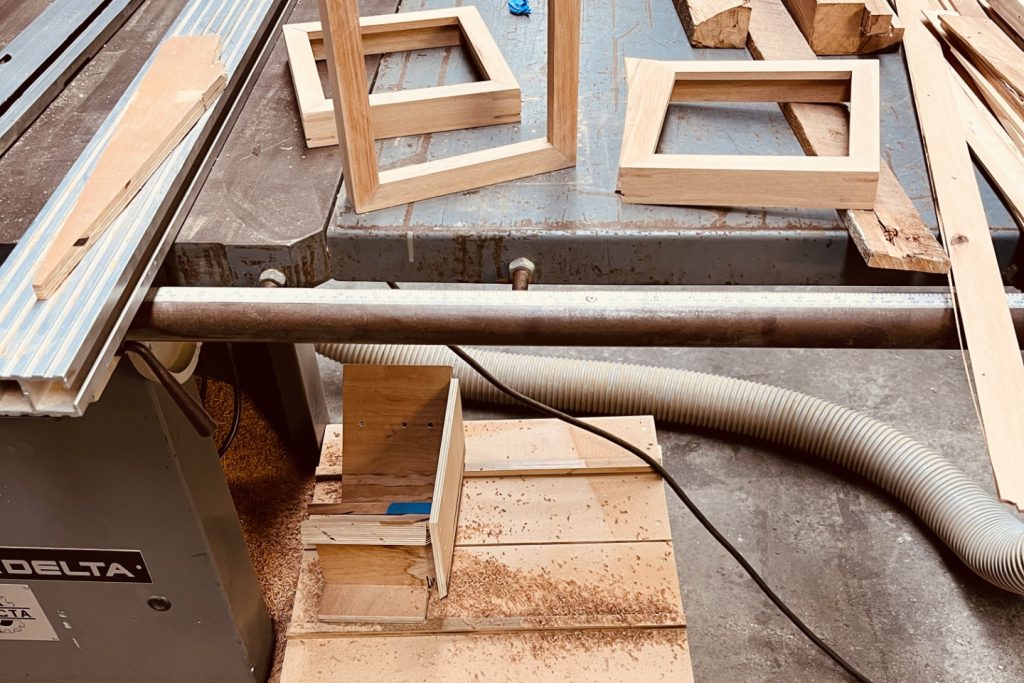
The table saw and the MacBook—though they couldn’t be more different, I love them both.
The table saw is loud, dusty, and rooted in place. It demands full attention. Recently rediscovered, it pulls me away from my other favourite tool—the MacBook—and into the physicality of making. It’s a reminder of the value in slowing down and working with my hands.
I was an early adopter of laptops for design, buying my first Apple PowerBook 500 in 1994. It gave me the freedom to work anywhere, and with it came the idea of the transparent studio—untethered, portable, open. That shift in how and where design could happen sparked my interest in workplace design, and I’ve been using Apple laptops ever since.
What are your favourite types of projects to work on?
Experiential graphic urbanism! It’s a term that covers a lot of ground, but at its core, it’s about working at the intersection of systems, spaces, and experiences. These projects are always connected to something larger—the fabric of a city, a civic network, or a cultural narrative. What excites me most is when the work contributes to better cities and more meaningful experiences within them. Whether it’s wayfinding, brand integration, or shaping public space, I’m interested in how all the parts come together to support a richer, more connected urban life.
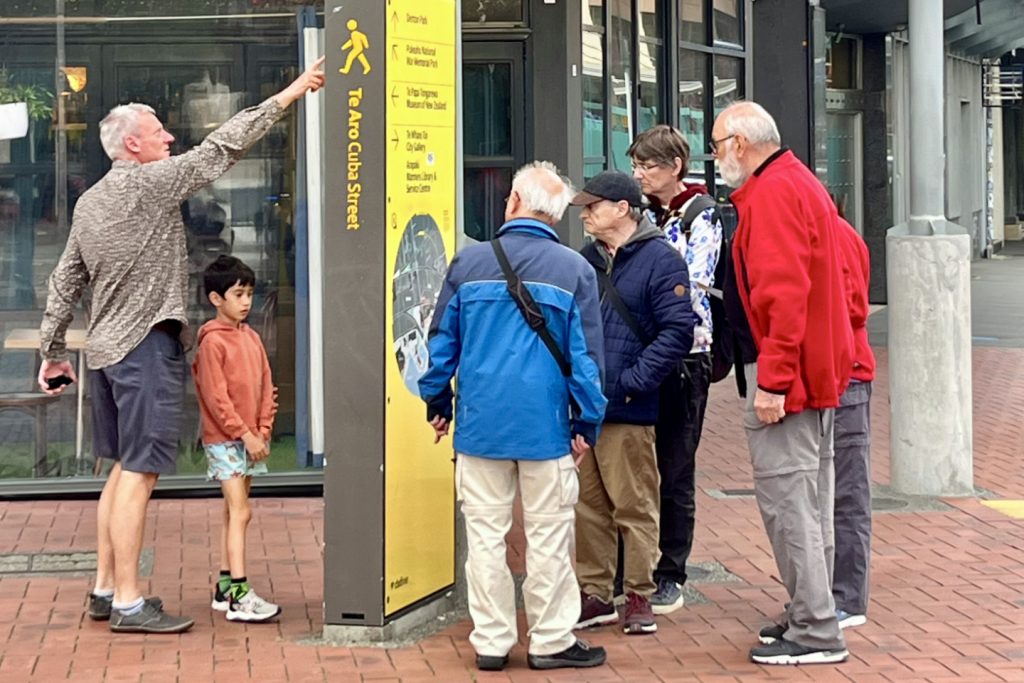
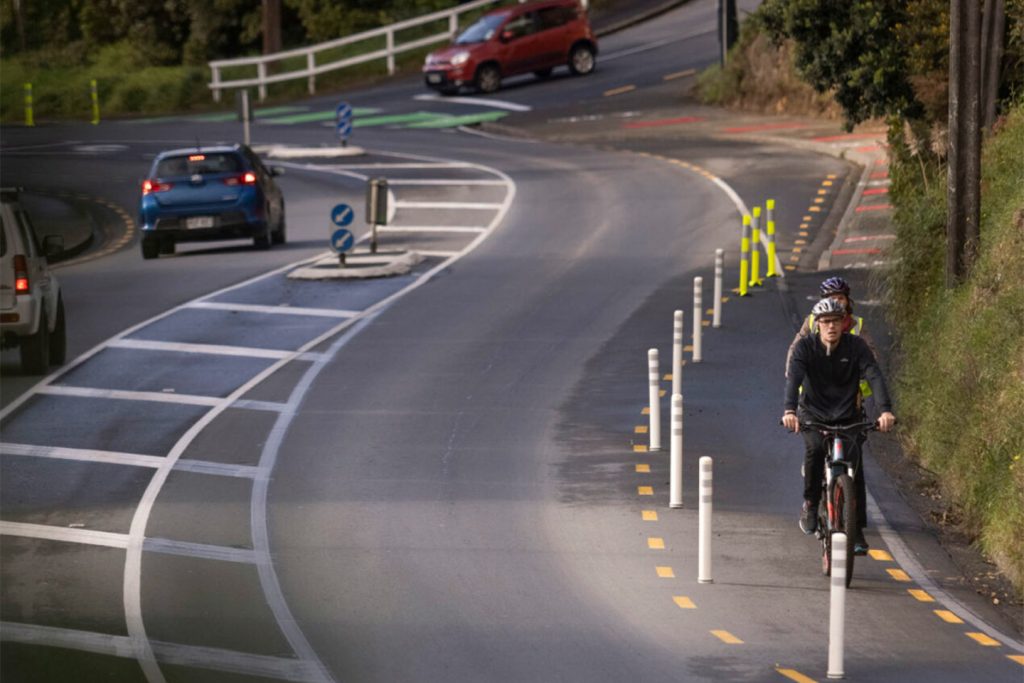
One example of this approach is my work on Paneke Pōneke—Wellington’s Bike Network Plan, which set an ambitious goal to deliver 166km of connected routes for bikes, scooters, and skateboards. The project was a combination of tactical and permanent changes, and I led the Isthmus Design team in delivering both the early trial and the ‘swift changes’ programme. Brooklyn Hill was among the first tactical interventions—an example of how design can enable positive change through participation, prototyping, and learning by doing.
What project are you most proud of?
Projects are like your children—there’s never just one favourite. Each has its own personality, challenges, and rewards. Some I’m proud of because they landed beautifully. Others because they made a real impact. And then there are those that stretched every bit of my strategic and negotiation skills just to get them off the ground. What matters most to me is when a project genuinely shifts something—how people move, feel, or connect with a place. That’s the kind of work that stays with you. I do think the current project is always the special one. Right now, I’m working on two libraries, two civic buildings, and a precinct—I am proud of them all.
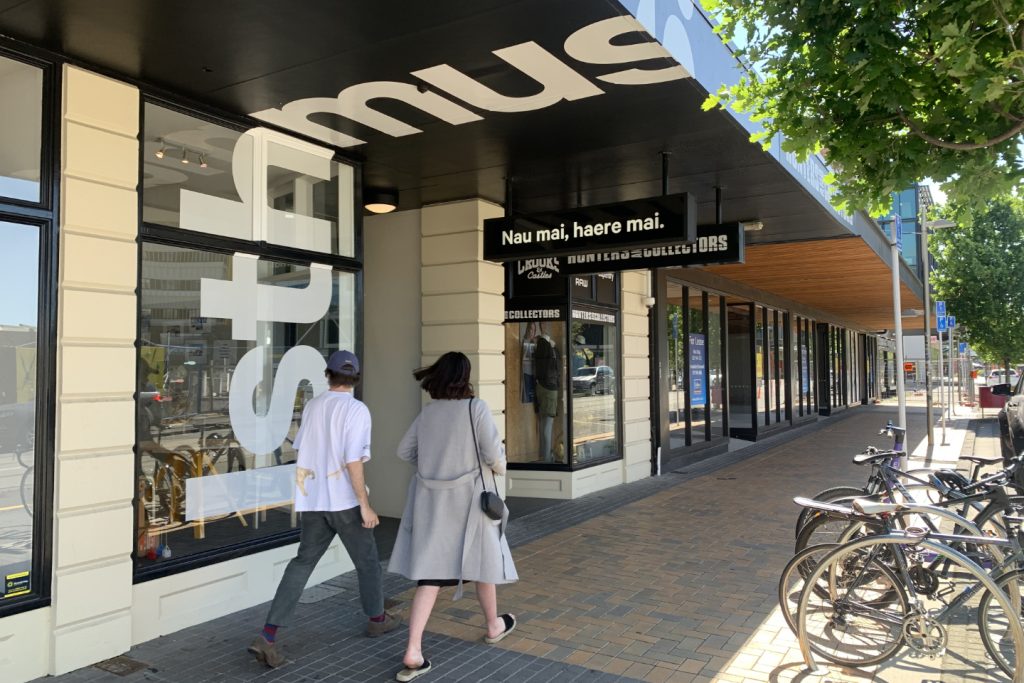
Some projects stand out because they landed beautifully in unexpected ways. For example, when Isthmus decided to open a studio in Christchurch, we took time to consider the micro-typographic details that made the shopfront and awning work together. This project exemplifies how macro ideas come to life through the smallest of details.
Do you have any advice about our industry for emerging designers or career changers?
Think more about the change you can make through design, rather than just focusing on how something looks. Design has the power to shape experiences, influence behaviours, and improve lives. It’s not just about aesthetics—it’s about the impact you have, the problems you solve, and the stories you tell. Embrace the opportunity to create meaningful change and approach your work with curiosity and a mindset that looks beyond the surface.
Where do you draw inspiration from?
Everywhere! Travel is crucial for a designer—experiencing how different cities and cultures approach everyday life provides invaluable insights. It’s not about copying, but learning from how others tackle design challenges and shape solutions with their unique thinking.
A key source of inspiration for me is Lucius Burckhardt’s Why is Landscape Beautiful? The Science of Strollology. He explores walking not just as a means to get from point A to point B, but as an experience that allows us to notice and connect the overlooked aspects of our surroundings. This idea, influenced by the Situationists’ practice of dérive and thinkers like Roland Barthes and Michel de Certeau, frames the city as a dynamic, living dialogue. These perspectives inspire me to view design as an evolving experience shaped by our interaction with the world around us.
I’ve always loved travel and the systems that guide me from A to B. One of my early projects with Andy Lawrence was designing an airport wayfinding system, which remains a memorable experience. We enjoyed working at the intersection of user experience, graphic design, industrial design, and spatial design. By blending our learned knowledge with our personal experiences as travellers, and collaborating with other experts where necessary, we created something functional, intuitive, and reflective of the unique character of the place.
What hobbies or interested do you have outside of work?
I’m passionate about kitesurfing and snowboarding—both activities give me the freedom to engage with nature and challenge myself physically. I’ve also been building vans for quite some time, creating the perfect mobile base to travel to spots where I can enjoy these sports. More recently, I’ve been making picture frames from rimu that I saved from the landfill, repurposing the wood for a new purpose.
Where can people connect with you?
My website, Insta and LinkedIn.
Members of Design Assembly make up a network of Friends working together to build a thriving design scene in Aotearoa New Zealand. Our ‘Five Minutes’ series profiles the breadth and depth of design practice in our network.
Ready to shine a light on your practice? Submit your story to Five Minutes With, today.