2025 Hot New Things: Sam Wixon, Te Herenga Waka – Victoria University of Wellington
Design Assembly profiles a selection of the top graduates from the best Art and Design Schools in Aotearoa New Zealand. We welcome these talented emerging professionals to our industry, learn about their passions, final projects, developing creative confidence and ambitions for the future.
Today we speak with Sam Wixon who recently graduated with a Bachelor of Design Innovation, major in Design for Social Innovation from Te Herenga Waka—Victoria University of Wellington. Find out more about undergraduate and postgraduate study options in art and design by visiting our Design Schools page.
Tell us a bit about yourself:
He uri au ō Kāi Tahu, Kāti Māmoe, Waitaha, Ngāti Toa Rangatira, mē Moriori.
Ko Sam Wixon ahau.
I am a recent graduate from Te Herenga Waka – Victoria University of Wellington studying a Bachelor of Design Innovation with a major in Design for Social Innovation and a minor in Māori Resource Management.
I’m passionate about designing, creating, and advocating for a better future for our mokopuna and doing so in a way that honours our tūpuna.
Over the last four years, I’ve been honing my skills as a Māori designer, studying social innovation and developing my practical skills through my work as a Kaimahi at Tokona te Raki, our Ngāi Tahu Social Innovation Lab.
What was the focus of your graduating project?
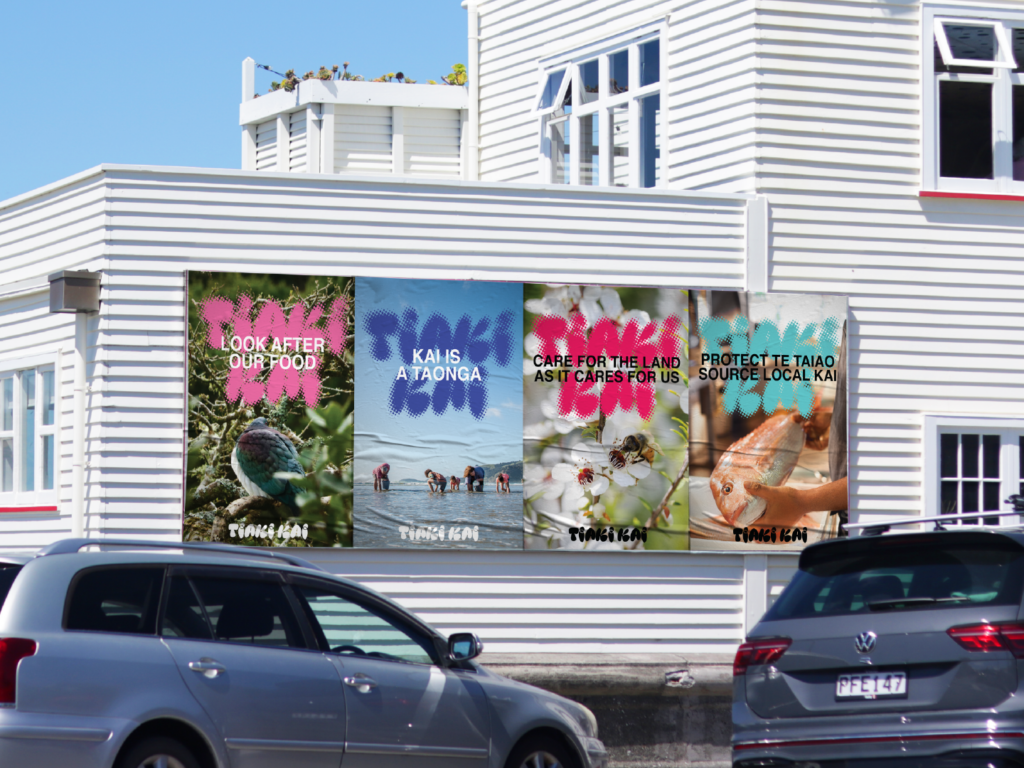
We were challenged to “design products, systems, services, experiences, or interventions that will raise awareness, motivate action, and support volunteerism for the protection of Aotearoa’s native flora or fauna”.
As Māori, we have an inalienable connection to the taiao – it is our whakapapa. So, for me, this kaupapa was about more than just protecting flora and fauna; it was about decolonisation, rangatiratanga and the reclamation of culture.
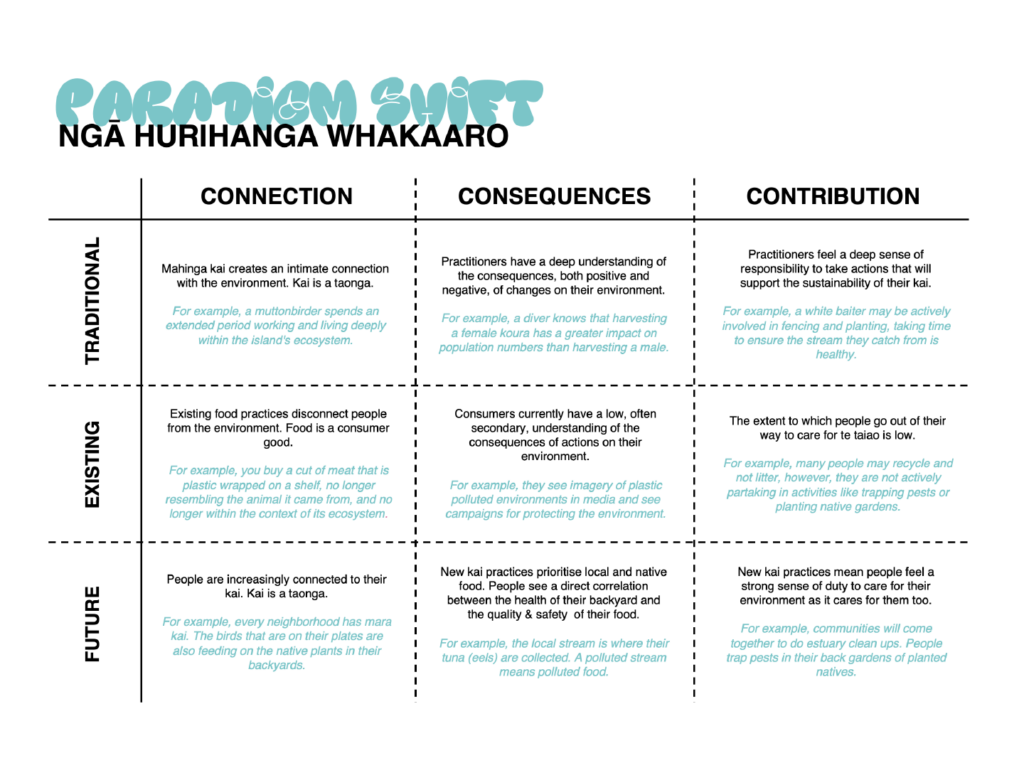
As someone who comes from a muttonbirding whānau, I was immediately drawn to exploring how, through the reclamation of mahinga kai (traditional food practices), we could empower rangatahi to be more active kaitiaki. Inherent to mahinga kai is our duty to act as kaitiaki.
In my project, through various collaborative and iterative processes, engaging with rangatahi, our taiao, and matanga, I uncovered a vision for a new future where our relationship with our kai and environment was reciprocal, like our tūpuna, rather than today’s exploitative paradigm.
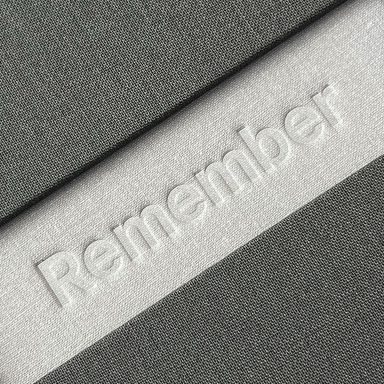
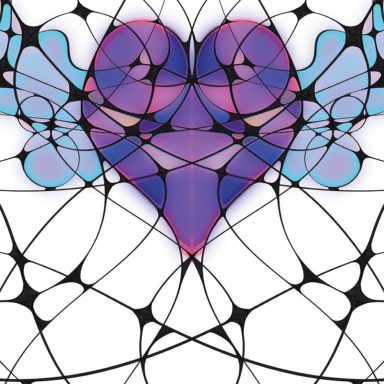
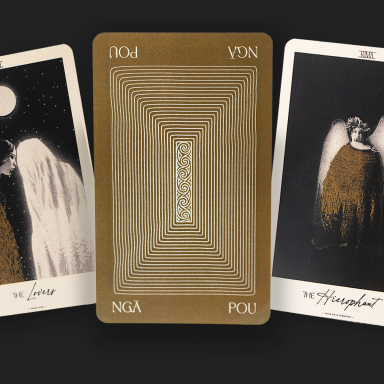
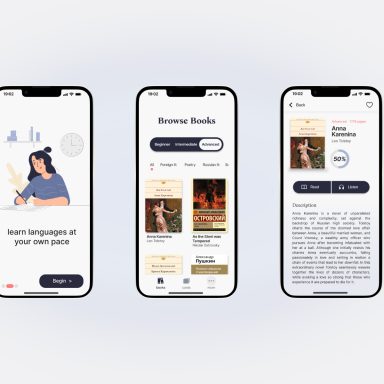
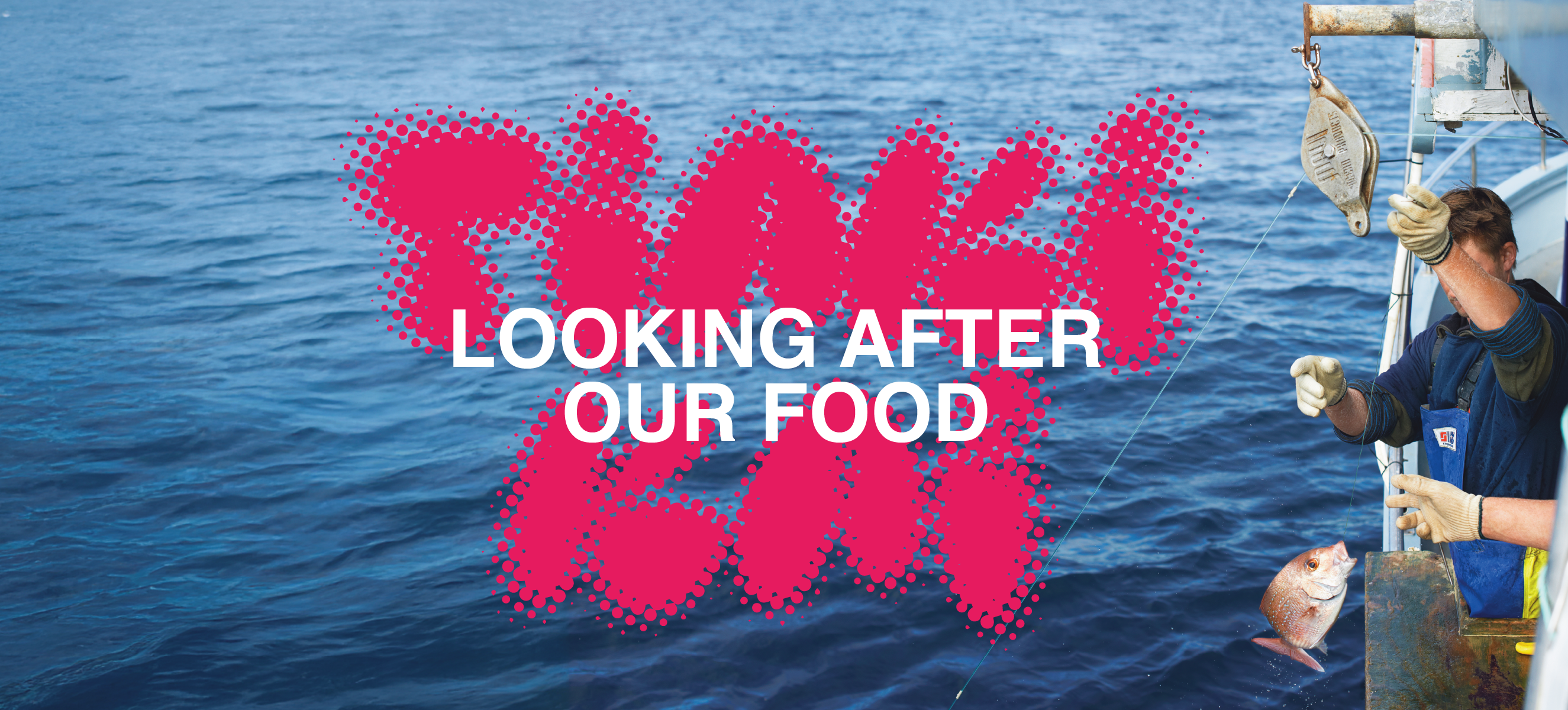
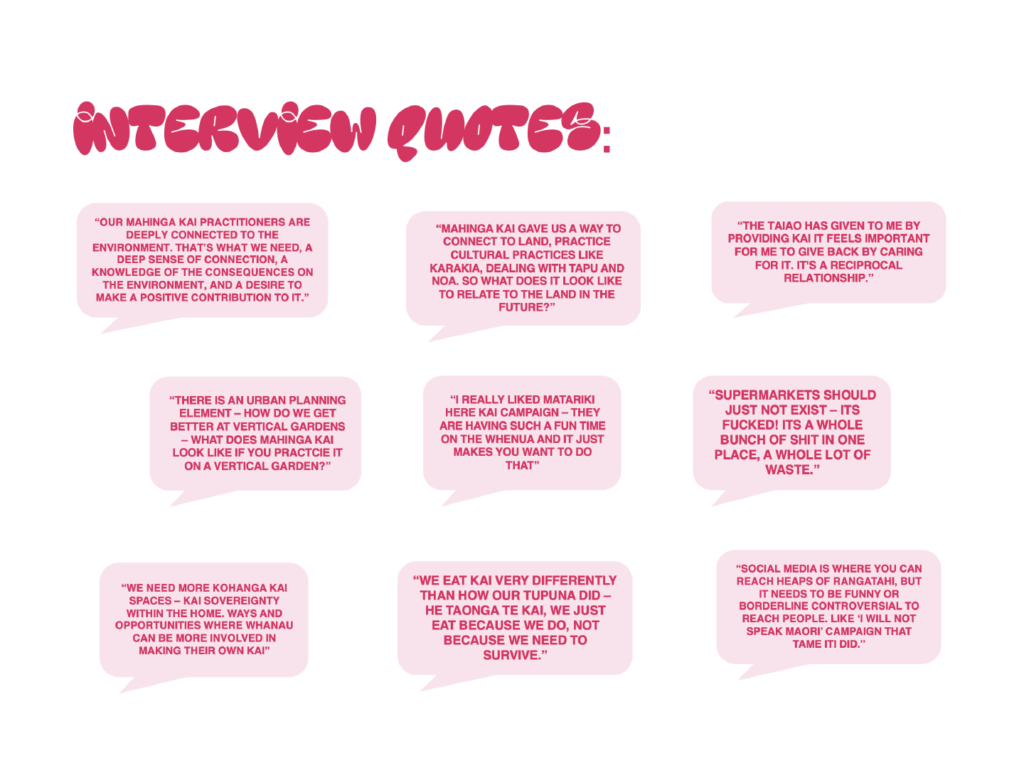
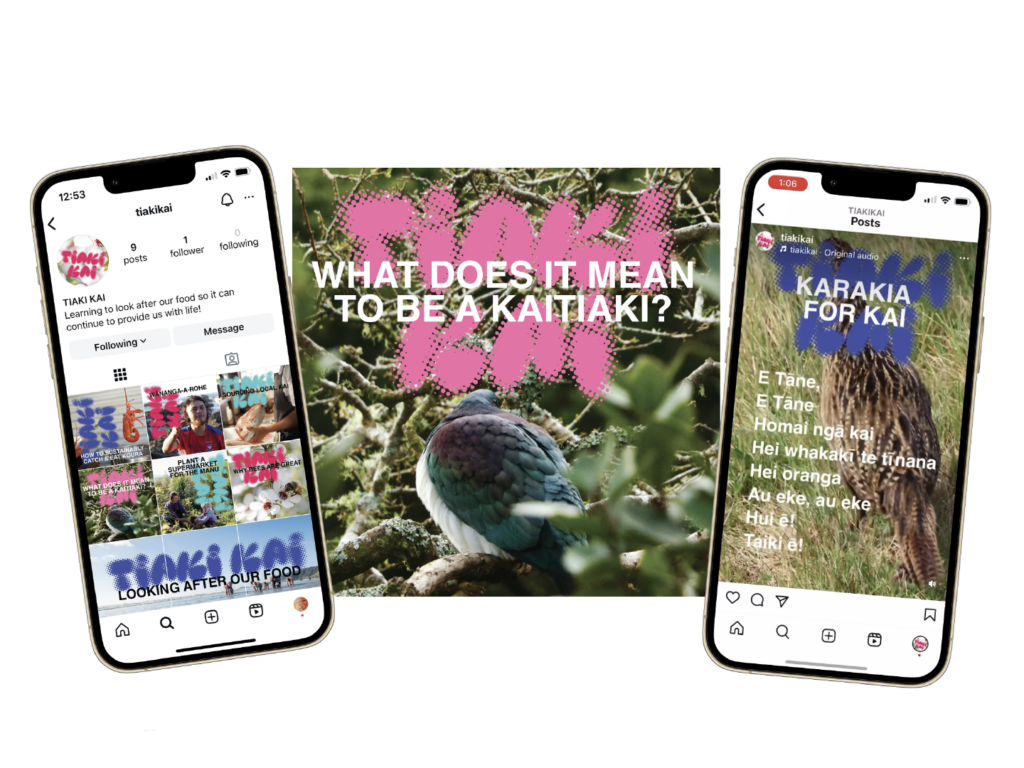
With the goal of enabling our rangatahi to navigate us to this new future, I developed a campaign called “Tiaki Kai: Looking after our food” that uses physical posters, social media, and wānanga to build a community of rangatahi changing the future.
Why did you choose to study design at Te Herenga Waka – Victoria University of Wellington?
The Design for Social Innovation programme was a way to equip myself with the skills to support my hapū, iwi, and wider Aotearoa to design a better future for our mokopuna.
Design for social innovation is a multidisciplinary programme that focuses on methodologies to work collaboratively with people, place and planet to design for good.
As someone who loved not just design but also politics, economics, entrepreneurship and kaupapa Māori in high school, design for social innovation gave me the opportunity to weave my passions together to use design to create the change I want to see in the world.
What did you enjoy most about the design programme?
Being exposed to new ideas and ways of thinking, including exploring power dynamics, design justice, deep time, more-than-human centred design, collaborative design, and indigenising design practices.
These new ideas enabled me to build a deeper understanding of who I am as a designer and how I can approach problems in new and different ways. This helped me to develop skills that create deeper and more meaningful design solutions.
What was your biggest challenge while studying?
Balancing full-time work with my studies. I had the opportunity and privilege to work full-time at Tokona Te Raki, our Ngāi Tahu social innovation lab, while studying, which was incredibly rewarding but also demanding.
Managing both required strong time management skills, but I found that making the time to do things to look after myself was most important. Things like taking time to go for walks in our taiao or listening to music, all really helped.
I’m still early in that journey learning how to find a good balance and prioritise that time to destress and refocus.
What inspired you to pick design as a career path?
My Dad, Karl Wixon, a designer, changemaker and a founder of Ngā Aho Inc the national network of Māori DesignersTM (Trouble-Makers), has been a huge influence on me.
Since I can remember Dad always empowered me and my sibling’s creativity. From helping us design new vehicles for our favourite TV shows, to supporting us in starting kaupapa-driven businesses.
Dad introduced me to his world when he took me to Nā te Kore, the 2nd Biennial International Indigenous Design Forum. This was my first formal introduction to design in 2018. Here I met and learned from incredible indigenous designers who ignited my passion for indigenous design, showing me the power of marrying traditional knowledge with innovation and creativity to push our cultures forward.
Dad along with these other designers embodied an innovative and curious spirit, they are designers, troublemakers, and, as Dad says, making shift happen.
Who is your favourite designer/artist/creative?
I’m constantly inspired by Māori designers who push our culture forward into new and innovative places whilst being strongly grounded in our mātauranga and tikanga.
One of my biggest inspirations would be Rangi Kipa. The work that Rangi creates is strongly grounded in a deep understanding of te ao Māori and toi Māori, whilst pushing boundaries and moving toi Māori forward, be it his vibrant colourful carvings using Corian plastic, or meaningful and beautifully intricate carvings with bone.
I first met Rangi when I was 16 at Nā te Kore, the 2nd Biennial International Indigenous Design Forum. I remember sitting watching him work being absolutely in awe of what he was creating. In 2021, I received my first moko from Rangi at his home in Waitara. This was a truly special and influential moment for me, for hours I sat under the gun listening as Dad and Rangi kōrero about toi Māori and design. One particular moment I remember was when Rangi explained if you want to learn our art forms go into the bush and draw what you see, our tūpuna drew from our environment to create art. Moko was an extension of this; our tūpuna, using traditional tools and pigments, were literally embedding the taiao into their skin.
It was kōrero like this that taught me that being a Māori designer is much deeper than just using a certain visual aesthetic – it is about approaching design using the values, beliefs and mātauranga of our tūpuna.
What piece in your portfolio are you most proud of?
I’m most proud of my design process. For this project, I used our Ngāi Tahu process for Māori Future Making: Te Korekoreka, a process grounded in the mātauraka of our tūpuna.
Throughout my process, from problem to solution, I engaged with three key stakeholder groups; Rangatahi (who is better at designing for young people than young people themselves), Matanga (our knowledge holders, researchers and mahinga kai practitioners with in-depth knowledge of our mātauranga and the science) and Tuākana (our taiao is our tuakana – we have a lot to learn from our environment when it comes to having a healthy relationship with the species we share it with).
It was really important to me that the aspirations, whakaaro and learnings from my stakeholders were given mana throughout the process, and that my end design brought their dreams to life.
What’s next for you?
I hope to be in spaces filled with people who challenge my thinking, bring fresh perspectives, and inspire me to grow. Ultimately, I aspire to work towards a future where we are reimagining and building positive impacts for the world.
I envision a future where our mokopuna can live as Māori, fully and freely, without their identity being politicised—a world where they don’t have to fight for the right to be themselves but can flourish deeply connected to their reo, culture, and whakapapa.
I hope that our mokopuna are thriving, exercising their rangatiratanga, and shaping their futures as they wish.
Where can we see more of your work?
Find me on LinkedIn.