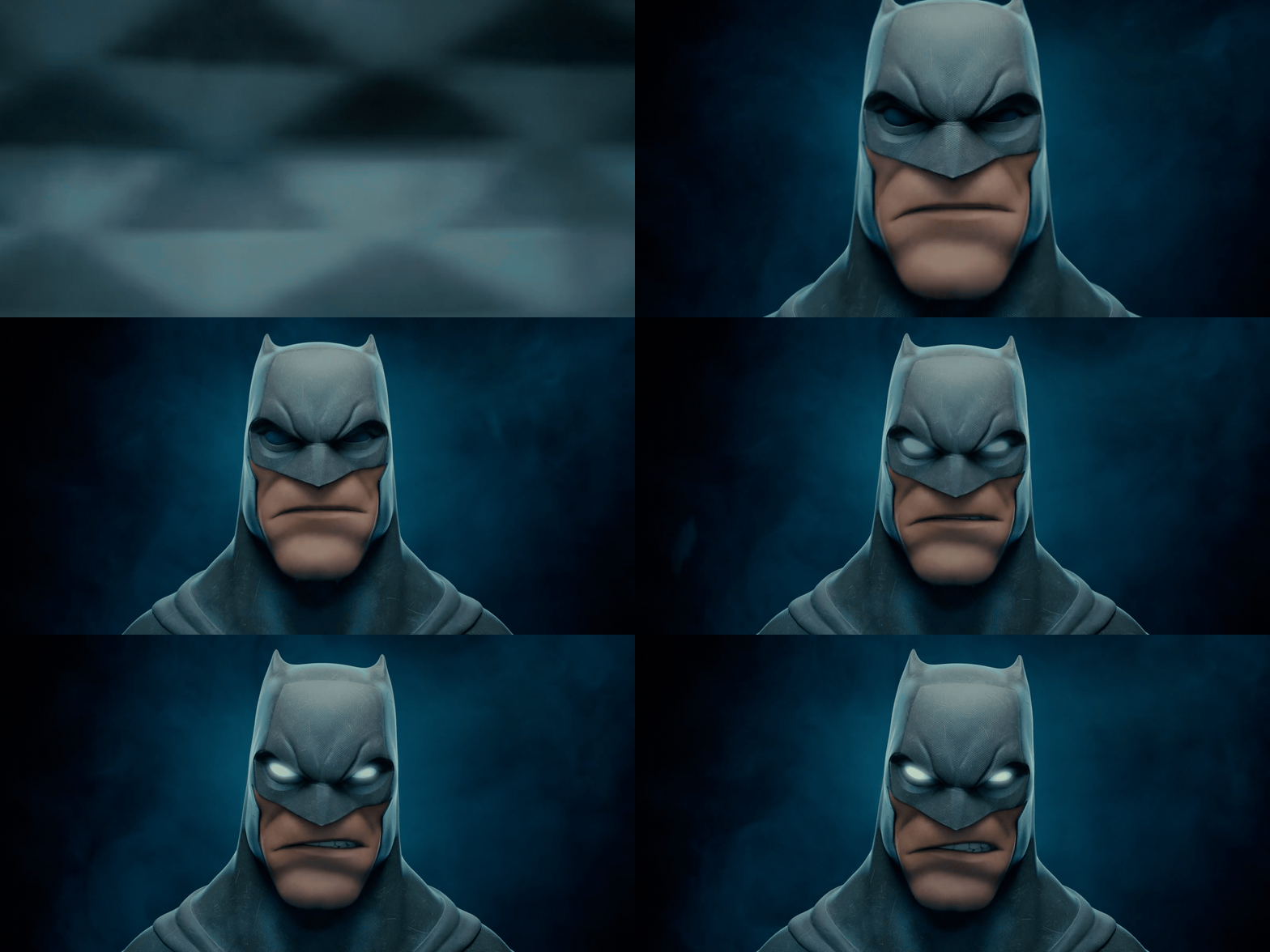
In Motion with….Dan McKay
In this series we’re shining a light on some of the people who breathe life and action into design, Aotearoa NZ’s motion designers.
This week we sat down with Dan MckKay, a 3D motion designer and digital artist with a love for cinematic storytelling, title sequences and character-driven worlds.
Brought to you in collaboration with our friends at Motion Designers Guild of Aotearoa

What first drew you into motion design? Was there a defining moment or influence that set you on this path?
I studied Computer Graphic Design many years ago (early 2000’s). Back then, a lot of the screen-based stuff that we’re used to now (web, 3D, etc) was still in its infancy, and so a lot of our learning was rooted in print. I was, however, always interested in the motion aspect of design, and how it could bring another dimension to the meaning/appearance of the work.
Specifically, film title sequences and music videos were a huge inspiration back then (and still are today!) I remember watching the likes of Seven and Fight Club, or the music videos of Michel Gondry, and being instantly fascinated and inspired by all the incredible techniques woven together to set the scene and tell a story.
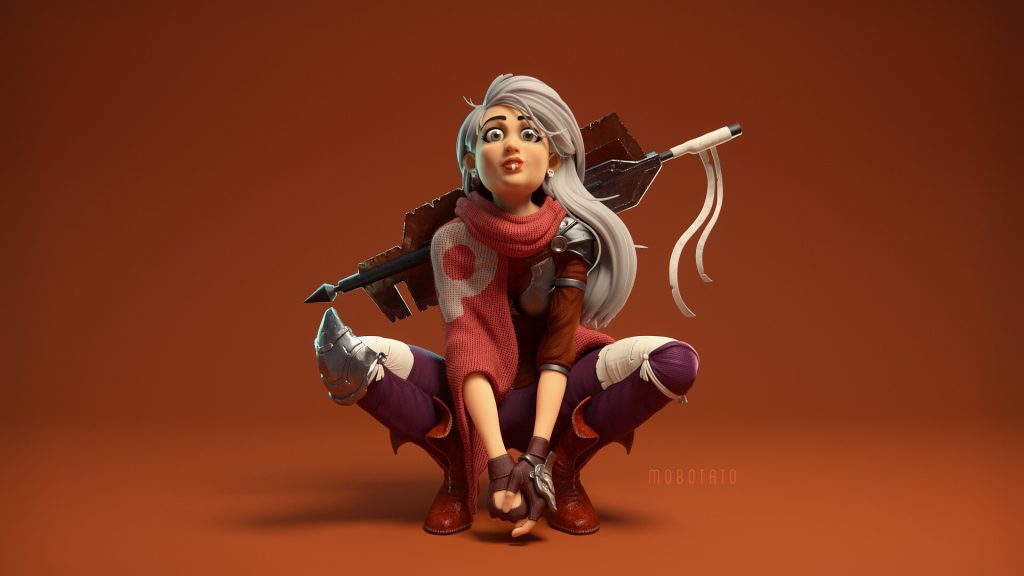
Who or what are some of your biggest creative influences at the moment and how have they changed over your career?
I find inspiration can come from anyone and/or anywhere, and tend to think of myself as a bit of a sponge in that respect. Whether it be movies, videogames, or toys, (for example) I’m always on the lookout for something that ‘clicks’.
These days, we’re inundated with so much content, it can be a bit of a minefield to find the stuff with actual substance, so I try and limit myself to several platforms where I can control the type of things I’m seeing (Artstation, Pinterest, Insta, to name a few).
Specifically, two constants are: Ash Thorp, who never stops reinventing his own wheel, and Territory Studio, who somehow always find a fresh angle on whatever brief lands on their desk.
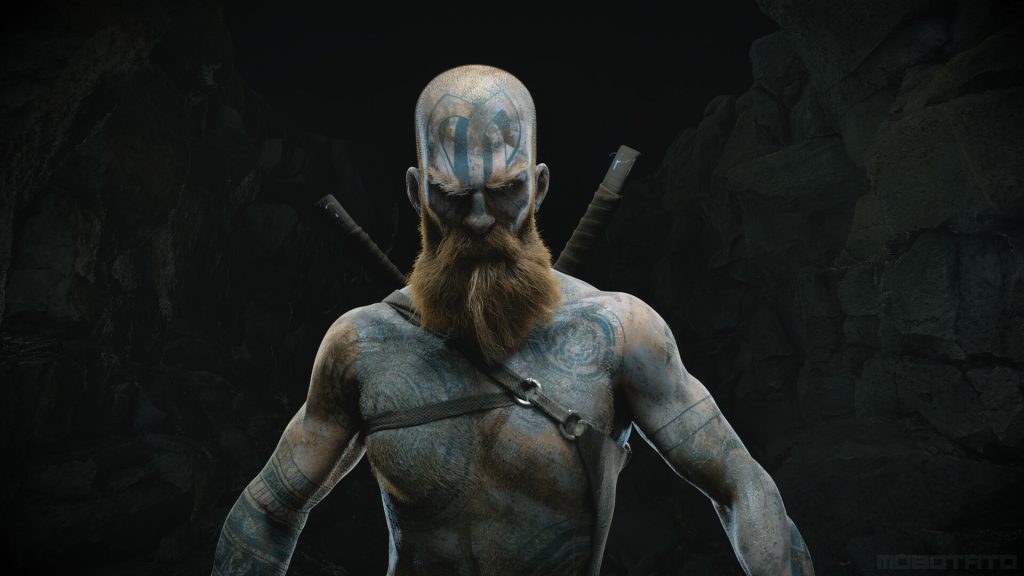
How is it your work has ended up being shown in Times Square and train stations all over Europe?
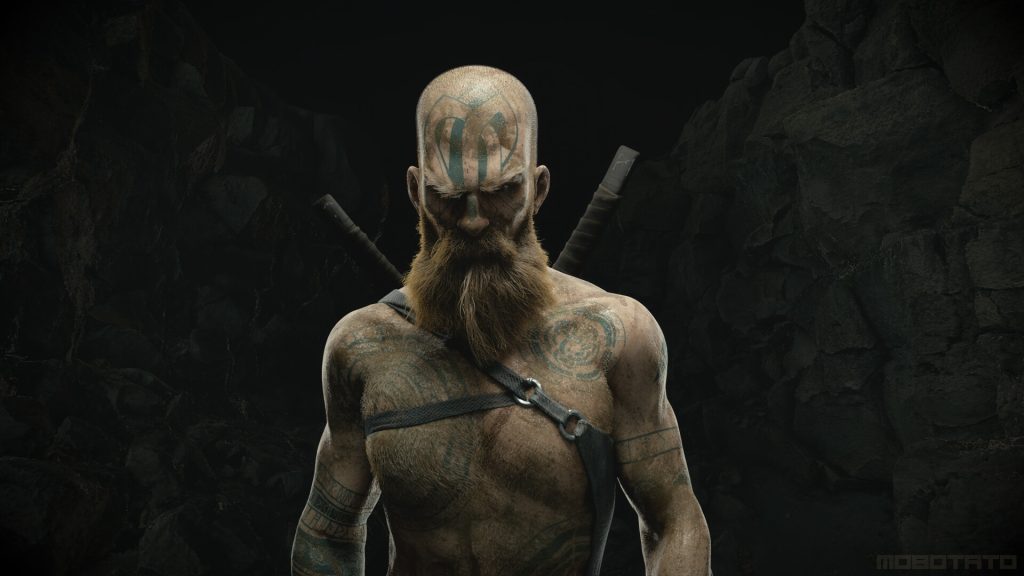
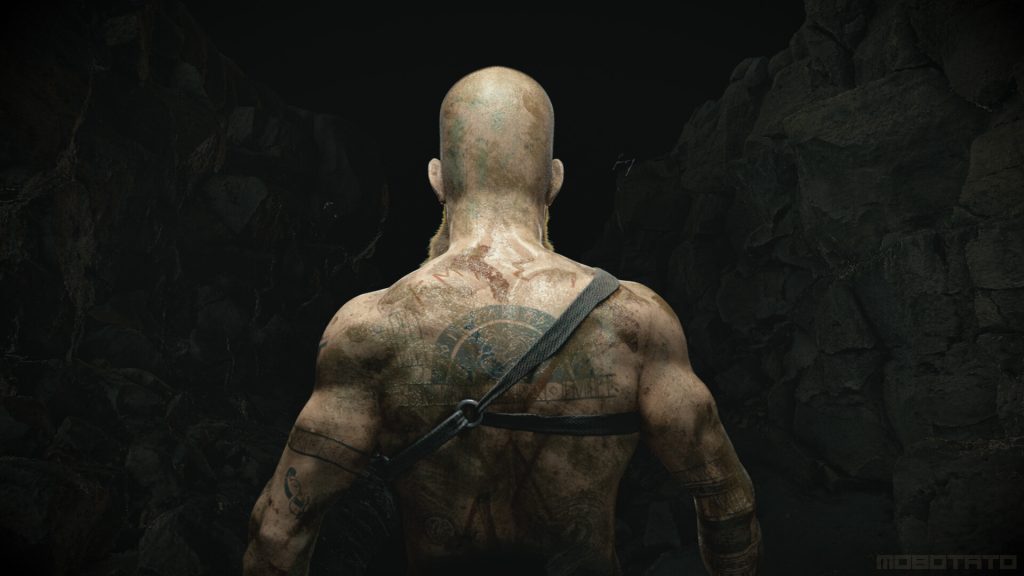
This was a bit of a funny one where I had been sharing a lot of my personal work on social media and was building a community (of sorts) around my work. Out of the blue, I was messaged by a follower who appreciated the stuff I was doing and explained how they were involved in a new initiative that focused on bringing art works to public digital screens rather than the usual swathe of billboard advertising. Not really realising the extent of what they were trying to achieve, I kind of blindly agreed to submit a loop of my work (with minimal expectation on any kind of return). Next thing, I receive an incredible edit of my work lighting up Times Square that truly blew me away. It’s been a few years now, and the ArtCrush Team are still featuring my loops on billboards all around the world!
Do you make a clear distinction between your art practice and your day to day work? Do you split your days or are you just trying to cram everything in when you can? Is the creative process the same?
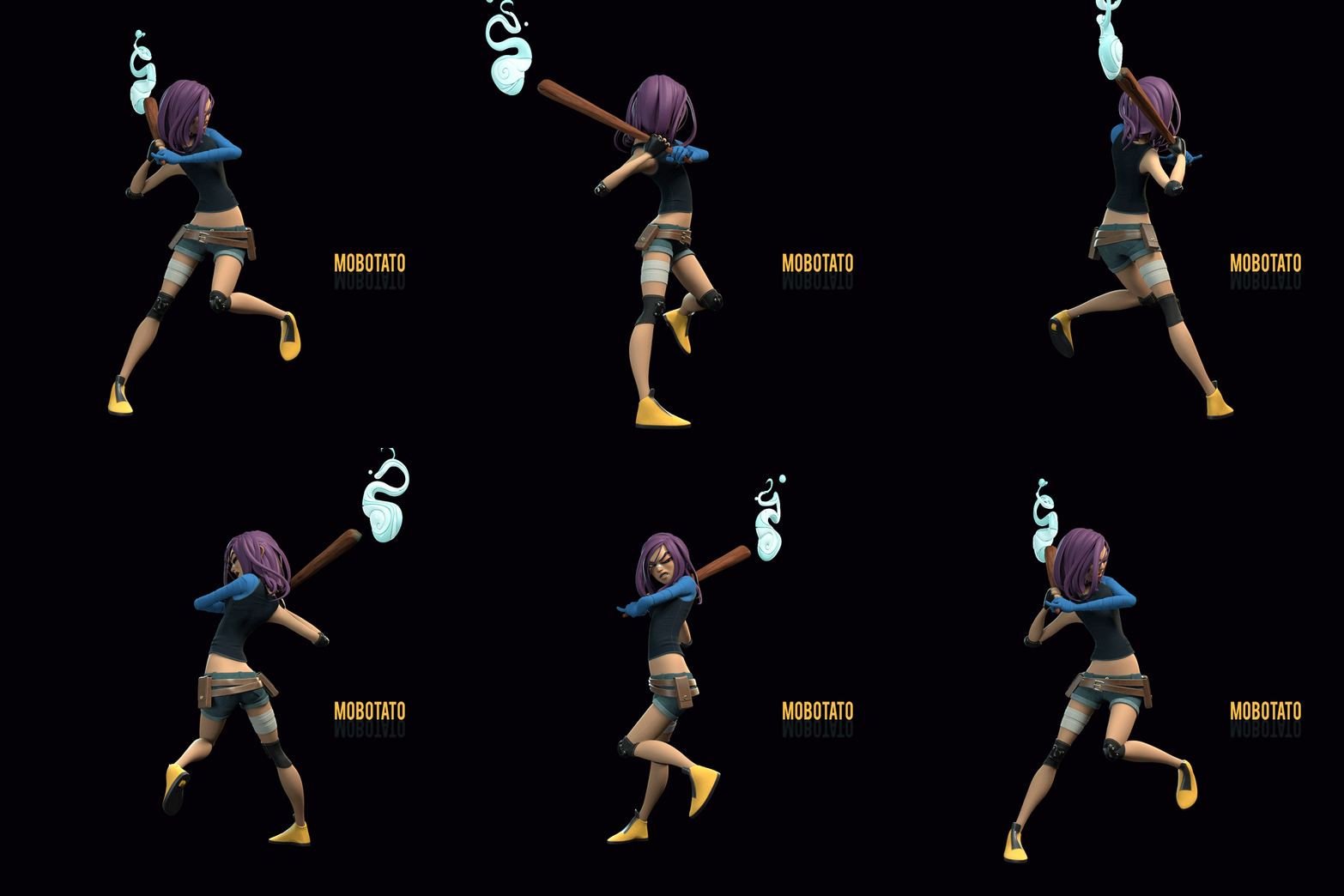
I find the creative itch is always there, and it is rarely scratched by a client’s brief. Having said that, I always try and bring out the best in a sequence, no matter how dry it may seem. Personal work is the palette cleanser – space to experiment with new ideas, styles, and tech without anyone looking over my shoulder.
A client’s brief generally begins with a vague storyboard, so you’re (mostly) always working within some kind of restraint (subject matter, brand guidelines, time length, etc). My personal work, however, starts out a lot looser than that. It might begin with a character or an environment (or even just a colour scheme) and I work backwards from there to flesh out an idea. I find that a story/style will evolve as I progress and almost always ends up being much different than I originally imagined (sometimes for better or worse!).
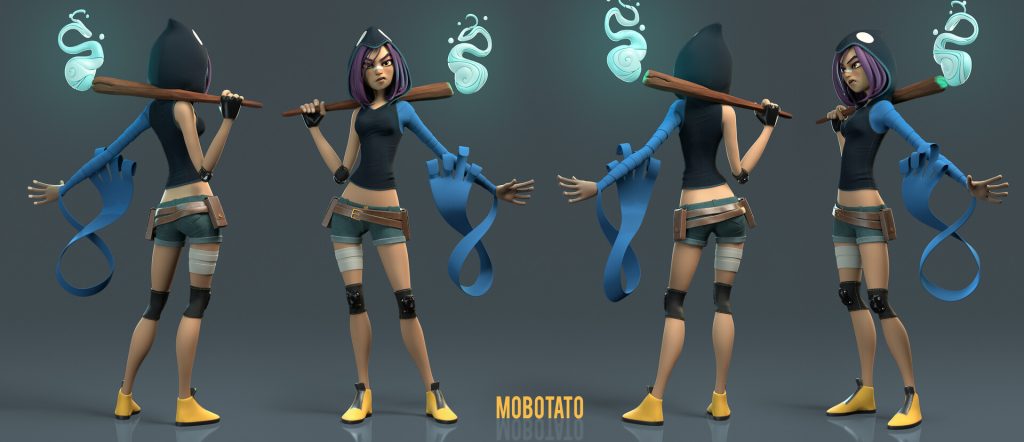
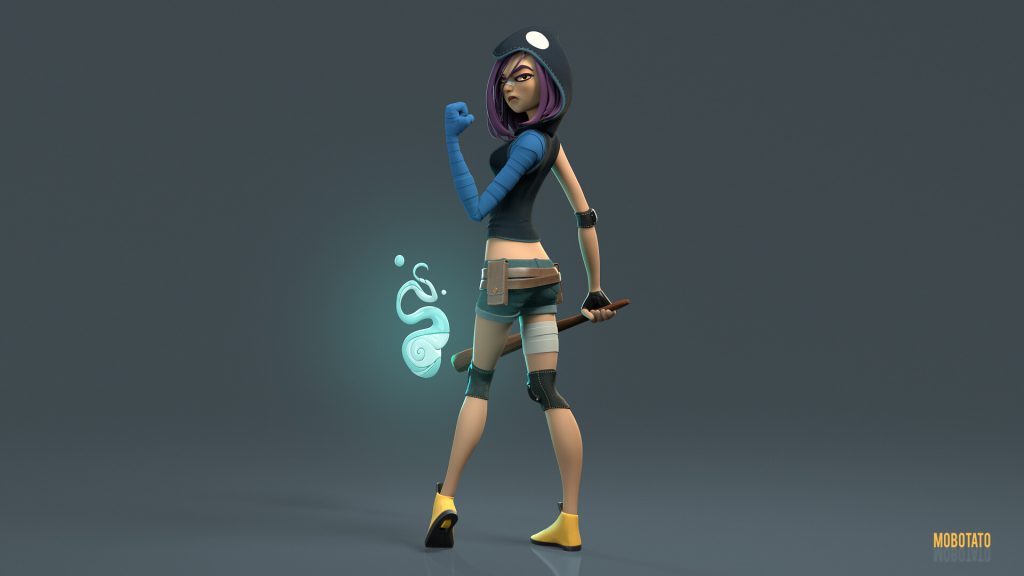
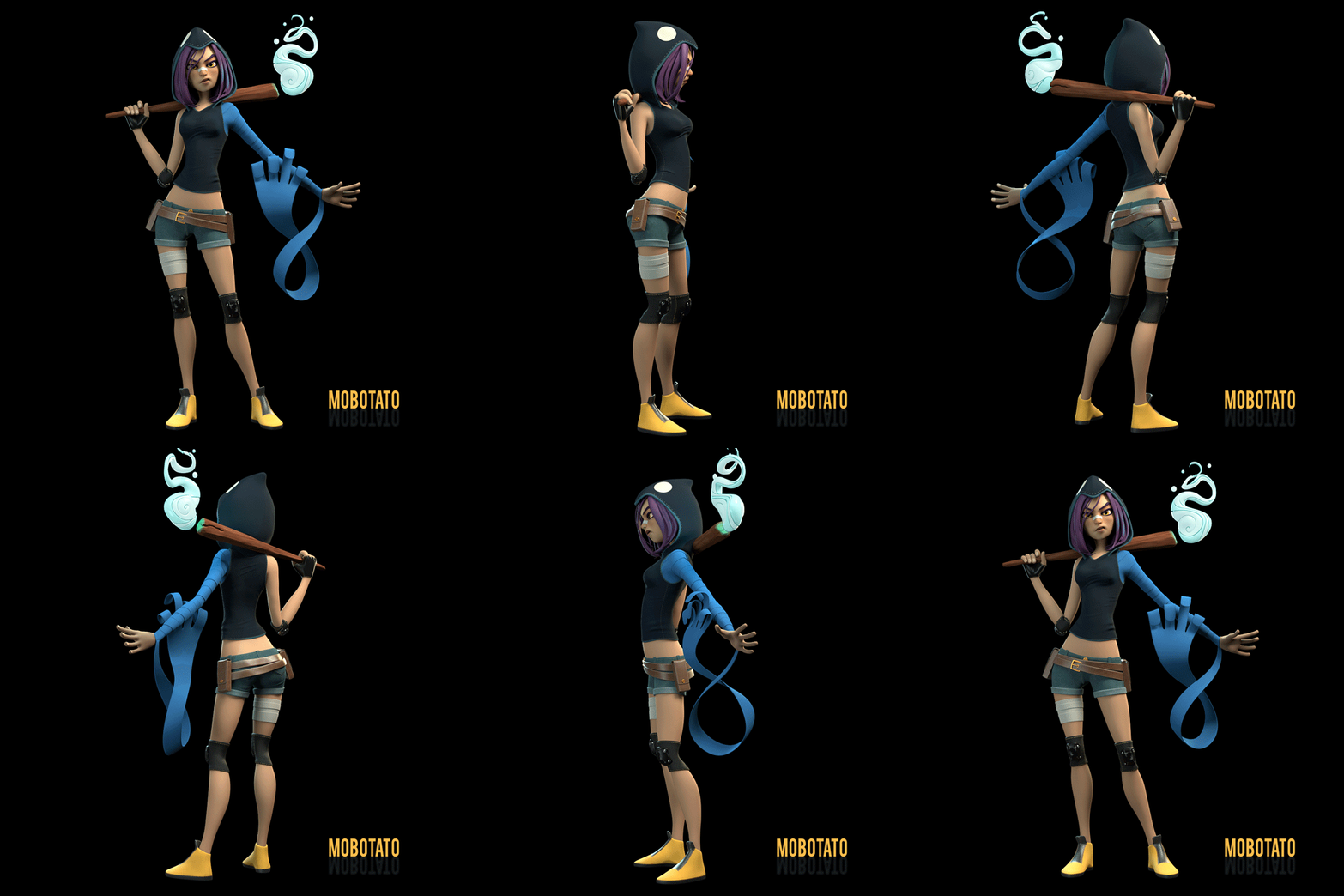
Does your art influence your day to day work or is there a friction there about wanting/needing to spend more time on one or the other?
Sometimes you get in such a flow-state with a new personal project, it feels like it consumes you until you can get it in a place where you can call it done. Of course, this can flow into your day job where you wish you were able to just work on your own stuff continuously, and this can be incredibly frustrating. I do appreciate that being forced to step away from your own work for a bit can be a good thing though. It gives ideas time to marinate, technical problems time to solve themselves in the background, and the final piece a chance to look better than it would have if you’d just head-butted it for 16 hours straight.
Is there a notable project you’re especially proud of?
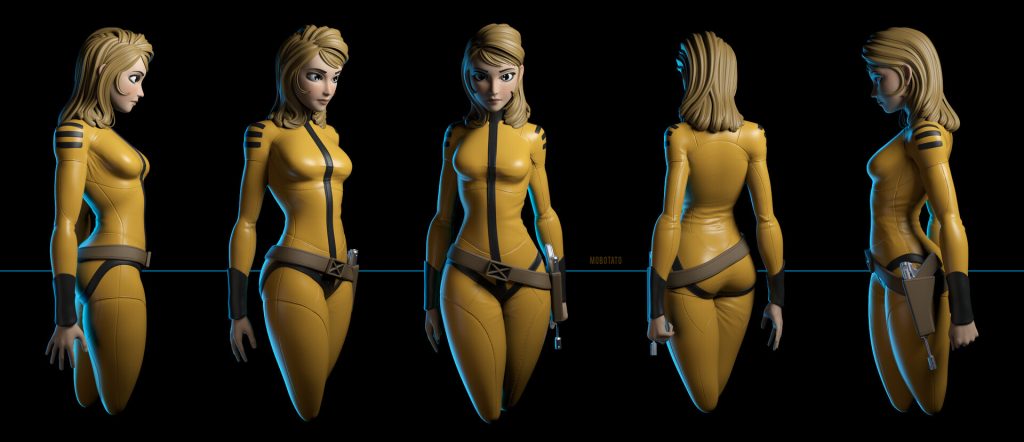
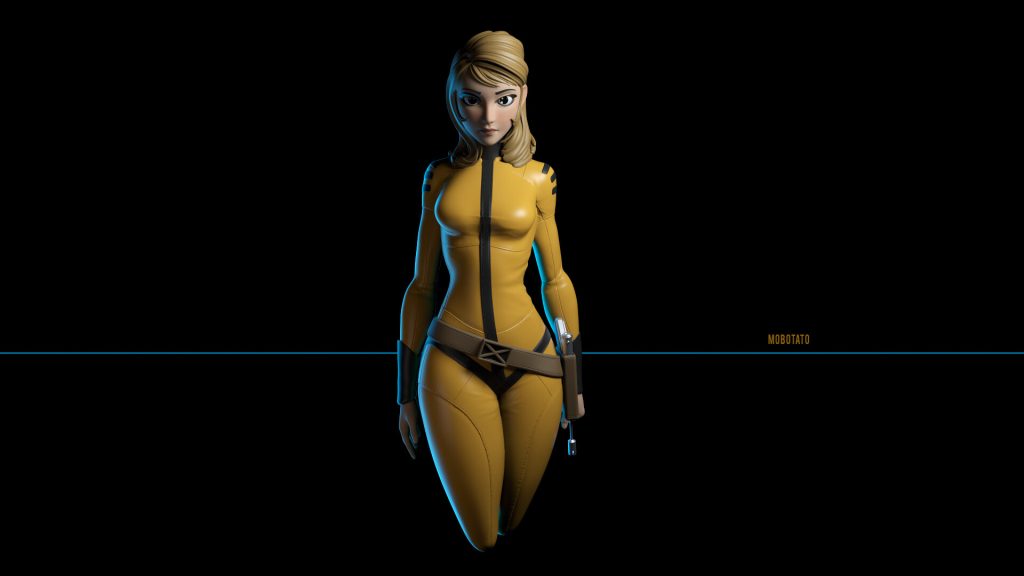
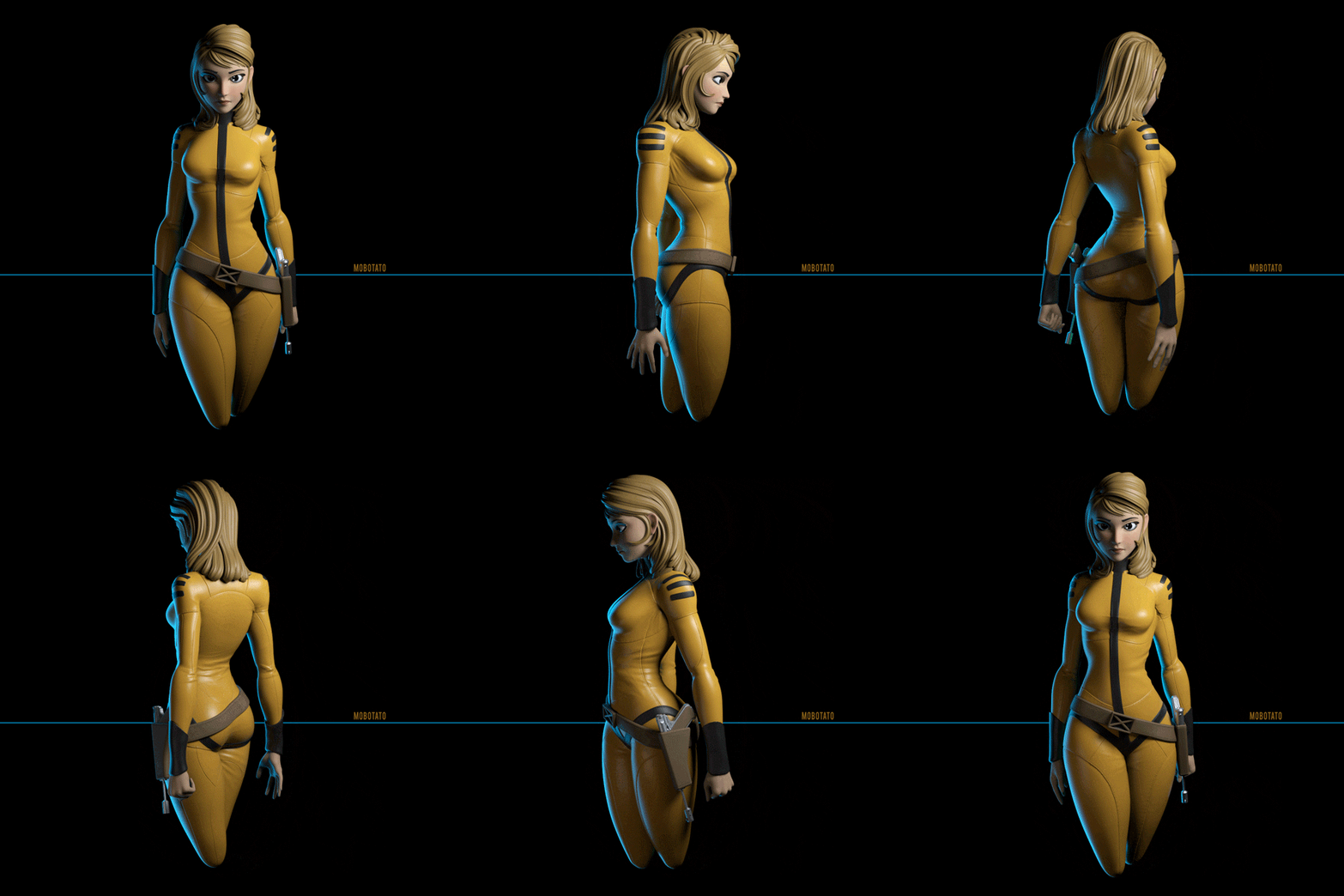
I love looking back at old projects and being able to pin-point a break-through moment where the puzzle pieces began to fit together. A notable piece was a personal project during my pursuit of learning Unreal.
One of my favourite games from when I was younger was Final Fight. Even though this sequence was from 7 years ago now, I managed to bring together all the weapons in my arsenal (environment design, character sculpting, animation, UI design, etc) and put together an homage to the videogame classic.
It was featured by several platforms and garnered plenty of positive feedback. I learnt so much during this ~2 month long project, and still think it holds up today 🙂
https://www.artstation.com/artwork/YaqN5w
Are you still friends with M.C. Hammer?
Ha! Unfortunately I can’t call him a ‘friend’ BUT I was at my local fish and chip shop on a Friday night waiting for my order when my phone started blowing up. Turns out the ol’ ‘Dancing Machine’ had kindly retweeted one of my pieces. Ticked off a life goal I didn’t even know I had!
Are there any tools or workflows you swear by to keep projects moving smoothly?
I try and use a number of tools in my projects to keep up to date with latest releases and best methods for achieving certain goals. Some of my go-tos include zBrush (for character sculpting), Maya & Redshift (for modelling, animation, rendering, etc) and After Effects for the final compositing and output. I also use a lot of Unreal (the real time rendering is on par with traditional rendering methods these days!).
AI is the massive elephant in the room (at the moment) and while I’m not keen on using AI as an end-to-end solution, I do find it’s brilliant for knocking out utility scripts or unblocking technical roadblocks that would otherwise eat creative hours.
There’s also the eternal backlog of software I’m dabbling with. Right now the main suspects are Blender and Rive. The list never shortens – modern motion design expects you to be a one-person orchestra.
How do you stay motivated to keep learning, growing & experimenting as your career progresses?
Curiosity is the only reliable fuel. I still watch tutorials and seminars from artists I admire, but I’ve also learned that time away from the screen is just as valuable.
I saw a quote that other day that really resonated – something along the lines of “Humans were designed to create, that’s why you get depressed when all you do is consume.” Some of my best ideas appear when I’m not thinking of much at all.
And some days you’re just not feeling it (or life has other plans). Best to put the tools down, deal with whatever needs dealing with, then climb back on the horse with a clearer head.
Are there any creative networks, spaces, or communities that have been especially welcoming or inspiring?
Years of freelancing (and working in studios full of freelancers) naturally builds a network. Those relationships tend to outlast the projects, which is always a nice surprise when familiar faces reappear.
I’ve also grown a small but loyal following around the personal work I post on X and Instagram. Algorithms can be cruel, but the encouragement from that group is genuine and useful.
ArtStation is still the platform that inspires me most – especially the behind-the-scenes breakdowns of how the best work actually gets made.
Do you find yourself gravitating toward particular types of work? (explainers, ads etc)
Title sequences (whenever I can get them). Condensing the entire essence of a film or series into a couple of minutes is a beautiful constraint. When it works, it really works.
What’s been one of the hardest lessons to learn in your creative career so far?
I came into the industry during a time when you could specialise in a certain area and thrive. As access to hardware and software became cheaper/easier, the expectations of what you were considered to be able to do became larger. Now, with the wave of AI moving at an insane pace, (and claiming you can do stuff with a simple prompt!), I find it’s more difficult than ever to not get overwhelmed by the weekly leaps in progress.
And herein lies my biggest lesson. When it feels like you’re falling behind, step back. Trust the skillset you’ve already built, trust your ability to bring a brief to life, and stay curious. Everything else is noise.
What advice would you give to other young motion designers in New Zealand who are thinking about taking their work overseas?
Admittedly, it’s a bit of a strange time in our industry. A cooling economy, shifting emphasis on traditional methods, and news of large studios closing left, right, and centre is not exactly a red carpet.
The upside is the barrier to being seen has never been lower. (Gone are the days where I would hound local studios with my VHS reel – ha!) These days, a few clicks and your work is in front of the entire planet. It can feel like shouting into the void, but it only takes one person recognising what you can do to change everything.