2026 Hot New Things: Nikita Bellew, Media Design School
Design Assembly profiles a selection of the top graduates from the best Art and Design Schools in Aotearoa New Zealand. We welcome these talented emerging professionals to our industry, learn about their passions, final projects, developing creative confidence and ambitions for the future.
Today we speak with Nikita Bellew who recently graduated from the Bachelor of Media Design at Media Design School. Find out more about tertiary study options across Aotearoa New Zealand on our Design Schools page.
Tell us a bit about yourself
Hi, I’m Nikita Bellew, a designer based in Ōtautahi / Christchurch who’s always been fascinated by how people communicate and connect. I grew up in a close-knit family where storytelling was part of everyday life through conversation, food, and shared experience. That background shaped how I think about design. I’m drawn to work that feels honest and human, where research and emotion come together to create something meaningful.
Film photography has also influenced my practice; it taught me to slow down, be deliberate, and trust that the best work comes from patience. Right now I’m finishing my Bachelor of Media Design, and my practice spans graphic design, data visualisation, and narrative. I’m most interested in projects that have depth and make people think.
What was the focus of your graduating project?
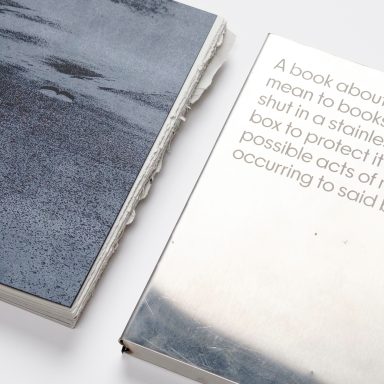
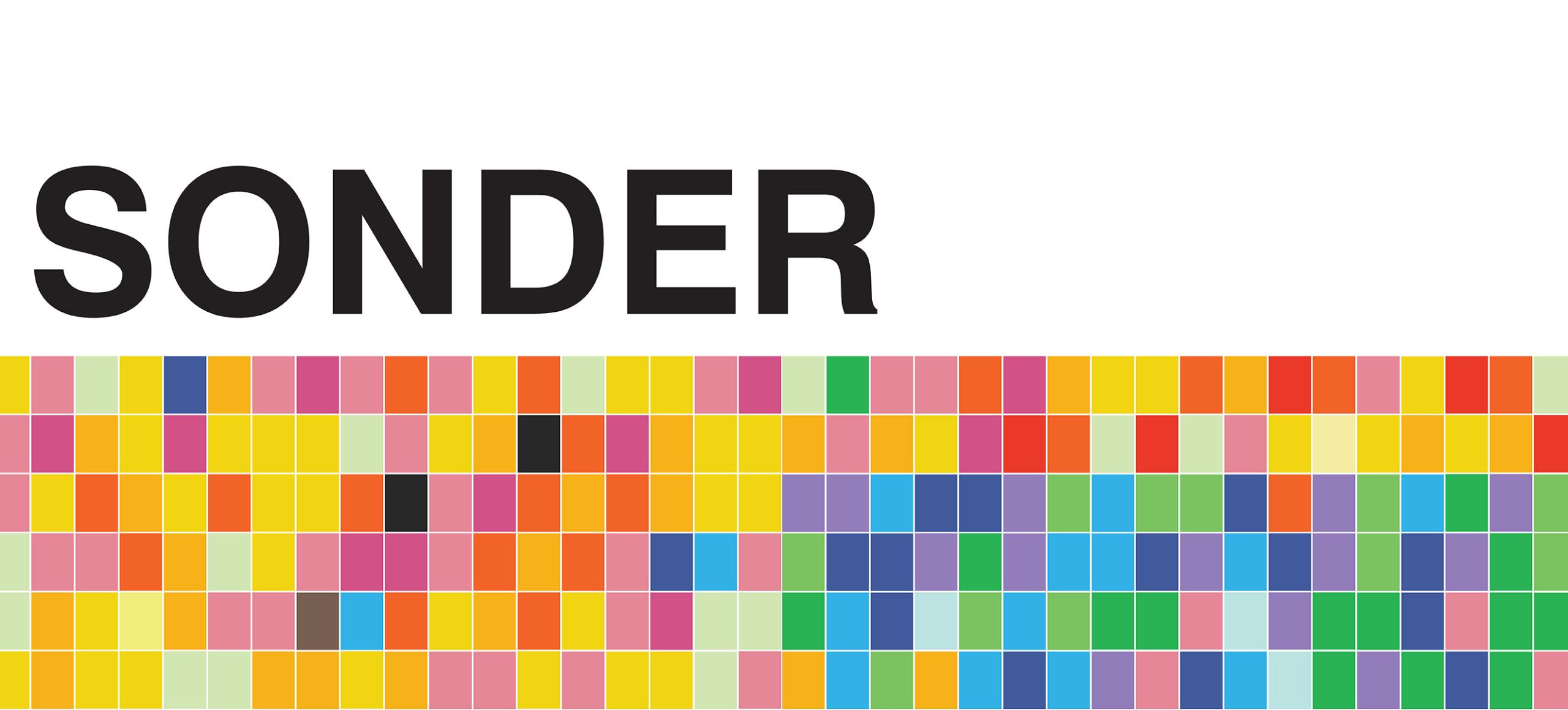
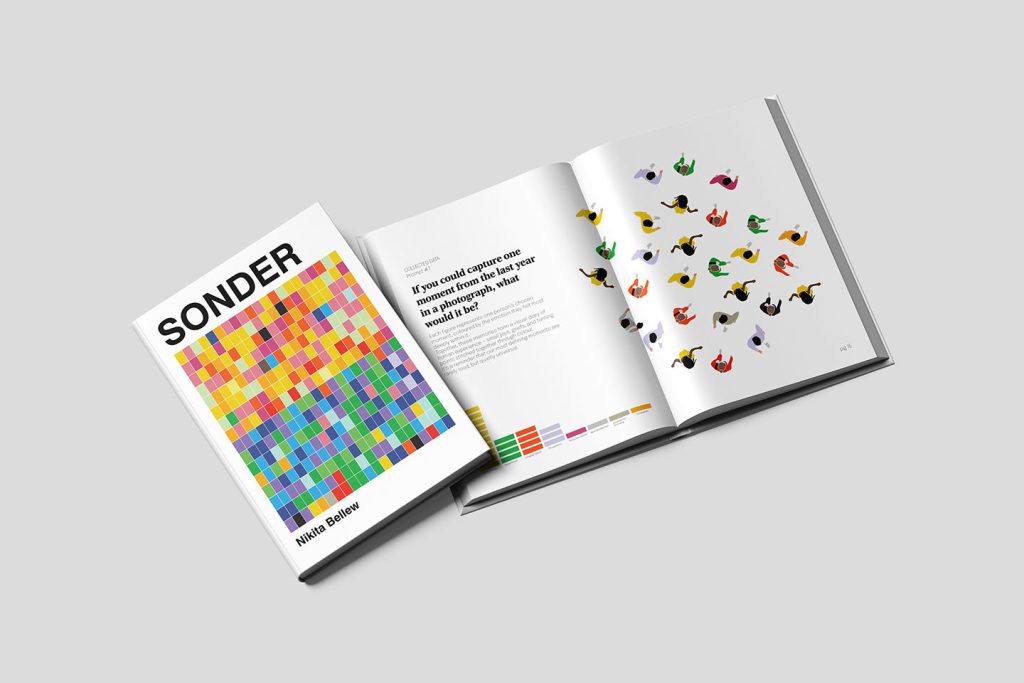
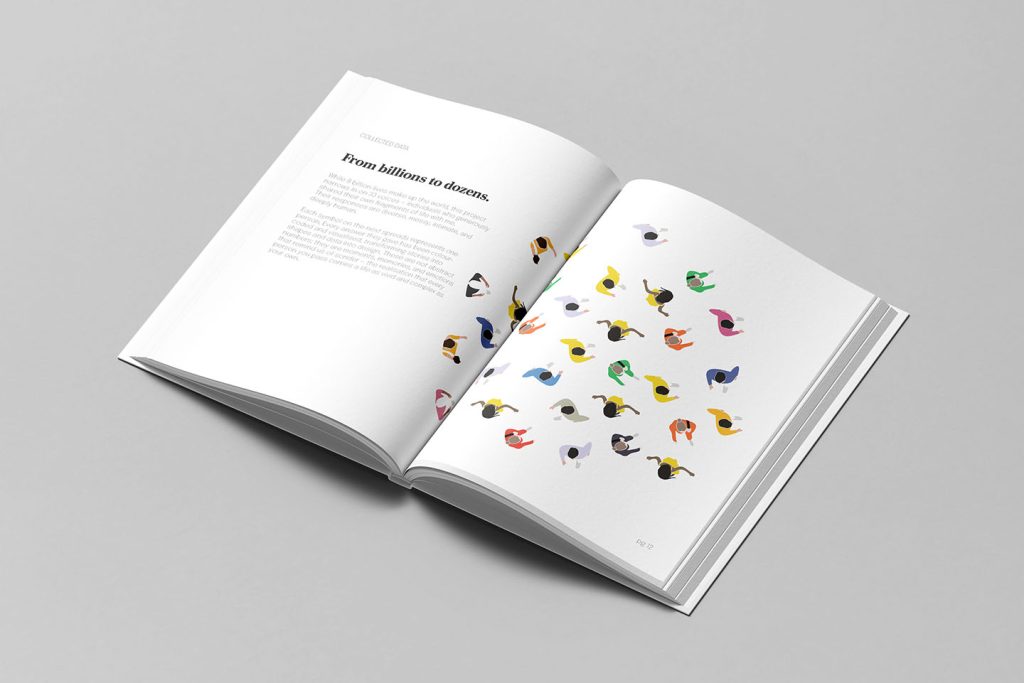
My final project, SONDER, explores the realisation that everyone around you has a life as vivid and complex as your own. Through this project, I examine how design can rehumanise data – transforming statistics into stories and anonymity into connection.
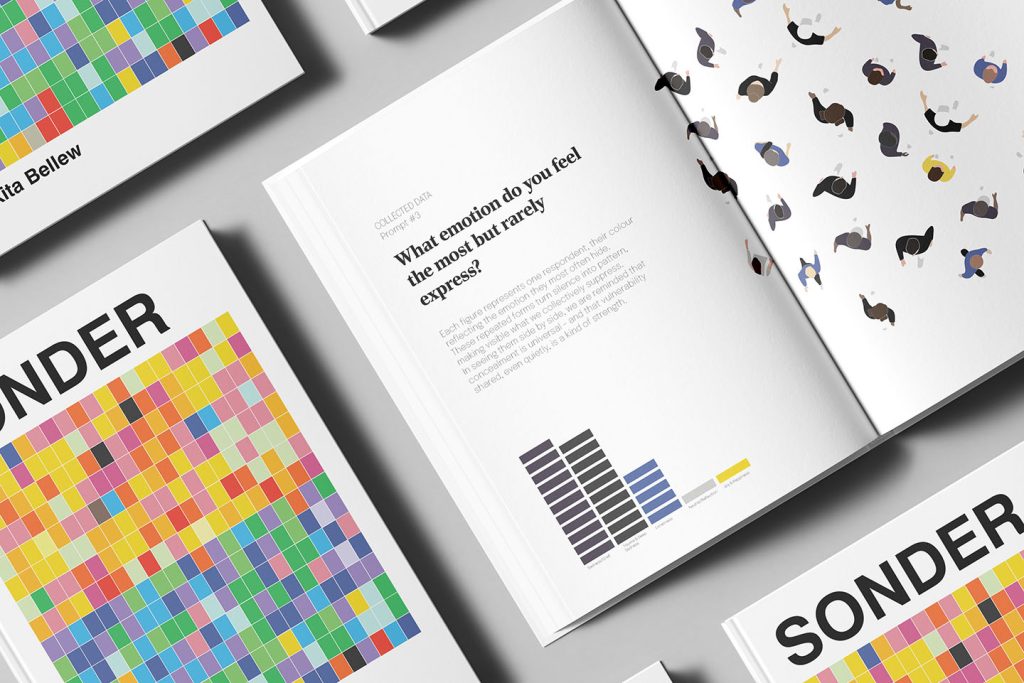
It’s a data-driven publication that visualises thirty-three people’s responses to deeply human prompts, memories, unspoken emotions, hidden truths. Each response was colour-coded by emotion, forming a visual language of shared experience that turns individual moments into collective patterns. The project sits at the intersection of empathy, storytelling, and information design, both analytical and emotional.
What did you choose to study Bachelor of Media Design at Media Design School?
I chose Media Design School because it sits at the meeting point between creativity and critical thinking. The programme encouraged exploration across visual communication, UX, motion, and theory, which meant I could build a practice that feels interdisciplinary and human-centered. I was drawn to the emphasis on design thinking and research-led outcomes, ideas always grounded in a real-world context rather than just aesthetics. The open, collaborative studio culture taught me to see design as more than visual craft it’s a system for creating empathy and impact.
What did you enjoy most about the programme?
What I loved most was the balance between freedom and structure. The programme gave me space to explore ideas that mattered to me and encouraged personal expression, while the set briefs introduced new challenges that pushed me beyond my comfort zone.
I loved being encouraged to try new things, experiment with form, and develop my own voice as a designer. I discovered that my strongest work emerged when I slowed down and thought deeply about people, what they feel, what they hide, what connects them. Through projects like SONDER, I learned to translate research and emotion into structured visual systems. One of the most exciting discoveries was realising that empathy can be designed that layout, colour, and rhythm can evoke a genuine emotional response.
What was your biggest challenge while studying?
My biggest challenge was learning to trust restraint. Early on, I wanted to fill every page, every layout, every silence. But through critique and reflection, I realised that white space, pacing, and quiet moments are as powerful as image or type.
Learning to pause within my process mirrored the concept behind SONDER slowing down enough to really see. It took time to find that balance between research, emotion, and minimalism, but that tension has ultimately shaped my entire visual language.
Who (or what) inspired you to pick design as a career path?
I’ve always been drawn to people who use creativity as a form of connection whether through film, documentaries, or photography. Growing up, I was fascinated by how visual moments could communicate things words couldn’t. I remember watching documentaries and being struck by how a single image could reveal someone’s interior world.
Design felt like a natural way to give form to thought and turn observation into creation. The first time I realised a piece of design could make someone pause and reflect, I knew this was what I wanted to do.
Who is your favourite designer?
I’m inspired by Jessica Walsh and Giorgia Lupi. Walsh’s work captivates me for its boldness, emotional honesty, and ability to merge concept with visual drama she reminds me that design can be both deeply personal and culturally relevant. Lupi, on the other hand, approaches creativity through ‘data humanism’, transforming numbers into stories that reveal the humanity behind information.
Both designers balance intellect and emotion in their work, using design as a language for empathy and storytelling. They’ve shaped how I think about my own practice as something that should make ‘people feel’ as much as it makes them ‘see’.
What is next for you?
I want to work with brands and organisations that value conceptual thinking and authentic communication. I’m interested in editorial, brand, and cultural design spaces where I can create work that connects with people meaningfully.
Long-term, I’d love to expand SONDER into a public installation or digital experience something participatory that continues to grow. My goal is to create design that bridges commercial needs with human understanding work that helps people and brands communicate in ways that feel genuine and make an impact.
Where can we see more of your work?
Website – https://www.sixfifteen.design
Instagram – @sixfifteen.design